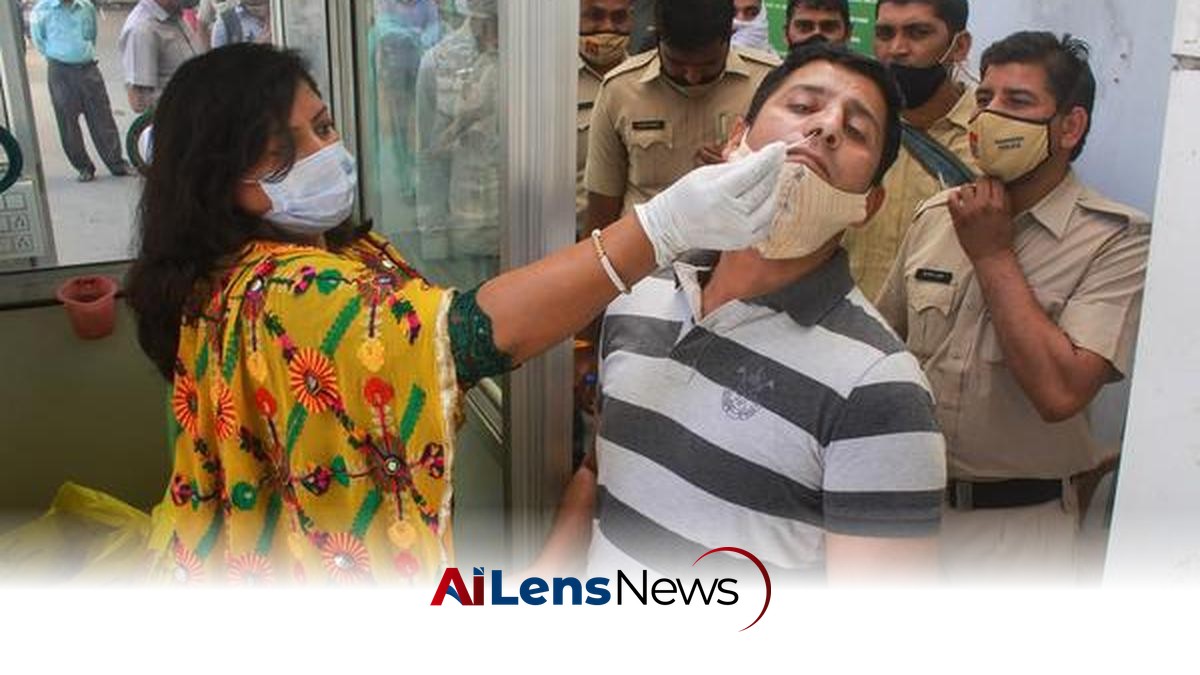


In response to rising COVID-19 cases, Haryana has implemented a night curfew from 9 p.m. to 5 a.m., restricting non-essential movement.
Leh, India Apr 12, 2021 ALN: Amid the surge in COVID-19 cases, the Haryana government has taken decisive action by announcing a night curfew that will be enforced from 9 p.m. to 5 a.m., effective from Monday night. This measure is part of a broader strategy to mitigate the spread of the virus, which has seen a concerning increase in cases across the state. The decision reflects the ongoing challenges faced by public health systems as they strive to manage the pandemic effectively while also considering the socio-economic implications of such restrictions.
The government's announcement comes in response to rising infection rates, which have prompted health officials to reconsider the existing public health measures. The State Disaster Management Authority has issued a clear directive stating that movement of individuals for all non-essential activities during the specified hours is prohibited. This decision is indicative of the heightened vigilance and proactive approach being adopted by the state government in light of the evolving pandemic situation.
The order explicitly states, “No person shall leave their homes or shall move on foot or by vehicle or travel or stand or roam around any road or public places during the said hours.” This stringent approach aims to limit the potential for community transmission of the virus during nighttime hours when social activities tend to increase. Nighttime gatherings, which can often lead to increased transmission, are a significant concern for health officials, making this curfew a critical component of the state's response strategy.
Effective from 9 p.m. on April 12, the night curfew will remain in place until further notice, indicating that the situation will be monitored closely, and adjustments may be made based on the evolving public health landscape. The government has emphasized that any person violating these directives will face penalties under the provisions of Section 51 to 60 of the Disaster Management Act, 2005. Additionally, legal action may be pursued under Section 188 of the Indian Penal Code (IPC) and other applicable laws, underscoring the seriousness with which the authorities are treating compliance with these measures.
As the pandemic has progressed, Haryana, like many other regions, has experienced fluctuations in COVID-19 case numbers. The recent spike has raised alarms among public health officials, prompting the government to implement stricter measures aimed at curtailing the virus's spread. The decision to impose a night curfew is not merely a reactionary measure but part of a comprehensive strategy that includes encouraging social distancing and minimizing non-essential movement. This multifaceted approach is crucial in responding to the dynamic nature of the pandemic.
The order also allows for certain exemptions, acknowledging the need for essential services to continue operating during the curfew hours. Officials involved in maintaining law and order, emergency services, and municipal functions are exempt from the restrictions. This includes Executive Magistrates, police personnel, military personnel in uniform, healthcare workers, and those involved in electricity and fire services. Additionally, accredited media personnel are permitted to operate during the curfew hours, which is crucial for maintaining the flow of information to the public during a time of crisis.
Furthermore, individuals who possess a restricted movement curfew pass issued by authorized officers will also be exempted from the curfew. This provision is important for those who may need to travel for legitimate reasons, such as medical emergencies or other essential activities. The government’s recognition of these exemptions reflects an understanding of the complexities involved in enforcing such restrictions while ensuring that daily life can continue for those with urgent needs.
The government has made it clear that there will be no restrictions on the inter- and intra-state movement of essential and non-essential goods. This decision is vital for ensuring that supply chains remain intact and that the economy can continue to function, even under the constraints of a curfew. All vehicles and persons in bona fide transit will be allowed to pass, albeit with verification of their point of origin and destination, thereby balancing public health concerns with economic realities. This aspect of the order is particularly important in a region where economic activities are closely tied to the movement of goods and services.
The implications of the night curfew extend beyond immediate public health measures. By limiting movement during the night, the government aims to reduce gatherings and social interactions that could contribute to the spread of COVID-19. This strategy aligns with similar measures taken by other states and countries facing increased case numbers, reflecting a global trend toward stricter control measures in response to the pandemic. The effectiveness of such measures, however, often hinges on public compliance and the willingness of individuals to adhere to the guidelines set forth by health authorities.
As communities navigate the challenges posed by COVID-19, the enforcement of a night curfew in Haryana serves as a reminder of the ongoing battle against the virus. The effectiveness of such measures will depend on public compliance and the ability of health authorities to monitor and respond to the situation as it develops. The government’s proactive stance in implementing these restrictions highlights the importance of collective responsibility in combating the pandemic. As public health officials continue to assess the situation, the need for clear communication and public education regarding the importance of these measures cannot be overstated.
Looking ahead, the Haryana government will likely continue to assess the situation closely. The potential for further restrictions or adjustments to existing measures remains, depending on how the case numbers evolve in the coming days and weeks. Public health officials and the government will need to balance the urgency of controlling the virus's spread with the need to support economic activities and maintain essential services. This balancing act is particularly challenging in the context of the ongoing pandemic, where the health of the population must be prioritized while also considering the economic implications of prolonged restrictions.
In conclusion, the night curfew imposed by the Haryana government is a significant step aimed at curbing the recent surge in COVID-19 cases. By restricting movement during nighttime hours, the government hopes to reduce transmission rates and protect public health. As the situation unfolds, ongoing communication and collaboration between the government, health authorities, and the public will be crucial in navigating the challenges posed by the pandemic. The success of the night curfew and other public health measures will ultimately depend on the collective efforts of the community to adhere to guidelines and support one another during this unprecedented time.
To learn more about the latest developments in Public Health, stay updated with our exclusive reports and analyses on AiLensNews.

