

As COVID-19 cases rise sharply in southern districts, authorities are intensifying enforcement against protocol violations to curb the spread.
Leh, India Apr 12, 2021 ALN: As the COVID-19 pandemic continues to evolve, certain regions are experiencing significant surges in cases, particularly in the southern districts of India. The recent spike in infections has prompted local authorities to implement stricter measures aimed at curbing the spread of the virus. This situation has been exacerbated by a general disregard for health protocols, which were put in place by the state government to protect public health. The pandemic has already had a profound impact on healthcare systems, economies, and daily life across the globe, and the resurgence of cases in these districts is a troubling reminder of the ongoing threat posed by the virus.
Tirunelveli district has emerged as a focal point of this alarming trend, reporting 261 new COVID-19 cases between April 10 and 11 alone. This increase in cases has led to a rise in hospital admissions, creating concern among health officials and local government. In response to this worsening situation, Collector V. Vishnu has taken decisive action, calling on various departments, including police, revenue, public health, and local administration, to enforce compliance with COVID-19 regulations more rigorously. The collaboration of multiple government departments is crucial in managing such public health crises, as it allows for a more coordinated response that can address various aspects of the pandemic, from enforcement to healthcare provision.
The enforcement actions include penalties for individuals found violating health protocols, such as failing to wear masks or maintain physical distancing. One notable incident involved a leading textile showroom that temporarily closed its doors after three of its salesmen tested positive for the virus. This closure was accompanied by disinfection measures to ensure the safety of customers and staff. Such incidents reflect the unpredictable nature of the virus and the need for businesses to remain vigilant in their health practices to protect both employees and customers.
In addition to punitive measures, the district has also opened COVID-19 care centers at ten locations to provide support for those affected by the virus. These facilities are intended to help manage the increasing number of cases and ensure that individuals have access to necessary medical care. The establishment of care centers is a proactive step toward mitigating the impact of the virus, as it allows for the isolation and treatment of infected individuals, thereby reducing the likelihood of further transmission within the community.
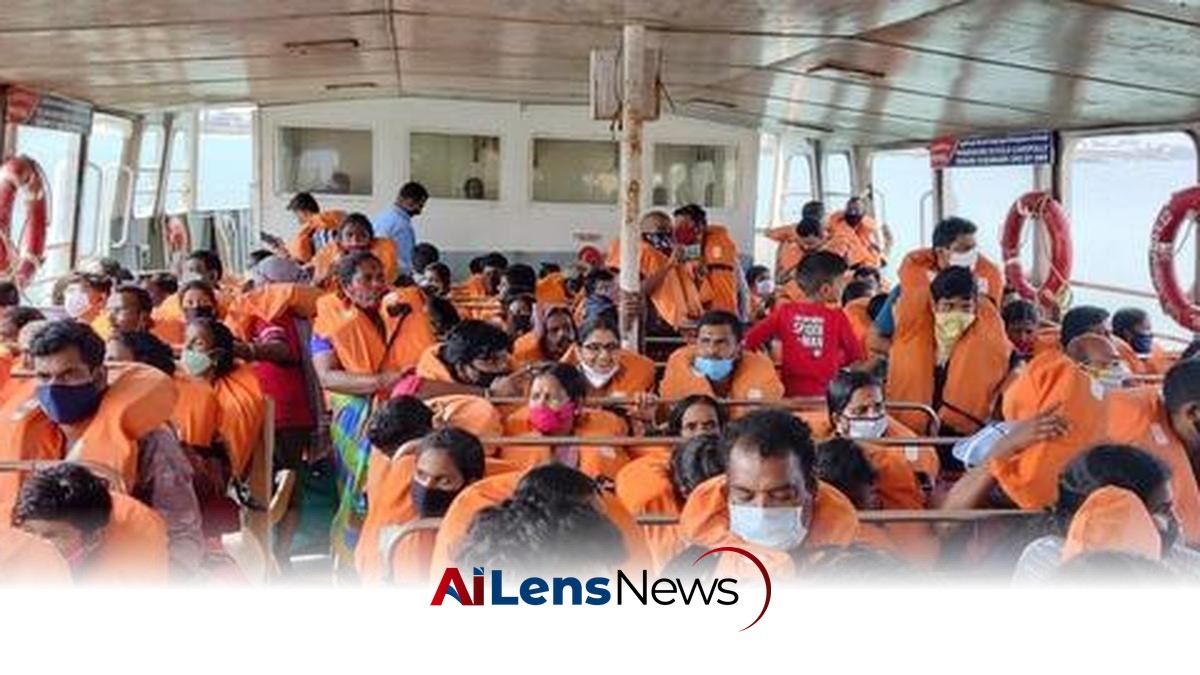
Meanwhile, Kanniyakumari district has faced its own challenges regarding tourist safety. Visitors arriving at the boat jetty to board ferries to the Vivekananda Rock Memorial were allowed to purchase tickets without undergoing temperature checks, as the personnel from Poompuhar Shipping Corporation were reportedly not equipped with thermal scanners. This oversight raises significant concerns about the safety of tourists and the effectiveness of health measures in place at popular sites. The tourism sector has been one of the hardest-hit industries during the pandemic, and ensuring the safety of visitors is paramount to restoring public confidence in travel and leisure activities.
Furthermore, the lack of sanitization measures for life jackets, which were provided to tourists in a disorganized manner, has drawn criticism. Visitors have expressed frustration over the apparent lack of enforcement of physical distancing protocols during the ferry rides, which could contribute to the spread of the virus in crowded conditions. P. Bala Ganesan, a visitor from Thoothukudi, highlighted these issues, noting that officials were not actively ensuring adherence to COVID-19 norms. The situation illustrates the delicate balance between promoting tourism and ensuring public health, as lapses in safety can lead to outbreaks that have far-reaching consequences.
In response to these concerns, photos depicting overcrowded boats were forwarded to Collector M. Aravind, who promptly issued warnings to Corporation staff regarding their responsibilities to uphold health regulations. Following this, Mr. Aravind convened a meeting with heads of educational institutions to discuss the current situation in the district and the importance of strict adherence to health protocols. Engaging educational institutions in the conversation about public health is vital, as schools and colleges play a significant role in shaping community behavior and attitudes toward health measures.
In a concerning development, former Colachel MLA Era. Bernard, aged 80, tested positive for COVID-19 and was subsequently admitted to a private hospital in Vadaserry. This incident underscores the virus's indiscriminate nature and its potential to affect individuals across various demographics, including public figures and those in leadership roles. The infection of a prominent local figure can have a ripple effect on public perception, highlighting the need for vigilance and adherence to health protocols among all community members, regardless of their status.
Local law enforcement has ramped up efforts to enforce compliance with health regulations, with Superintendent of Police S. Jayakumar reporting that 2,647 individuals were fined a total of ₹5,29,400 for not wearing masks on a single day. Additionally, fines amounting to ₹26,000 were imposed on 52 individuals for failing to maintain physical distancing. These measures are part of a broader strategy to encourage residents to take the pandemic seriously and adhere to safety guidelines. The implementation of fines serves not only as a deterrent but also as a reminder of the collective responsibility shared by the community in combating the virus.
Despite these enforcement efforts, public transportation remains a challenge, with many buses reported to be overcrowded. Drivers and conductors from the Tamil Nadu State Transport Corporation (TNSTC) have voiced their concerns, suggesting that the government should operate additional buses to reduce passenger density and improve safety on public transport. In response to these concerns, TNSTC sources indicated that 40 additional buses were put into operation on busy routes to accommodate the growing number of commuters. Addressing overcrowding in public transport is critical, as it poses a significant risk for virus transmission, particularly in enclosed spaces where physical distancing is difficult to maintain.
Collector K. Senthil Raj has also made an appeal to the public to refrain from gathering for celebrations related to the birth anniversary of martyr Sundaralingam. He has expressed his intention to pay floral tributes at the memorial on Friday while urging citizens to prioritize health and safety over public gatherings. This appeal reflects the ongoing tension between cultural practices and public health imperatives, as many communities grapple with the desire to honor traditions while navigating the realities of a pandemic.
In Tenkasi, the enforcement of health protocols has also been stringent, with authorities imposing fines on individuals for not wearing masks. On a single Sunday, 690 individuals were fined a total of ₹1,38,600, while ₹1,52,200 was collected from 728 individuals on the preceding Saturday. These figures reflect the ongoing efforts of local authorities to instill a sense of responsibility among citizens regarding public health measures. The consistent enforcement of health protocols is crucial in maintaining public awareness and compliance, especially in areas experiencing a surge in cases.
The implications of these developments are significant, as they highlight the ongoing challenges faced by local governments in managing public health during the pandemic. The rise in COVID-19 cases, coupled with non-compliance by the public, underscores the need for continued vigilance and enforcement of health protocols. As the situation evolves, it will be crucial for authorities to adapt their strategies to effectively combat the spread of the virus while balancing the need for public compliance and community engagement. The experiences of southern districts in India serve as a microcosm of the broader global struggle against COVID-19, illustrating the complexities of public health management in a time of crisis.
To learn more about the latest developments in Public Health, stay updated with our exclusive reports and analyses on AiLensNews.

