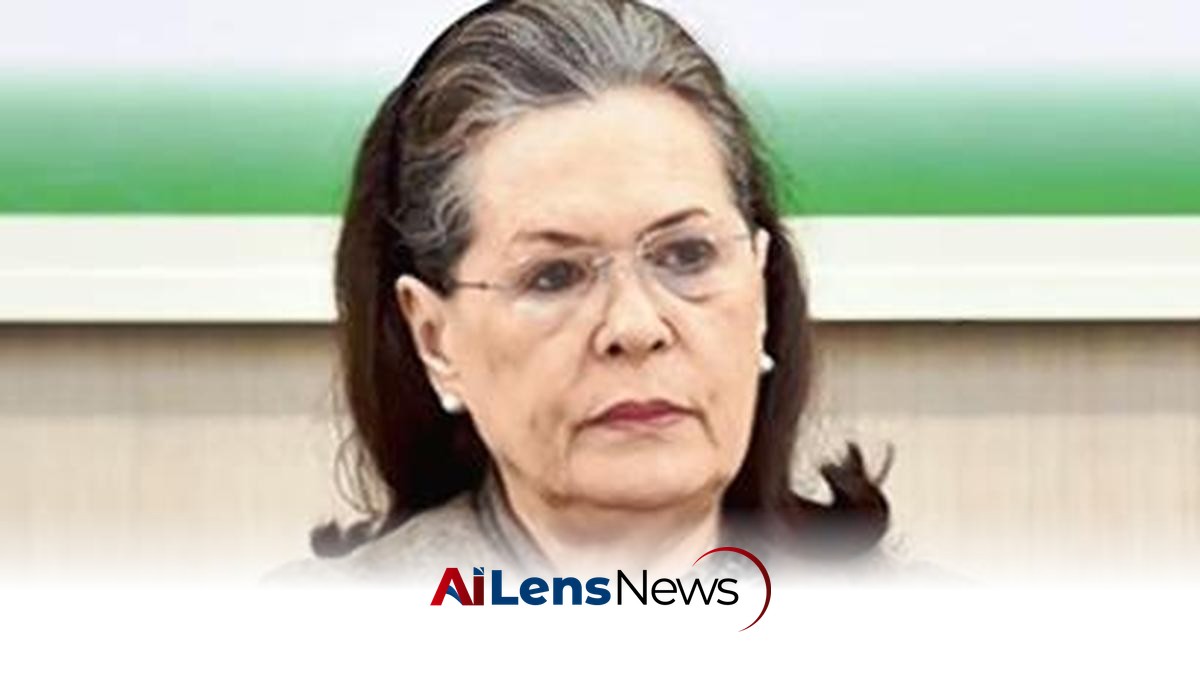


Congress leader Sonia Gandhi has called on Prime Minister Modi to expedite emergency vaccine approvals and expand vaccination based on need, not age.
Port Blair, India Apr 12, 2021 ALN: In a significant move reflecting the ongoing challenges posed by the COVID-19 pandemic in India, Congress president Sonia Gandhi has urged Prime Minister Narendra Modi to take decisive actions regarding vaccine access. On Monday, she called for the emergency approval of all vaccine candidates and proposed a shift in vaccination strategy to prioritize individuals based on their need and exposure to the virus, rather than strictly adhering to age-based criteria. This appeal underscores growing concerns among state governments about the availability and distribution of vaccines amid the continuing public health crisis.
Gandhi's letter to the Prime Minister follows her discussions with Chief Ministers from Congress-ruled states, where the urgent need for a more inclusive vaccination strategy was a focal point. She highlighted that approximately 30 crore individuals in India are living with co-morbidities such as hypertension and diabetes, which places them at a higher risk of severe illness from COVID-19. By emphasizing the necessity for a timeline to vaccinate these vulnerable groups, Gandhi is advocating for a more targeted approach that addresses the specific health needs of the population.
The COVID-19 pandemic has presented numerous challenges to healthcare systems around the world, and India has been no exception. The country, with its vast population, has faced significant hurdles in managing vaccine distribution and ensuring equitable access for all citizens. The emergence of new variants of the virus has further complicated the situation, necessitating a robust and adaptable vaccination strategy. The urgency of this appeal by Gandhi reflects not just the immediate health concerns but also the broader implications for public confidence in governmental actions during a crisis.
In a separate press conference, Congress party spokesperson Ajoy Kumar criticized the government's handling of the pandemic response. He pointed out that while Prime Minister Modi and his ministers were expected to establish a 'war room' to combat the second wave of COVID-19, their focus appeared to be diverted to the political situation in West Bengal, where elections were underway. This critique reflects a broader sentiment among opposition parties that the government is not prioritizing public health effectively during this critical time. The juxtaposition of political activities against urgent health measures raises questions about the government's commitment to addressing the pandemic comprehensively.
On the same day that the Indian government approved the Russian vaccine, Sputnik V, the Congress party launched an online campaign advocating for "vaccination for all." This campaign aims to raise awareness about the need for equitable access to vaccines across the country. Gandhi emphasized the importance of ramping up domestic production capacity and allowing emergency use authorization for all vaccine candidates that have met the necessary clearances. This call for increased production capacity is particularly pertinent given the global competition for vaccine supplies and the challenges faced by many countries, including India, in securing adequate doses for their populations.
Moreover, Gandhi pointed out that the allocation of vaccines to states should be based on the prevalence of COVID-19 and projected infection rates in those areas. Some states have reported that their vaccine supplies are dwindling, with stocks expected to last only three to five days. This situation raises concerns about the equitable distribution of vaccines and the ability of states to adequately protect their populations during the ongoing pandemic. The logistical challenges involved in vaccine distribution, including cold chain management and transportation, further complicate the issue, making it imperative that state governments receive adequate support from the central government.
As discussions around potential travel restrictions and lockdowns intensified in response to rising COVID-19 cases, Gandhi proposed a minimum monthly guaranteed income scheme of ₹6,000 for every eligible family. This proposal aims to provide financial relief to families affected by the pandemic, especially those who may be facing job losses or reduced incomes due to lockdown measures. The introduction of such a scheme could help alleviate some of the economic burdens that have been exacerbated by the pandemic. Economic recovery is a critical aspect of navigating the aftermath of COVID-19, and measures such as this could play a vital role in supporting vulnerable populations.
In addition to the income support proposal, Gandhi also called for an exemption from Goods and Services Tax (GST) for all equipment, instruments, and medicines used in the fight against COVID-19. This request highlights the financial strain that healthcare providers and individuals may face in accessing necessary medical supplies during the pandemic. By advocating for a tax exemption, Gandhi aims to reduce costs and improve access to essential healthcare resources. The financial implications of COVID-19 have been profound, affecting not just health systems but also the broader economy, and addressing these issues is crucial for effective pandemic management.
Earlier in the day, former Congress chief Rahul Gandhi took to social media to emphasize the urgent need for vaccines against coronavirus. He encouraged citizens to raise their voices in support of vaccination efforts, stating that everyone has the right to a safe life. His call for public engagement reflects a broader strategy by the Congress party to mobilize public opinion around the issue of vaccine access and to hold the government accountable for its pandemic response. Engaging citizens in this manner can help foster a sense of community responsibility and collective action, which is essential during a public health crisis.
Furthermore, Congress general secretary Priyanka Gandhi Vadra shared a video that underscored the importance of equitable vaccine access. In her message, she asserted that the vaccine should be available to everyone, emphasizing that the government needs to prioritize public health over organizing events. She also raised concerns about the transparency of the Prime Minister’s Care Fund, questioning how funds are being allocated and spent in the fight against COVID-19. This call for transparency is particularly relevant as public trust in government institutions is critical during a public health crisis. Ensuring accountability in the management of resources allocated for pandemic response can help restore confidence among the populace.
The backdrop of these appeals and criticisms is a rapidly evolving pandemic situation in India, where vaccination efforts are crucial for controlling the spread of the virus. As new variants emerge and infection rates fluctuate, the need for a comprehensive and equitable vaccination strategy becomes increasingly urgent. The government's response to these challenges will not only impact public health but also shape the political landscape as the country moves forward. The intersection of health policy and political strategy is evident, as the effectiveness of the vaccination campaign could influence public perceptions of the ruling government.
In conclusion, Sonia Gandhi's call to Prime Minister Modi for expanded vaccine access and the exemption of GST on COVID-19 supplies reflects a broader concern regarding the management of the pandemic in India. With rising cases and the emergence of new variants, the need for a strategic and inclusive approach to vaccination is paramount. The implications of these discussions extend beyond public health, influencing economic stability and political dynamics as the nation navigates through these unprecedented times. As the situation continues to evolve, the importance of collaboration between state and central governments, as well as engagement with the public, will be critical in overcoming the challenges posed by COVID-19.
To learn more about the latest developments in Public Health, stay updated with our exclusive reports and analyses on AiLensNews.

