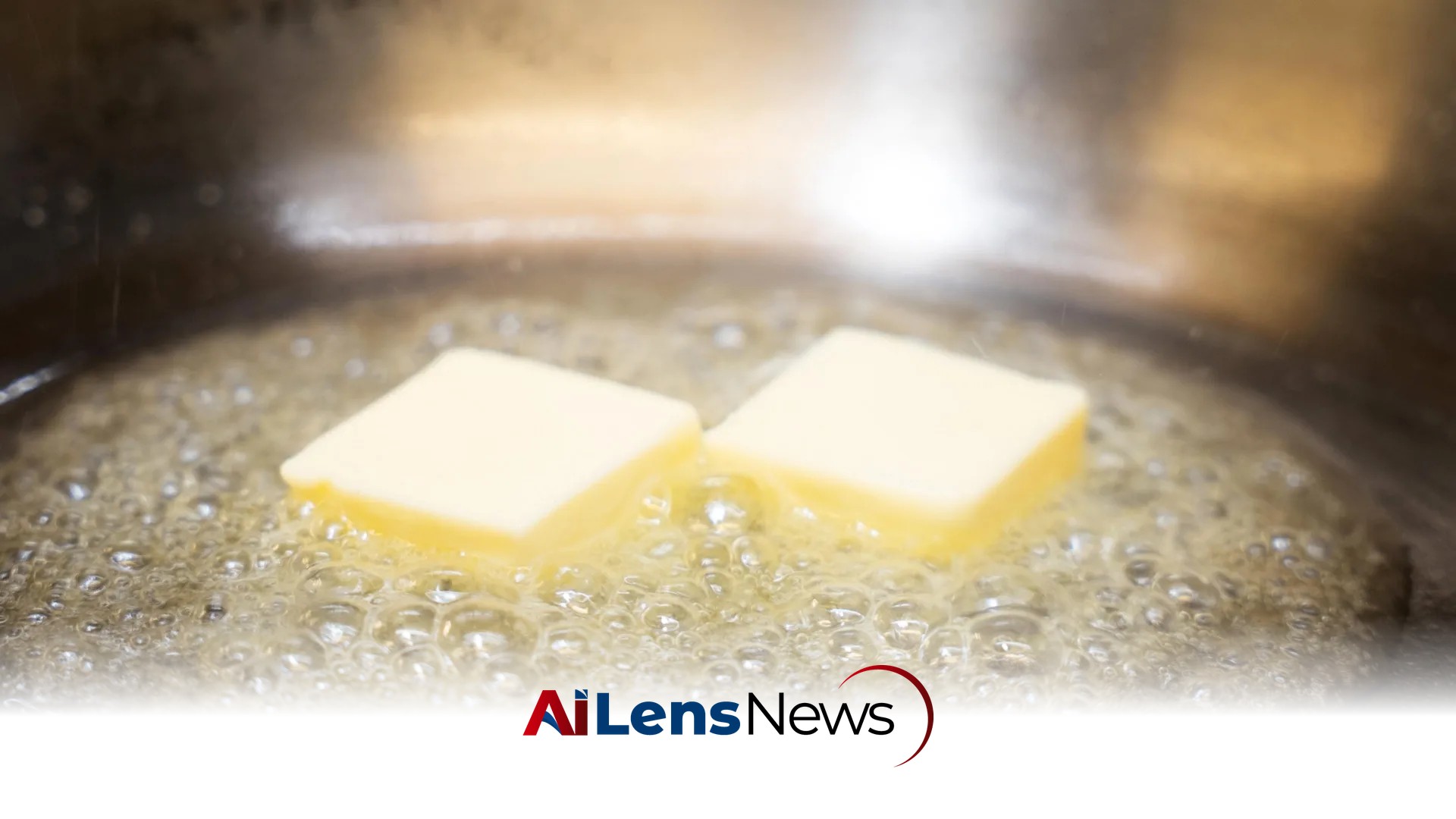


The differences between butter and margarine stem from their chemical structures, affecting their behavior in cooking and baking. This article explores these distinctions.
New Delhi, India Jun 27, 2026 ALN: The ongoing debate between butter and margarine is not merely a matter of personal preference or taste; it fundamentally hinges on the chemistry of these two fat sources. While both are primarily composed of fats, their structures and compositions differ significantly, which in turn affects their applications in cooking and baking, as well as their nutritional profiles. Understanding the chemistry behind these two options can help consumers make informed decisions based on their culinary needs and dietary goals.
At the core of the discussion about butter and margarine is their chemical structure. Both butter and margarine are classified as emulsions, which are mixtures where tiny droplets of water are dispersed throughout a continuous fat phase. This fat phase consists predominantly of triglycerides, which are the main form of fat found in dietary sources. A triglyceride is composed of three fatty acids attached to a glycerol molecule, which serves as the backbone of the structure. While the glycerol backbone remains consistent, the types and lengths of the fatty acids can vary widely. In dairy cream, triglycerides are found in globules or crystalline forms.
Both butter and margarine contain a mixture of saturated and unsaturated fatty acids. However, the key distinction lies in the composition of these fatty acids. Butter is primarily made up of saturated fatty acids, which allows them to stack closely together in a straight chain formation. This compact arrangement is due to the absence of double bonds between the carbon atoms in saturated fats. In contrast, margarine predominantly consists of unsaturated fatty acids, which are derived from various plant oils. Unsaturated fatty acids contain one or more double bonds, introducing kinks in their structure that prevent them from aligning neatly. This structural difference has significant implications for how these fats behave when subjected to heat.
Butter contains various forms of fat crystals that exhibit different melting points. These crystalline structures contribute to butter's firmness at lower temperatures and its gradual softening at room temperature. Additionally, butter's ability to trap air when creamed with sugar is crucial for creating light and airy baked goods, enhancing their texture and volume.
The process of making butter is both simple and fascinating. It begins with cream, which is churned or shaken to rupture the fat globules. As the globules break apart, the fat begins to leak out, forming semi-solid grains of butter. Continued churning causes these grains to coalesce and separate from the liquid byproduct known as buttermilk, which is naturally low in fat. Once the butter has formed, it is collected, kneaded, and pressed to achieve the desired consistency. Some varieties of butter are cultured by introducing lactic acid bacteria, which ferment the milk sugars into flavor compounds and organic acids, resulting in a tangy and complex flavor profile.
For those interested in making butter at home, the process is straightforward. By using cold heavy cream with a fat content of at least 36% and a standing mixer equipped with a whisk attachment, one can easily produce sweet butter. After a period of mixing, the sound of sloshing buttermilk signals that the butter is ready for pressing.
In contrast, the creation of margarine starts with liquid plant-based oils, which undergo a transformation into a solid form. This transformation is achieved through a chemical process known as interesterification. During this process, the fatty acids on the glycerol molecule are rearranged, resulting in a more uniform distribution of fats and a solid texture without increasing the saturated fat content or producing trans fats. The latter has been banned in several countries due to their association with cardiovascular diseases and elevated cholesterol levels.
Interesterification allows margarine to maintain a solid form for extended periods, providing a more consistent melting point compared to butter. However, there are also variations of margarine, such as spreads or squeeze-style products, that do not undergo this process. These types typically contain higher ratios of water and air, making them softer and more spreadable. While these spreadable margarines are lower in fat, they are less suitable for baking, as the increased water content can interfere with the texture and performance of baked goods, which are typically formulated for higher fat levels.
It is important to note that manufacturers are not required to disclose on product labels whether margarine has undergone interesterification, which can lead to confusion among consumers.
The flavor and color profiles of butter and margarine also differ significantly due to their chemical compositions. Butter's characteristic golden hue is primarily attributed to beta-carotene, an orange pigment found in grass. Cows that graze on grass consume this pigment, which is then expressed in their milk, resulting in the vibrant color of butter. In contrast, margarine is typically colorless, prompting manufacturers to add synthetic beta-carotene to replicate the appealing color of butter.
Moreover, margarine producers often incorporate flavoring agents such as diacetyl, a compound that imparts a distinct butter-like flavor. Additional ingredients, including whey components and preservatives, may also be added to enhance the flavor and shelf stability of margarine. Emulsifiers, such as lecithin or monoglycerides, are commonly used to prevent the separation of water and fat within the margarine, ensuring a consistent product. The specific ratios and types of ingredients can vary significantly between different margarine brands.
While both butter and margarine are primarily composed of triglycerides, the key difference lies in their origins: butter is a natural product, while margarine is an industrially modified fat. This distinction categorizes margarine as an ultraprocessed food, which some consumers may wish to avoid for reasons. However, margarine typically contains lower levels of saturated fats, which may be a consideration for those monitoring their fat intake.
The differences in chemical composition between butter and margarine have significant implications for baking. When heated, the proteins and lactose present in butter undergo a Maillard reaction, resulting in the signature brown color and a rich, nutty flavor that enhances baked goods. Margarine, lacking lactose, does not brown as effectively as butter and therefore does not impart the same depth of flavor or aroma to baked products.
Additionally, butter contains a certain level of water that, when heated, generates steam. This steam plays a crucial role in creating flaky layers in pastries and other baked goods. The water content in margarine can vary, and while it may produce some steam, it generally does not perform as well as butter in this regard.
Despite these differences, margarine does offer some advantages. Its consistency and controlled melting properties can be beneficial in certain baking applications. Furthermore, margarine typically has a longer shelf life compared to butter, which can be a consideration for consumers who prioritize convenience and storage. While it is possible to use butter and margarine interchangeably in recipes, understanding their functional differences can guide bakers in selecting the best option for their specific needs.
To learn more about the latest developments in Fitness & Nutrition, stay updated with our exclusive reports and analyses on AiLensNews.

