

A new initiative in Sweden empowers youth to create al projects while addressing unemployment, fostering hope and engagement with nature.
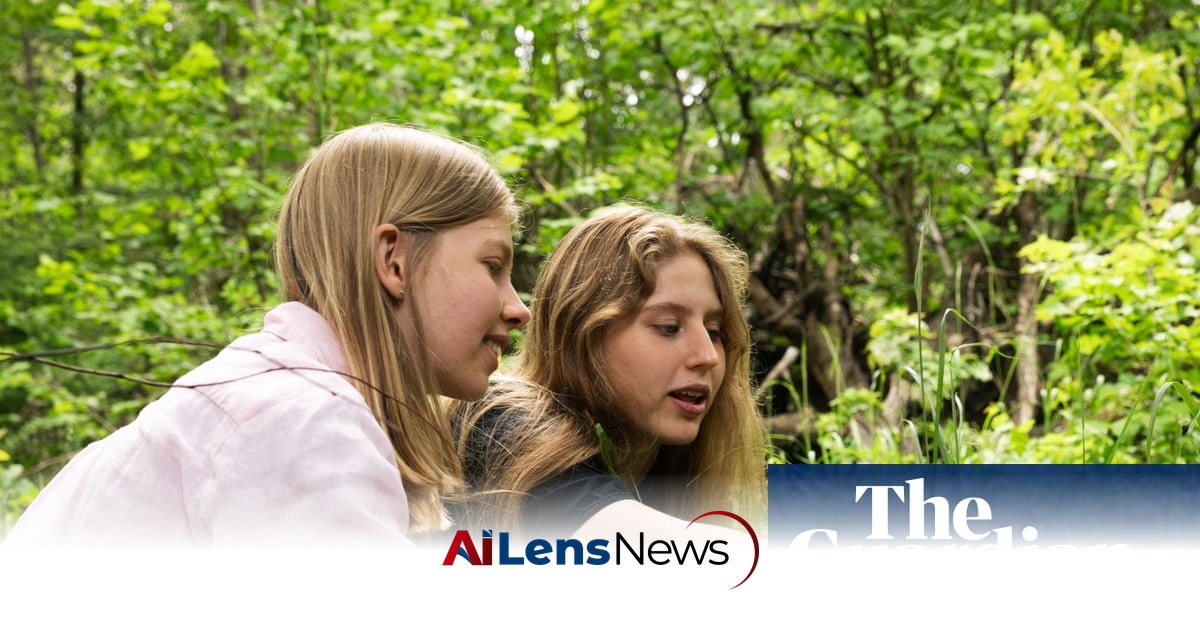
New Delhi, India Jul 3, 2026 ALN: Oona Verveld and Clara Vikberg have just secured their first paid summer jobs. While their peers are mostly limited to entry-level positions in retail or fast-food restaurants, the 18-year-olds are some of the first among their generation to have landed a new type of role: young planetary stewards. This innovative position reflects a growing trend in Sweden and beyond, where young people are increasingly being empowered to take on responsibilities that address al challenges and foster community engagement.
“Someone came up with the simple idea that, since young people clearly need jobs, why not create them?” says My Sellberg, the project manager and programme lead for regenerative development at Upplandsbygd, a non-profit based north of Stockholm. “The strongest objective was to inspire hope for the future among our young residents.” This initiative not only provides employment opportunities but also promotes a sense of agency among the youth, allowing them to contribute meaningfully to their communities and the planet.
Sweden has one of the highest youth unemployment rates in the EU, with about 24% of 15- to 24-year-old Swedes classified as unemployed, compared to an EU average of about 15%. The high unemployment rate among youth is a pressing issue that has garnered attention from policymakers and educators alike. While Sweden’s figures are partly influenced by the way students seeking work are counted in the statistics, the labour market remains challenging for young people trying to gain their first professional experience. In the UK, youth unemployment has also risen sharply, reaching about 16% in late 2025, its highest level in more than a decade. This trend underscores the need for innovative solutions to help young people transition from education to employment.
Upplandsbygd, which is funded by the five municipalities it covers and the EU, supports initiatives, funds local development projects, and builds networks and knowledge—all with sustainability at their core. The organisation employs the “leader method,” a bottom-up approach used by the EU to fund local rural development projects. This method encourages community involvement and ensures that the initiatives are relevant to the specific needs and aspirations of local residents. By focusing on sustainability, Upplandsbygd aims to create a more resilient and ally conscious society.
“In a world where so much can feel hopeless, it’s incredibly rewarding to come up with an idea of your own and turn it into something that you genuinely feel makes a positive difference,” says Vikberg, one of 10 successful applicants to the young planetary stewards (YPS) initiative. The YPS initiative not only provides financial support but also fosters creativity and innovation among young people, allowing them to explore their passions and make a tangible impact.
What makes the programme distinctive is its combination of grassroots action and structured support. Young participants are matched with local organisations—from farms to conservation groups—and receive funding of up to 40,000 Swedish krona (£4,000) per person alongside mentoring in project management. Most importantly, the project ideas come from the young people themselves, ensuring that their voices are heard and their interests are prioritized.
Verveld and Vikberg’s idea was simple: to help young people more easily connect with nature through a network of educational signs dotted along walking trails. The pair were matched with Eda Lägergård, a historic children’s summer camp north of Stockholm that has welcomed generations of young people through Sweden’s tradition of holiday camps. This partnership exemplifies how local organisations can benefit from the fresh perspectives and enthusiasm of youth while providing them with valuable experience and mentorship.
At Eda, children are being dropped off for the summer holidays. They will spend a week swimming in the onsite lake, playing football, canoeing, or just making new friends. The Swedish “kollo” is a century-old tradition in which children and young people leave cities to spend time in nature and participate in outdoor activities. Initially designed as a health initiative for poor, urban children, it has evolved into a popular activity across socioeconomic groups. This connection to nature is crucial for fostering a sense of al stewardship among younger generations.
Tore Sjöqvist, who has spent many years working at Eda, describes the history of the camp and how valuable it is to get young people like Verveld and Vikberg involved. “We fought for it for several years,” he says. “To learn from young people’s perspectives.” This collaborative approach not only enriches the camp experience for children but also empowers the youth involved, providing them with a platform to express their ideas and implement change.
Thanks to the teenagers’ project, Eda’s regular information signs are being replaced by digital ones with QR codes so the information can constantly be updated. One of the trails winds through a leafy forest, full of wildlife. The new signs will include information about the positive biodiversity benefits of leaving tree trunks in nature. Verveld and Vikberg point out one trunk in particular, which is covered in bracket fungus and nestled right next to a large ants’ nest. Another sign, further down the route, will include information about the history of Eda. This innovative approach to education not only enhances the learning experience for children but also instills a sense of curiosity and respect for the .
Other projects launched through the YPS scheme include:
These diverse projects highlight the creativity and resourcefulness of young people when given the opportunity to address al issues. “During the interviews, it became clear that many of the young participants found the collaborations with local organisations particularly valuable,” Sellberg says. “Not only did they feel that their work served a real purpose, but they also gained new contacts and insights. The partnerships added an extra dimension to the programme by connecting their ideas and efforts to organisations that could put them into practice.” Upplandsbygd hopes to expand the initiative in the future, recognizing the potential for similar programs to be implemented in other regions.
“I have a pretty pessimistic worldview,” Verveld says. “But through this project, I feel that I can contribute in ways that will have an impact. I don’t just watch climate change happening; I’m somehow active in improving it later on. Both of us want to engage children and youth in their surroundings—to create an interest in nature in order to care for it.” This sentiment reflects a growing awareness among young people of the importance of al stewardship and the role they can play in shaping a sustainable future.
For Vikberg, the interest in climate started as a scout and a love for the outdoors. “Young people are often disconnected from nature. I want to spread the joy of spending time outdoors,” she says. “If you have an interest in it, you also care for it more.” This connection between interest and care is crucial for fostering a generation that values and protects the natural world. As youth unemployment continues to be a pressing issue, initiatives like the YPS program not only provide employment but also cultivate a sense of responsibility and empowerment among young people, equipping them with the skills and knowledge needed to address the al challenges of the future.
To learn more about the latest developments in Conservation, stay updated with our exclusive reports and analyses on AiLensNews.

