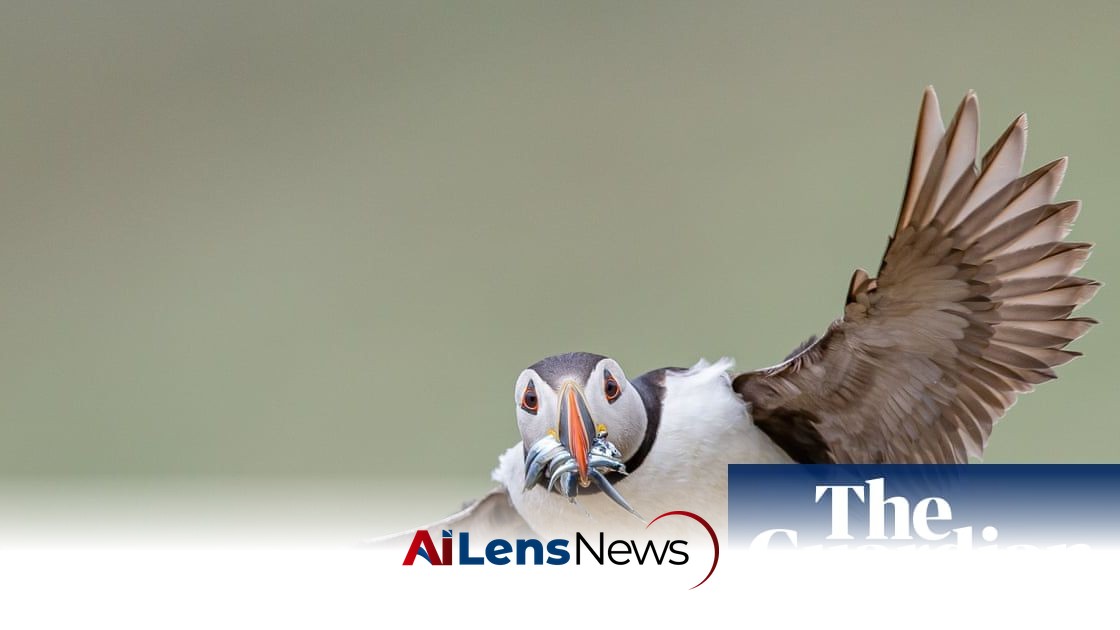


This week’s best wildlife photographs showcase the beauty and diversity of nature, featuring unique animal behaviors and interactions.
New Delhi, India Jul 10, 2026 ALN: This week’s edition of wildlife photography brings together stunning images that capture the essence of nature and its inhabitants. From a froggy lunch to a surf-loving penguin, these photographs highlight the incredible diversity and unique behaviors of wildlife around the globe. Wildlife photography serves not only as a medium for artistic expression but also as a powerful tool for conservation, raising awareness about the challenges faced by various species and the ecosystems they inhabit.
One of the standout images features a vibrant green frog enjoying a meal. The photograph captures the moment as the frog extends its long tongue to catch a fly, showcasing the remarkable adaptations of amphibians in their quest for survival. Frogs are equipped with specialized tongues that can extend rapidly, allowing them to snatch prey with impressive precision. This feeding behavior is a testament to their evolutionary adaptations, which have enabled them to thrive in diverse s, from rainforests to wetlands.
Frogs play a crucial role in their ecosystems, acting as both predators and prey. As insectivores, they help control insect populations, contributing to the balance of their habitats. Frogs feed on a variety of insects, including mosquitoes and agricultural pests, thereby playing a significant role in pest management. Additionally, frogs serve as a food source for a variety of animals, including birds, snakes, and mammals. Their presence is often considered an indicator of al health; declines in frog populations can signal ecological issues, such as pollution or habitat destruction. The plight of amphibians worldwide has raised concerns among conservationists, as many species face threats from climate change, disease, and habitat loss.
Amphibians, including frogs, are particularly susceptible to al changes due to their permeable skin, which makes them vulnerable to pollutants and climate fluctuations. The global decline of amphibian species has been alarming, with factors such as habitat destruction, the spread of the chytrid fungus, and climate change contributing to their rapid decrease. Conservationists emphasize the need for habitat protection, pollution control, and research into disease management to help preserve these vital species.
In another captivating shot, a penguin is seen riding the waves, embodying the playful spirit of these remarkable birds. Penguins are known for their unique swimming abilities, which allow them to navigate through the water with agility and grace. This image perfectly illustrates their playful nature, as they often engage in activities that appear to be for enjoyment, such as surfing on waves or tobogganing on ice. These behaviors are not only entertaining to observe but also demonstrate the penguins' adaptability to their aquatic s.
However, the photograph also serves as a reminder of the challenges penguins face due to climate change and habitat loss. Rising ocean temperatures, melting ice, and shifting fish populations threaten their food sources and breeding grounds. Many species of penguins, such as the Emperor and Adélie penguins, are particularly vulnerable to these changes. For instance, the loss of sea ice due to warming temperatures affects the availability of krill, a primary food source for many penguin species. Conservation efforts are underway to protect their habitats and ensure their survival, but the ongoing impacts of climate change necessitate urgent action on a global scale.
Organizations focused on penguin conservation are working to monitor populations, protect breeding sites, and advocate for policies aimed at reducing greenhouse gas emissions. These efforts are critical not only for the survival of penguins but also for the overall health of marine ecosystems, which are interconnected with the fate of various species. The plight of penguins highlights the broader implications of climate change on biodiversity and the urgent need for collective action.
Another fascinating entry features a treehopper, a small insect known for its distinctive shape and vibrant colors. The image captures the treehopper perched on a leaf, displaying its unique morphology that allows it to blend into its surroundings. Treehoppers are characterized by their unusual body shapes, which can resemble thorns or other plant structures, providing them with effective camouflage against predators. This adaptation is crucial for their survival, as it helps them avoid detection while they feed on plant sap.
Treehoppers are vital to their ecosystems, contributing to plant health and serving as food for various predators. They play a role in the complex web of life, supporting not only their own species but also the organisms that rely on them. Their presence can indicate a healthy ecosystem, as they are often found in biodiverse s. However, like many insects, treehoppers face threats from habitat destruction and pesticide use, highlighting the need for conservation measures that protect these small yet significant creatures.
The importance of treehoppers extends beyond their role in the food web; they also facilitate the process of pollination and contribute to the overall health of plant communities. By feeding on plant sap, they can inadvertently assist in the transfer of pollen between flowers, promoting genetic diversity among plants. The decline of insect populations, including treehoppers, due to habitat loss and pesticide use poses a significant risk to ecosystem stability and agricultural productivity.
Wildlife photography plays a significant role in conservation efforts by raising awareness about the beauty and fragility of nature. Through stunning visuals, wildlife photographers can capture the attention of the public, inspiring a deeper appreciation for the natural world. These images not only entertain but also educate the public about the importance of protecting wildlife and their habitats. They serve as a visual reminder of the interconnectedness of all living beings and the ecosystems they inhabit.
The impact of wildlife photography extends beyond aesthetic appeal; it can influence policy decisions and conservation strategies. By showcasing the plight of endangered species and the threats they face, photographers can mobilize support for conservation initiatives. Documentaries and photo exhibitions have been effective in raising funds and awareness for various al causes, demonstrating the power of visual storytelling in driving change.
Moreover, wildlife photography can foster a sense of empathy and connection between people and the natural world. When individuals see powerful images of wildlife, they may be more inclined to support conservation efforts, volunteer for al organizations, or change their consumer habits to be more sustainable. The emotional resonance of wildlife photography can be a catalyst for action, encouraging individuals and communities to take steps to protect the .
As we continue to face global challenges, such as climate change and habitat destruction, the work of wildlife photographers becomes increasingly vital. Their contributions help to foster a sense of stewardship among individuals and communities, encouraging people to take action to protect the planet. The images captured by these artists serve as a call to action, urging society to recognize the importance of biodiversity and the need for sustainable practices.
This week’s wildlife photographs remind us of the incredible diversity of life on our planet. Each image tells a story of survival, adaptation, and the intricate relationships within ecosystems. As we admire these snapshots of nature, let us also reflect on our responsibility to protect these creatures and their habitats for future generations. The ongoing challenges faced by wildlife underscore the importance of conservation efforts, and through collective action, we can work towards a more sustainable future for all living beings.
Furthermore, as we engage with wildlife photography, we must also recognize the broader implications of our actions on the . Supporting sustainable practices, advocating for policies that protect natural habitats, and educating ourselves and others about the importance of biodiversity are crucial steps we can take. The beauty captured in these photographs serves not only as a celebration of nature but also as a reminder of the urgent need for its preservation.
To learn more about the latest developments in Conservation, stay updated with our exclusive reports and analyses on AiLensNews.

