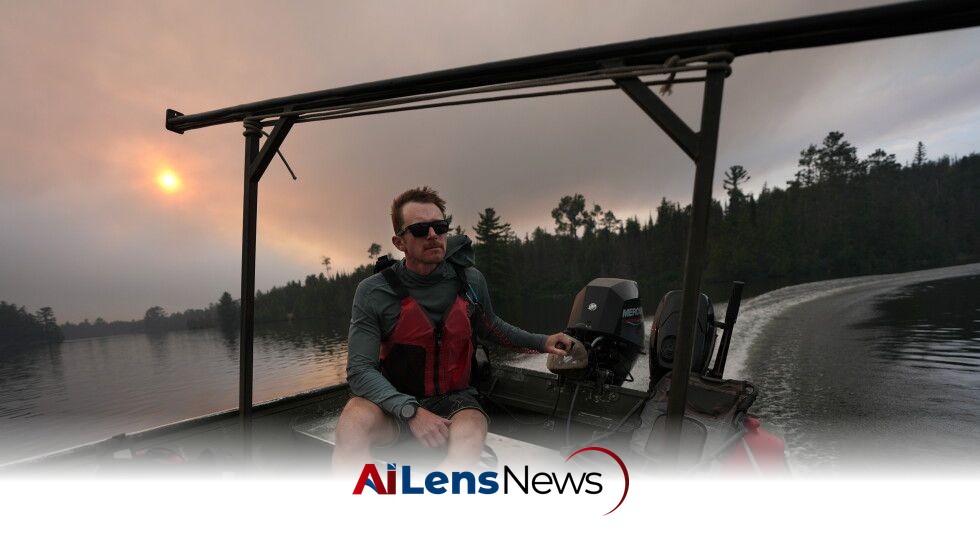


Heavy smoke from wildfires in Canada and Minnesota has prompted evacuations in remote areas, affecting air quality across the Midwest and Northeast U.S.
Washington DC, United States Jul 16, 2026 ALN: Wildfires have become an increasingly alarming phenomenon across North America, with the latest incidents in Canada and Minnesota prompting widespread evacuations and health warnings throughout the Midwest and Northeast regions of the United States. The situation is not just a local concern; it reflects a broader trend that has been observed in recent years, where the frequency and intensity of wildfires have escalated, largely attributed to climate change and environmental factors.
This week, thousands of visitors in a remote Minnesota wilderness area, specifically the Boundary Waters Canoe Area Wilderness, were ordered to evacuate due to the encroaching wildfires. This area is known for its pristine lakes, dense forests, and a network of canoe routes that attract outdoor enthusiasts from around the country. However, the beauty of this wilderness has been overshadowed by the threat posed by approximately 17 wildfires ignited by lightning more than a week ago. The fires have been exacerbated by dry conditions and strong winds, which have helped spread the flames and smoke.
In Canada, the situation is similarly dire, with more than 100 wildfires reported in various provinces, particularly in northern Ontario. A striking incident highlighted the perilous conditions faced by those in the vicinity of these fires: a train crew filmed themselves surrounded by flames before they were safely evacuated. This dramatic footage underscores the unpredictable and dangerous nature of wildfires, which can escalate rapidly and pose significant risks to both human life and property.
The wildfires have resulted in smoke that has drifted southeast, impacting air quality across a wide swath of the United States, extending from Minnesota to Toronto and into New York. Meteorologists, including Tyler Hasenstein from the National Weather Service in Chanhassen, Minnesota, have issued warnings about unhealthy air conditions. The combination of smoke from the wildfires and unusually high summer temperatures creates a hazardous environment for residents. Hasenstein emphasized that staying indoors is the best course of action to mitigate health risks associated with both the smoke and the heat.
The health implications of poor air quality due to wildfire smoke are significant. Exposure to smoke can lead to respiratory issues, exacerbate existing health conditions, and pose risks to vulnerable populations, including children and the elderly. Health authorities recommend that individuals in affected areas take precautions such as using air purifiers, wearing masks when going outside, and limiting outdoor activities. Moreover, the psychological impact of such disasters cannot be overlooked, as evacuations and the threat of wildfires can lead to increased anxiety and stress among residents and visitors.
As the fires continue to spread, rangers in Minnesota are actively working to evacuate campers and visitors from the Boundary Waters Canoe Area. The remoteness of this wilderness area presents unique challenges for evacuation efforts, as it is primarily accessible by canoe, and many visitors may be unaware of the severity of the situation. Authorities are urging everyone in the affected areas to heed evacuation orders and stay informed about air quality alerts and fire conditions. Local news and weather reports serve as critical resources for those seeking the latest updates on the wildfires and their potential impacts.
The ongoing wildfires serve as a stark reminder of the increasing frequency and intensity of such natural disasters, which many experts attribute to climate change. Rising global temperatures, prolonged droughts, and changing precipitation patterns contribute to the conditions that foster wildfires. As the climate continues to change, regions that were previously less susceptible to wildfires may find themselves facing similar threats, necessitating a reevaluation of land management practices and emergency preparedness strategies.
In addition to the immediate dangers posed by the fires, there are long-term implications for the environment and local economies. Wildfires can lead to significant ecological damage, including the destruction of habitats, loss of biodiversity, and alterations to landscapes that can take years or even decades to recover. Furthermore, communities that rely on tourism, particularly those near natural attractions like the Boundary Waters, may face economic challenges as visitors are deterred by the threat of wildfires and the associated health risks.
As the situation evolves, it is crucial for communities to come together to support one another during this challenging time. Emergency services, local governments, and non-profit organizations play vital roles in coordinating evacuation efforts, providing resources for displaced individuals, and ensuring that accurate information is disseminated to the public. Community resilience will be tested as residents navigate the complexities of wildfire threats, air quality concerns, and the ongoing effects of climate change.
In conclusion, the wildfires in Canada and Minnesota are not just isolated incidents; they are part of a larger pattern of increasing natural disasters driven by climate change. As the Midwest and Northeast grapple with the immediate effects of these fires, there is a pressing need for comprehensive strategies that address the underlying causes of wildfires and enhance community preparedness. The health and safety of residents, visitors, and the environment depend on our collective response to these challenges and our commitment to fostering a sustainable future.
The implications of these wildfires extend beyond immediate evacuations and health warnings. The ecological impact can be profound, affecting not just the immediate area but also the broader ecosystem. Wildlife habitats can be destroyed, leading to a decline in species that rely on those environments. The loss of trees and vegetation can also contribute to soil erosion, which can further exacerbate the effects of flooding in the aftermath of the fires.
Moreover, the economic ramifications can be severe for communities that depend on tourism. The Boundary Waters Canoe Area Wilderness, for example, is a significant draw for outdoor enthusiasts, and the ongoing threat of wildfires may deter visitors, leading to a downturn in local businesses. Restaurants, lodging facilities, and outdoor outfitters may see a decline in revenue, which can have a cascading effect on the local economy.
In light of these challenges, it is essential for local and regional authorities to develop and implement effective fire management strategies. This includes not only immediate firefighting efforts but also long-term planning that considers land use, forest management, and community education about fire risks. Public awareness campaigns can help educate residents and visitors about the importance of fire safety and preparedness, which can mitigate the risks associated with wildfires.
As the climate crisis continues to evolve, it is imperative for policymakers to take decisive action. This includes investing in renewable energy sources, enhancing infrastructure to withstand extreme weather events, and promoting sustainable land management practices. By addressing the root causes of climate change, communities can better prepare for and respond to the increasing threat of wildfires and other natural disasters.
In summary, the wildfires currently raging in Canada and Minnesota are a reflection of a larger trend driven by climate change and environmental factors. The immediate impacts on health, safety, and local economies are significant, and the long-term consequences for ecosystems and communities are profound. It is essential for individuals, communities, and governments to work collaboratively to address these challenges and foster resilience in the face of an uncertain future.
To learn more about the latest developments in Environmental Policy, stay updated with our exclusive reports and analyses on AiLensNews.

