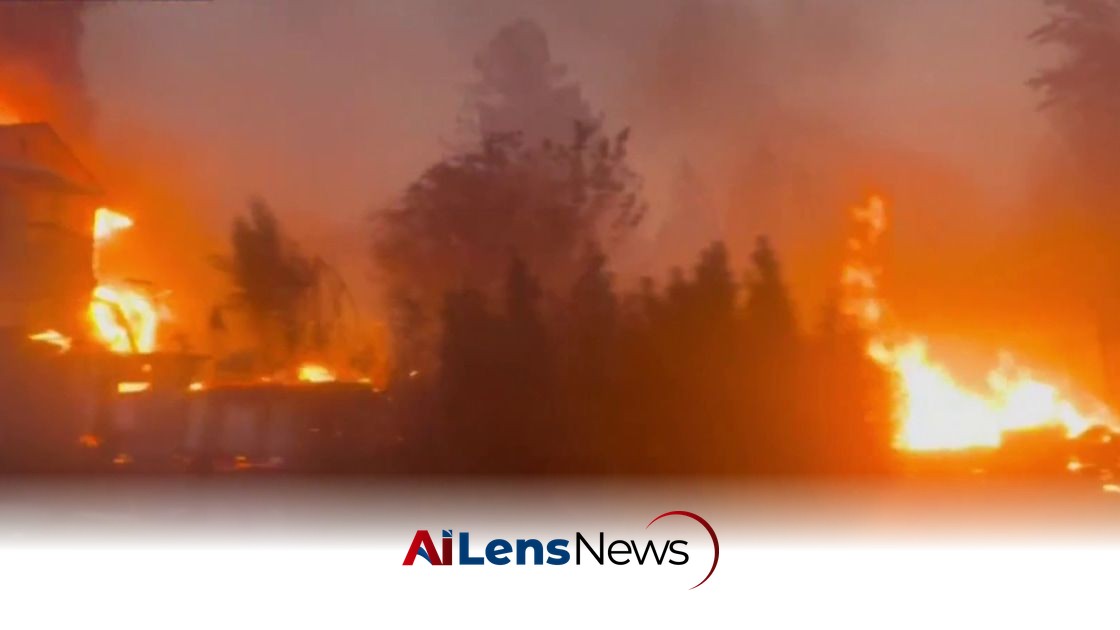


Over 65,000 residents in Spokane, WA have been evacuated due to three raging wildfires that have destroyed more than 700 structures.
Olympia, United States Aug 4, 2026 ALN: In a devastating turn of events, three wildfires in Spokane, Washington, have wreaked havoc, destroying over 700 structures and forcing approximately 65,000 residents to evacuate their homes. The fires have spread rapidly, prompting emergency services to issue evacuation orders to ensure the safety of the affected population. This incident highlights the increasing frequency and intensity of wildfires in the western United States, a trend attributed to climate change, prolonged droughts, and changing land use patterns.
The wildfires, which ignited in the region, have been fueled by dry conditions and strong winds, creating a perilous situation for firefighters battling the blazes. The combination of high temperatures and low humidity has created an environment ripe for fire spread, leading to rapid escalation of the wildfires. As flames engulf neighborhoods, residents have been urged to leave immediately, with many seeking refuge in evacuation centers set up by local authorities. The urgency of the situation is compounded by the unpredictable nature of wind patterns, which can quickly change the direction of the flames, making firefighting efforts even more challenging.
According to officials, the fires have not only destroyed homes but have also impacted local businesses and infrastructure. The destruction has left a significant mark on the community, with many families losing everything they own. The loss of homes is not just a physical displacement; it represents a profound emotional toll on families who have built their lives in these neighborhoods. Emergency responders are working tirelessly to contain the fires and assess the damage, but the scale of destruction is staggering. Early estimates suggest that the economic impact could reach millions of dollars, affecting not just the residents but the broader Spokane economy.
In addition to residential damage, critical infrastructure such as roads, power lines, and communication systems have also been affected. This has posed additional challenges for emergency services, complicating evacuation efforts and hindering the response to the fires. The damage to local businesses means that many people may be facing job losses, further complicating the recovery process for the community. The psychological impact of such disasters can linger long after the flames are extinguished, as individuals and families grapple with the loss of their homes and livelihoods.
Firefighters from various regions have been deployed to assist in combating the flames. The local government has activated emergency response plans, providing support and resources to those affected. Evacuation centers have been established to accommodate displaced residents, offering food, shelter, and medical assistance. These centers are crucial not only for immediate relief but also for providing a sense of community and support during a time of crisis.
Local, state, and federal agencies are coordinating their efforts to manage the situation effectively. The involvement of the National Guard and other specialized firefighting units has been instrumental in battling the wildfires. Authorities are also utilizing aerial resources, including helicopters and air tankers, to drop water and fire retardant on the most active fire fronts. These efforts are aimed at controlling the spread of the fires and protecting vulnerable areas, including schools, hospitals, and elderly care facilities. The collaboration among various agencies underscores the importance of a unified response in disaster situations.
Despite the chaos, the Spokane community has shown remarkable resilience. Neighbors are coming together to support one another, with many volunteering to help those in need. Local organizations are coordinating relief efforts, collecting donations, and providing essential supplies to evacuees. This grassroots response illustrates the strength of community bonds in times of crisis, as residents open their homes to those displaced and offer assistance in various forms, from food drives to emotional support.
Community centers and local churches have stepped up to serve as hubs for relief efforts, providing not only physical resources but also emotional support for those affected by the fires. Mental health professionals are also being mobilized to help residents cope with the trauma of evacuation and loss. The spirit of solidarity displayed by the Spokane community serves as a beacon of hope amidst the devastation, reminding residents that they are not alone in their struggle. Community resilience is often tested in times of crisis, and Spokane’s response exemplifies the strength that can be found in unity.
As the situation continues to evolve, officials are closely monitoring the fires and working to keep the public informed. Residents are encouraged to stay updated through official channels and to follow evacuation orders promptly. The recovery process will undoubtedly be long, with many families facing the daunting task of rebuilding their lives. However, the community's spirit remains strong as they face this challenging time together. The rebuilding phase will require not only physical reconstruction but also emotional healing, as families come to terms with their losses.
In the aftermath of the wildfires, discussions about fire prevention and land management practices are likely to gain traction. Local authorities may consider implementing stricter building codes in fire-prone areas and enhancing public awareness campaigns about fire safety. The wildfires serve as a stark reminder of the need for proactive measures to mitigate the impact of future wildfires, including better forest management practices and community preparedness initiatives. The lessons learned from this disaster could inform future policies and practices aimed at reducing wildfire risks in the region.
For now, the focus remains on ensuring the safety of all residents and bringing the wildfires under control. Authorities are hopeful that with continued efforts, they will be able to mitigate the damage and support those affected in their recovery. The resilience of the Spokane community, coupled with effective emergency response strategies, will be crucial in navigating the challenges ahead. As the region begins to heal, it will also have to confront the broader implications of climate change and its role in exacerbating wildfire risks, prompting a collective effort to adapt to a changing environment. This incident may serve as a catalyst for broader conversations about climate action, sustainability, and the need for comprehensive strategies to address the root causes of such disasters.
To learn more about the latest developments in Natural Disasters, stay updated with our exclusive reports and analyses on AiLensNews.

