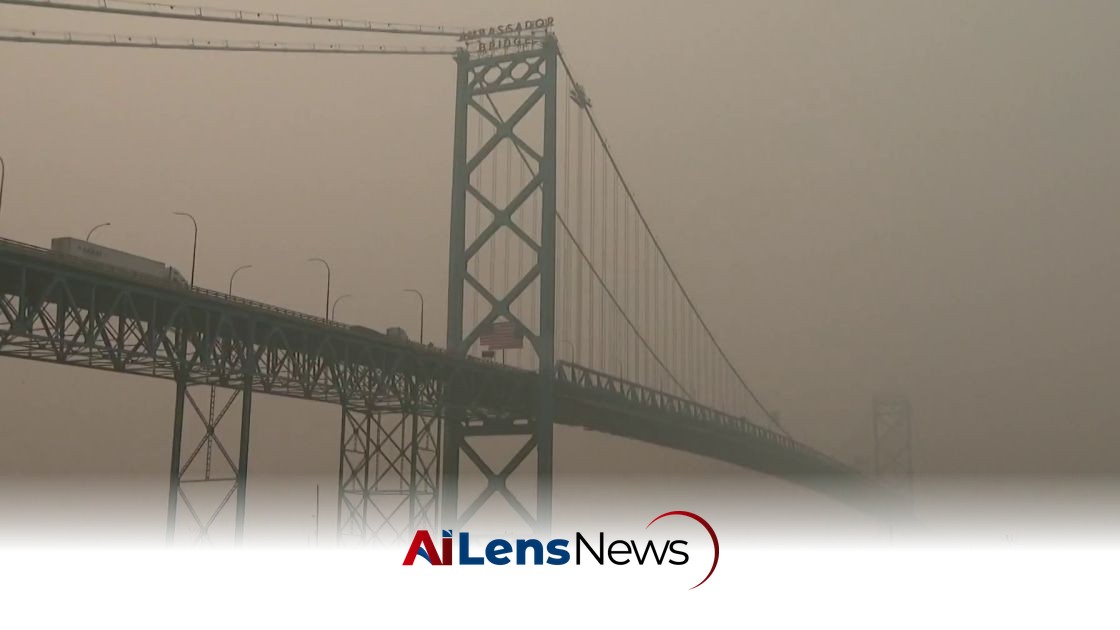


Major cities in the Midwest are experiencing hazardous air quality as smoke from Canadian wildfires engulfs the region, leading to health warnings.
Washington DC, United States Jul 17, 2026 ALN: Smoke from Canadian wildfires is currently blanketing major cities across the Midwest, significantly impacting air quality and obscuring iconic skylines. This environmental crisis has prompted health officials to issue air quality alerts, warning residents about the potential health risks associated with the hazardous air conditions. The situation highlights the interconnectedness of climate events and public health, as well as the growing frequency of such occurrences due to climate change.
The smoke, which has traveled thousands of miles, has led to a dramatic decline in air quality, with some areas reporting levels classified as unhealthy. Cities such as Chicago, Detroit, and Indianapolis are among those affected, with visibility reduced and a haze settling over urban landscapes. This phenomenon is not new; however, the intensity and reach of wildfire smoke have increased in recent years, raising concerns among environmental scientists and public health officials alike. The trend is indicative of broader shifts in climate patterns, driven by rising global temperatures and changing precipitation patterns that create conditions conducive to wildfires.
Health experts are urging residents to take precautions, especially vulnerable populations such as children, the elderly, and those with pre-existing respiratory conditions. The particulate matter contained in wildfire smoke can penetrate deep into the lungs, exacerbating conditions like asthma and bronchitis, and can even lead to cardiovascular problems. Recommendations include staying indoors, using air purifiers, and wearing masks if going outside is necessary. Additionally, individuals are advised to monitor local air quality reports and limit outdoor activities, particularly strenuous exercise, during high pollution days.
The Centers for Disease Control and Prevention (CDC) has also emphasized the importance of recognizing symptoms of smoke exposure, which can include coughing, throat irritation, and difficulty breathing. For those experiencing severe reactions, it is crucial to seek medical attention promptly. The widespread impact of the smoke on health has led to increased calls for community support systems to assist those most affected, particularly the elderly and those with limited mobility. Community organizations are stepping up to provide resources and support, such as distributing masks and air filters to those in need.
The pervasive smoke has disrupted daily activities, with many outdoor events being canceled or postponed. Festivals, sports events, and community gatherings are being re-evaluated in light of health advisories, leading to a significant economic impact on local businesses that rely on such activities. Residents are advised to limit outdoor exercise and activities, as prolonged exposure to the poor air quality can lead to serious health issues. Schools have also been affected, with some districts opting for remote learning or adjusting schedules to minimize outdoor exposure for students. This disruption in education raises concerns about the long-term academic impact on children, especially those who may already be struggling.
Furthermore, the visibility issues caused by the smoke have led to transportation disruptions. Flights have been delayed or rerouted, and road travel has become hazardous due to reduced visibility. The cumulative effect of these disruptions is a growing sense of unease in the community, as residents navigate the challenges posed by both the air quality crisis and its ripple effects on daily life. Local authorities have been working to provide real-time updates on air quality and travel conditions, but the uncertainty surrounding the situation continues to create anxiety.
Local authorities are closely monitoring the situation and providing updates on air quality levels. Emergency services are on standby to assist those in need, and public health campaigns are underway to educate the community about the risks associated with wildfire smoke. Local governments are also coordinating with state and federal agencies to address the crisis effectively, ensuring that resources are available for those most affected. This collaborative approach is essential for managing the immediate health risks while also planning for long-term solutions.
In addition, there are ongoing discussions about the long-term strategies needed to address the increased frequency of wildfires and their impact on air quality. This includes investment in fire management strategies, such as controlled burns and forest thinning, to reduce the fuel available for wildfires. The situation has sparked a renewed debate about climate policy and the need for comprehensive approaches to mitigate the effects of climate change, which is anticipated to exacerbate wildfire occurrences in the future. Policymakers are being urged to consider not only immediate responses but also sustainable practices that can help prevent future crises.
As the wildfire season continues, experts warn that similar air quality issues may arise in the future. The need for better forest management and proactive measures to mitigate wildfire risks is becoming increasingly urgent as climate change exacerbates these events. The Midwest, traditionally less affected by wildfires compared to the western United States, is now facing a new reality that demands adaptation and resilience from both communities and policymakers. This shift necessitates a reevaluation of land use practices and urban planning to incorporate climate resilience into future developments.
Moreover, the economic implications of recurring air quality crises cannot be overlooked. Industries such as tourism, agriculture, and public health will need to adapt to the changing environmental landscape, which may include more frequent disruptions. There is an increasing recognition that addressing climate change is not only an environmental imperative but also an economic necessity, as the costs associated with health impacts and disaster response continue to rise. Businesses are being encouraged to invest in sustainability practices that not only protect the environment but also support their bottom lines in the face of climate-related challenges.
In conclusion, the Midwest is currently grappling with one of the worst air quality crises due to smoke from Canadian wildfires. Residents are encouraged to stay informed and take necessary precautions to protect their health during this challenging time. The events underscore the urgent need for a collective response to climate change and its far-reaching impacts on public health and safety. As communities come together to face these challenges, the hope is that lessons learned will lead to more robust strategies for managing air quality and mitigating the effects of future wildfire seasons. The situation serves as a stark reminder of the importance of proactive engagement in climate policy and community preparedness to safeguard public health against the backdrop of a changing climate.
To learn more about the latest developments in Pollution & Waste, stay updated with our exclusive reports and analyses on AiLensNews.

