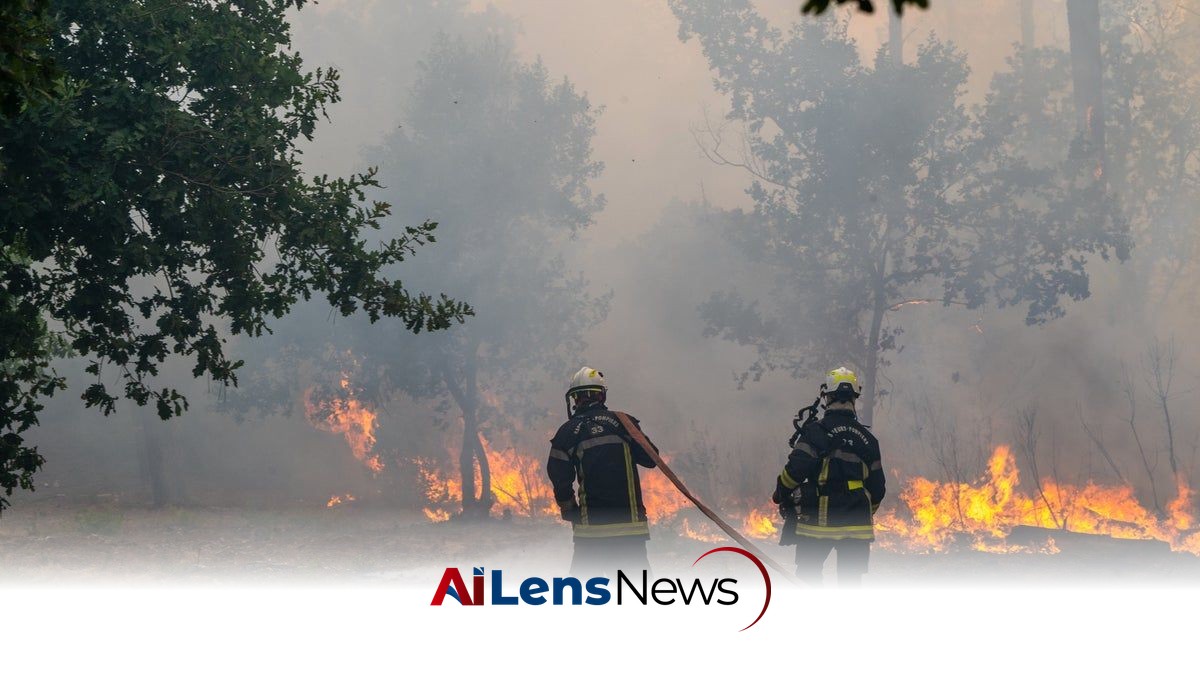


Recent wildfires in France and Spain have led to the evacuation of thousands of residents as firefighters battle the blazes amid extreme heat conditions.
London, United Kingdom Jul 25, 2026 ALN: In a dramatic turn of events, wildfires raging across parts of France and Spain have forced thousands of residents to evacuate their homes. The fires, exacerbated by soaring temperatures and dry conditions, have prompted emergency services to take swift action to protect lives and property. The situation has escalated rapidly, drawing attention not only to the immediate dangers posed by the wildfires but also to the broader implications of climate change and environmental management in Europe.
Authorities in both countries have reported extensive damage to forests and wildlife habitats, with firefighters working tirelessly to contain the flames. The situation has been particularly dire in southern France, where several towns have been placed on high alert. The wildfires have not only threatened residential areas but have also posed significant risks to local ecosystems, with many species of flora and fauna jeopardized by the loss of their habitats. Firefighters, equipped with specialized gear and resources, have been battling the blazes under extreme conditions, often facing gusty winds that can rapidly change the direction of the flames.
Local officials have issued evacuation orders for numerous communities, urging residents to leave their homes as a precautionary measure. Emergency shelters have been set up to accommodate those displaced by the fires, providing them with food, water, and medical assistance. These shelters are vital for ensuring the safety and well-being of evacuees, many of whom are facing the uncertainty of returning to homes that may be damaged or destroyed. The rapid response from local authorities highlights the importance of preparedness in the face of natural disasters.
In Spain, the government has mobilized additional firefighting resources, including aircraft and specialized teams, to combat the blazes. The Spanish Prime Minister has expressed solidarity with affected communities and pledged government support for recovery efforts. This support includes not only immediate firefighting resources but also long-term financial assistance aimed at rebuilding efforts once the fires are contained. The collaboration between local, regional, and national authorities is critical in managing the crisis and ensuring that affected individuals receive the necessary support.
Experts have pointed to climate change as a significant factor contributing to the increasing frequency and intensity of wildfires in Europe. The region has experienced an unusually hot summer, with temperatures soaring above average, creating ideal conditions for wildfires to ignite and spread rapidly. The combination of prolonged drought, heatwaves, and dry vegetation has created a perfect storm for wildfires, leading to devastating consequences for both human populations and natural ecosystems.
Climate scientists warn that without significant action to address climate change, such extreme weather events are likely to become more common in the future. This situation underscores the urgent need for comprehensive climate policies and disaster preparedness strategies. Governments and organizations are being called upon to implement measures that not only address the immediate challenges of wildfires but also tackle the underlying causes of climate change. These measures could include investments in renewable energy, reforestation projects, and community education on fire prevention and safety.
As communities grapple with the immediate effects of the wildfires, local leaders are emphasizing the importance of resilience and recovery. Community organizations are mobilizing volunteers to assist with relief efforts, providing support to those who have lost their homes and livelihoods. This grassroots response highlights the strength and solidarity of affected communities, as neighbors come together to help one another during this challenging time. The collective response is a testament to the human spirit and the importance of community in times of crisis.
In the aftermath of the fires, long-term recovery plans will be crucial to rebuilding affected areas and restoring damaged ecosystems. Environmentalists stress the need for sustainable land management practices to prevent future wildfires and protect biodiversity. This includes creating firebreaks, managing vegetation, and implementing controlled burns to reduce fuel loads in forests. Additionally, restoring habitats that have been damaged by the fires will be essential for the recovery of local wildlife populations. The integration of ecological considerations into recovery plans will be vital for ensuring a resilient future.
Furthermore, the psychological impact of such disasters cannot be overlooked. Many residents face not only the loss of their homes but also the emotional toll of displacement and uncertainty. Mental health services will be crucial in the recovery process, as individuals and families work to rebuild their lives in the wake of such traumatic events. Providing psychological support and counseling will be an essential component of the recovery efforts, as communities seek to heal from the trauma of the wildfires.
The wildfires in France and Spain serve as a stark reminder of the growing threat posed by climate change and the need for proactive measures to safeguard communities. As firefighters continue their efforts to contain the blazes, the focus will also shift to recovery and rebuilding in the weeks and months ahead. The lessons learned from this crisis could inform future strategies for disaster response and climate adaptation, emphasizing the importance of collaboration across all levels of government and the involvement of local communities in fostering resilience.
In summary, the ongoing wildfires highlight the urgent need for comprehensive approaches to environmental management and climate action. As the world grapples with the realities of climate change, the experiences of affected regions in France and Spain may serve as a bellwether for other areas facing similar threats. Moving forward, it will be essential to prioritize sustainable practices, enhance emergency preparedness, and support vulnerable communities in their recovery efforts. The path to recovery will require a concerted effort from all sectors of society, underscoring the interconnectedness of environmental health and community well-being.
To learn more about the latest developments in Environmental Policy, stay updated with our exclusive reports and analyses on AiLensNews.

