

Residents of Italy's Aeolian Islands are debating the construction of new desalination plants amid ongoing water shortages, balancing local needs with tourist demands.
London, United Kingdom Jul 14, 2026 ALN: Residents of Italy's Aeolian Islands are grappling with a pressing water crisis, leading to heated discussions about whether to build additional desalination plants or continue relying on water transported by ship. The islands, known for their stunning landscapes and tourism, face a critical challenge in providing adequate drinking water for both locals and the influx of visitors. The Aeolian Islands, a UNESCO World Heritage site, consist of seven islands, each with unique characteristics and challenges, making the issue of water scarcity particularly complex.
Currently, the island of Vulcano operates a desalination plant that has made it self-sufficient in terms of drinking water. However, Stromboli, another island in the archipelago, still depends on water deliveries by ship. Angelo Mirabito, a restaurant owner on Stromboli, expressed the urgency of the situation: "When they can’t dock in bad weather, we’re left without water." This highlights the vulnerability of the islands' water supply, particularly during peak tourist seasons when the demand for water surges dramatically.
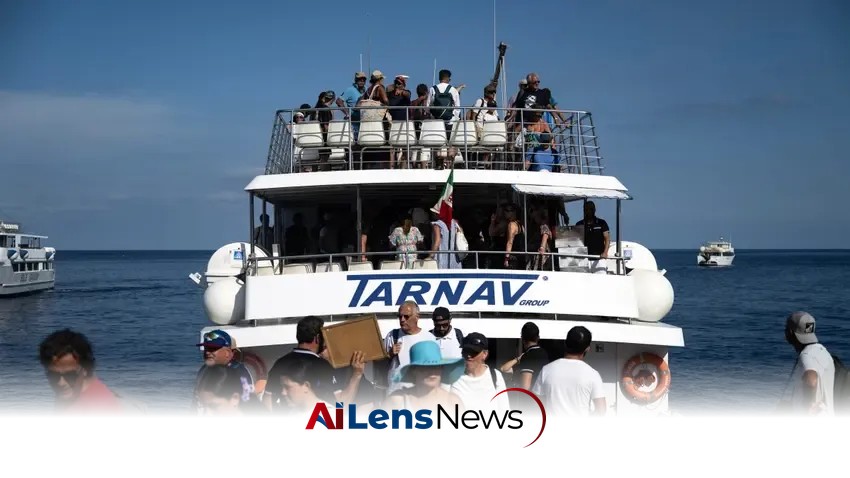
During the summer months, the population of the Aeolian Islands swells significantly, with around 146,000 tourists visiting in 2024, compared to just 15,000 permanent residents. This surge puts immense pressure on the already limited water resources. The tourism industry is a vital part of the local economy, but it also exacerbates existing problems related to water supply and management. Fabio Pupillo, an engineer with Sopes, the company managing the Vulcano desalination plant, stated, "For 10 years, we have been producing a constant 300,000 cubic metres per year" of drinking water. The reliance on tourism for economic stability complicates the water crisis, as local authorities must balance the needs of residents with those of visitors.
The financial implications of water sourcing are stark. Desalinated water costs approximately two euros per cubic metre, while water transported by ship can reach up to 14 euros per cubic metre. This disparity raises questions about the sustainability of relying on shipped water, especially as the demand continues to rise. The economic burden of purchasing shipped water can be a significant strain on local businesses and households, leading to calls for more sustainable solutions that could alleviate the financial pressure on residents.
Italy ranks second in the EU for desalination capacity, producing over 657,000 cubic metres of desalinated water daily across 341 plants. However, plans for four new desalination plants on the islands have sparked controversy. Local residents and environmental groups argue that insufficient data exists regarding the environmental impact of such projects in an area with delicate ecosystems. The Aeolian Islands are home to unique flora and fauna, and any new development could threaten these natural resources.
Giuseppe Amato, a water campaigner for the environmental NGO Legambiente, emphasized the need for careful planning. He questioned whether the proposed plant for Filicudi should serve the small permanent population or accommodate the peak tourist numbers. This dilemma underscores the tension between local needs and the pressures of tourism. The challenge lies in ensuring that the environmental integrity of the islands is preserved while also addressing the urgent needs of both residents and tourists.
In response to the growing concerns, the environmental foundation Marevivo has called for a suspension of the authorization process for new desalination plants. They advocate for exploring alternative solutions, such as recycling water, rainwater collection, and better management of tourist demand. These strategies could provide sustainable alternatives to desalination, which often requires significant energy and infrastructure investment. For instance, rainwater harvesting could be implemented in both residential and commercial settings, reducing reliance on external water sources.
Eugenio Vodini, who organizes boat trips for tourists, remarked, "Unlike tourists, local residents know how to manage their drinking water. It is an extremely precious thing, almost like gold, because what can you do without water?" This sentiment reflects the deep connection residents have with their water resources. The local community’s understanding of water management practices could serve as a valuable resource in developing strategies that prioritize sustainability and resilience.
As discussions continue, the future of water management on the Aeolian Islands remains uncertain. Local officials, residents, and environmental advocates are engaged in ongoing conversations about the best path forward. Balancing the needs of residents, tourists, and the environment will be crucial in determining the best path forward for this picturesque yet water-scarce region. The outcomes of these discussions will not only impact the daily lives of the residents but also shape the future of tourism and environmental conservation in the Aeolian Islands.
Moreover, the implications of the water crisis extend beyond immediate availability. The decisions made today will influence the economic viability of the islands, the preservation of their natural beauty, and the quality of life for future generations. As climate change continues to affect weather patterns and water availability across the globe, the situation in the Aeolian Islands serves as a microcosm of broader challenges faced by many coastal and island communities. The lessons learned here could inform water management strategies in other regions facing similar issues.
Ultimately, the Aeolian Islands stand at a crossroads. The choices made in response to the water crisis will define not only the future of the islands' residents but also the legacy of their unique ecosystems and cultural heritage. Engaging all stakeholders in a transparent and inclusive decision-making process will be essential in navigating these challenges and ensuring a sustainable future for this remarkable part of Italy.
To learn more about the latest developments in Environmental Policy, stay updated with our exclusive reports and analyses on AiLensNews.

