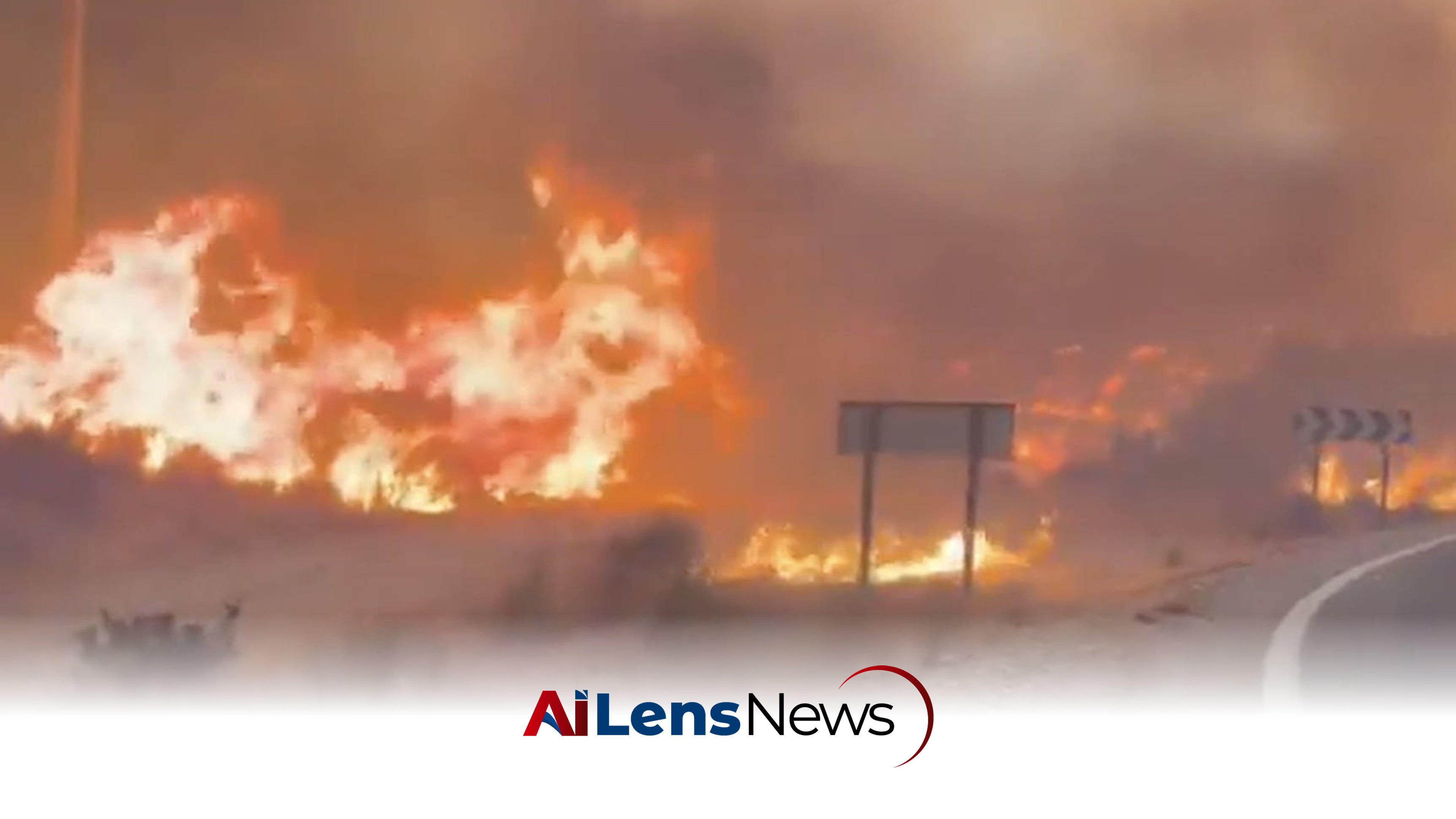


A survivor of the recent wildfire in Spain expresses deep concern for his wife and friends, who are unaccounted for after attempting to escape the flames.
London, United Kingdom Jul 14, 2026 ALN: A survivor of the devastating wildfire in Spain is grappling with the fear that his wife and friends may have perished while trying to escape the raging flames. The wildfire, which has swept through various regions, has left a trail of destruction and uncertainty. This incident is not an isolated occurrence; it reflects a growing trend of increasingly severe wildfires that have been observed across the globe, particularly in regions that have historically been prone to such natural disasters.
The survivor recounted the harrowing moments as the fire rapidly approached, forcing many to flee their homes. "I watched as the flames engulfed everything in their path, and I couldn't help but think of my loved ones who were still out there," he said, his voice trembling with emotion. This personal account underscores the psychological toll that such disasters take on individuals and families, leaving them not only to mourn potential losses but also to grapple with the trauma of the experience itself.
The wildfire has been fueled by extreme weather conditions, including high temperatures and strong winds. These conditions are often exacerbated by climate change, which has led to drier landscapes and longer fire seasons in many parts of the world. Emergency services have been working tirelessly to contain the blaze, but the situation remains precarious. The rapid spread of the fire has made it challenging for firefighters to establish control, and they have faced numerous obstacles, including difficult terrain and unpredictable weather patterns.
Local authorities have issued evacuation orders for several areas, urging residents to leave immediately. The urgency of these orders reflects the dangerous nature of the fire, which can change direction and intensity with little warning. Many have sought refuge in temporary shelters set up by the government, while others have chosen to stay behind in hopes of protecting their property. This decision to remain can be driven by a sense of duty or attachment to one’s home, but it also poses significant risks to personal safety.
The community has come together in the face of this disaster, with volunteers providing food, water, and support to those affected. Local businesses, non-profit organizations, and ordinary citizens have mobilized to offer assistance, demonstrating the resilience and solidarity that often emerges in times of crisis. "We are all in this together," one volunteer stated. "It's heartbreaking to see so many people in distress, but we are doing everything we can to help them." This type of collective action is essential not only for immediate relief but also for long-term recovery efforts.
In addition to providing basic necessities, community members have organized fundraisers and donation drives to support those who have lost their homes. Such initiatives highlight the importance of community resilience in the face of adversity. The emotional and psychological support offered by neighbors and friends can be just as critical as physical aid, helping individuals cope with the trauma of their experiences.
As the search for missing individuals continues, families are left anxiously waiting for news. The survivor expressed his hope that his wife and friends are safe, but the uncertainty weighs heavily on him. This emotional burden is compounded by the chaos of the situation, as families struggle to maintain hope while also preparing for the worst. Authorities have urged anyone with information about missing persons to come forward, as search teams comb through the affected areas. The community remains hopeful that more survivors will be found, and the ongoing search efforts are a testament to the commitment of local agencies and volunteers.
Search and rescue operations are often fraught with challenges, including the need to navigate hazardous conditions and the sheer scale of the area affected by the fire. Emergency responders must balance the urgency of finding missing individuals with the imperative of ensuring their own safety. As the situation evolves, the coordination between various agencies, including local law enforcement, fire departments, and volunteer organizations, becomes crucial for effective response efforts.
Wildfires have become a significant concern globally, with regions such as California, Australia, and the Mediterranean facing increasingly severe fire seasons. The interplay between climate change, land management practices, and urban development has made many areas more susceptible to wildfires. In Spain, the combination of high temperatures, prolonged droughts, and strong winds creates an environment ripe for such disasters.
The implications of these wildfires extend beyond immediate destruction. They pose threats to biodiversity, air quality, and public health. Smoke from wildfires can travel thousands of miles, affecting air quality in distant regions and leading to respiratory issues among vulnerable populations. The ecological impact can be profound, with habitats destroyed and wildlife displaced. Moreover, the economic costs associated with wildfires can be staggering, affecting local economies reliant on tourism and agriculture.
The wildfire in Spain serves as a stark reminder of the increasing frequency and intensity of such natural disasters. As climate change continues to influence weather patterns, communities around the world must adapt to the reality of living in fire-prone areas. This incident not only highlights the immediate dangers posed by wildfires but also raises important questions about long-term disaster management and urban planning. Effective strategies must be developed to mitigate the risks associated with wildfires, including better land management practices, improved early warning systems, and comprehensive evacuation plans.
Policymakers and urban planners are called to consider the lessons learned from such events to enhance preparedness and resilience for future incidents. This includes investing in firebreaks, controlled burns, and sustainable forestry practices to reduce fuel loads in vulnerable areas. Furthermore, community education about fire safety and preparedness can empower residents to take proactive measures to protect themselves and their property.
As the community rallies together to support one another, the survivor's story highlights the personal toll of this tragedy and the urgent need for effective disaster management and response strategies. It is imperative that communities are equipped with the resources and knowledge necessary to face the challenges posed by natural disasters, ensuring that they are not only able to respond effectively but also recover and rebuild in their aftermath. Ultimately, the resilience demonstrated in the face of adversity can serve as a powerful testament to the strength of community bonds and the human spirit, even in the darkest of times.
To learn more about the latest developments in Environmental Policy, stay updated with our exclusive reports and analyses on AiLensNews.

