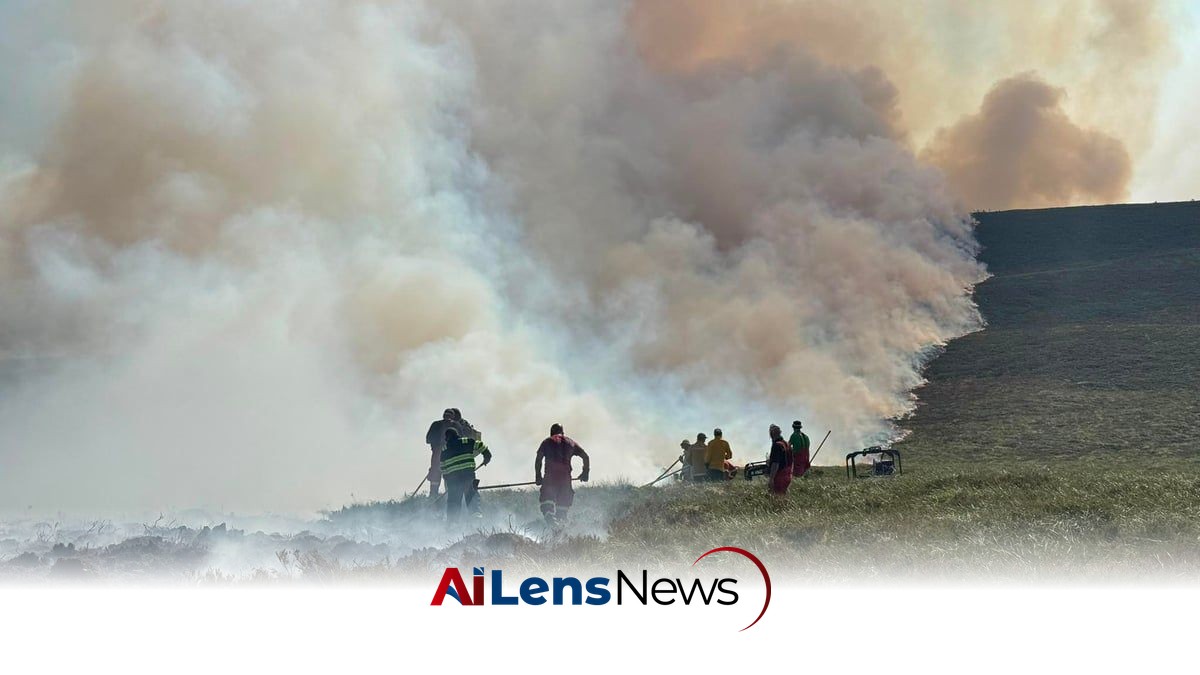


As wildfires rage across Scotland, concerns mount over the country's preparedness and response capabilities for such emergencies.
London, United Kingdom Jul 19, 2026 ALN: Scotland is currently grappling with a significant wildfire crisis, raising urgent questions about its preparedness to handle such disasters. The ongoing wildfires have prompted discussions about the adequacy of the country's firefighting resources, particularly the need for a dedicated aerial response team. This crisis is not an isolated incident but part of a broader trend observed in various regions around the world, where climate change has been linked to increasing wildfire frequency and intensity.
Recent reports indicate that the scale and frequency of wildfires in Scotland have increased, highlighting a shift in environmental conditions that demand a reevaluation of existing firefighting strategies. Experts argue that the current resources may not be sufficient to combat the growing threat posed by wildfires, which can devastate landscapes, wildlife, and communities. The changing climate, characterized by hotter temperatures and prolonged dry spells, creates an environment where wildfires can ignite more easily and spread rapidly.
‘Uncomfortable questions have been raised about whether Scotland is properly equipped for the wildfire era that is now clearly upon us,’ said a spokesperson from the Scottish Fire and Rescue Service. The organization has been actively involved in managing the current wildfires but acknowledges the limitations of ground-based firefighting efforts. These limitations become particularly apparent in remote and rugged terrains where access is challenging, and ground crews may struggle to reach the fire's location in a timely manner.
Wildfires not only pose immediate dangers but also have long-term ecological impacts. The destruction of habitats and the release of carbon emissions contribute to climate change, creating a vicious cycle that exacerbates future wildfire risks. The loss of biodiversity can lead to the destabilization of ecosystems, which are crucial for maintaining the balance of natural processes. Additionally, the smoke and pollutants generated by wildfires can affect air quality, posing health risks to nearby communities.
Many experts advocate for the introduction of aerial firefighting units, which can provide rapid response capabilities and cover large areas more effectively than ground crews alone. Countries with established aerial firefighting programs, such as the United States and Australia, have seen success in mitigating wildfire damage, and Scotland may benefit from adopting similar strategies. Aerial firefighting can involve the use of helicopters and fixed-wing aircraft equipped with water or fire retardant, allowing for quick and efficient deployment in emergency situations.
Local communities have begun to advocate for increased funding and resources dedicated to wildfire management. There is a growing call for the Scottish government to invest in aerial firefighting capabilities, ensuring that the country is better prepared for future wildfire seasons. Community engagement in wildfire preparedness is essential, as residents can play a role in fire prevention efforts and support local firefighting initiatives.
In response to these growing concerns, various stakeholders, including environmental organizations and local governments, are collaborating to develop comprehensive wildfire management plans. These plans may include measures such as controlled burns, improved land management practices, and community education programs aimed at raising awareness about wildfire risks and preparedness.
As the situation continues to evolve, it is clear that proactive measures are necessary to protect Scotland’s landscapes and communities from the devastating effects of wildfires. Without a dedicated aerial response, the country risks being unprepared for the challenges that lie ahead in this new era of wildfire threats. The integration of aerial firefighting resources into Scotland's emergency response framework could significantly enhance its ability to manage wildfires effectively.
In conclusion, the current wildfire crisis in Scotland serves as a wake-up call for authorities to reassess their firefighting strategies. Implementing aerial firefighting resources could be a crucial step in enhancing the country’s resilience against wildfires and safeguarding its natural heritage. As climate change continues to influence weather patterns and environmental conditions, the need for adaptive and forward-thinking approaches to disaster management has never been more pressing.
Moreover, the implications of inadequate wildfire management extend beyond immediate fire suppression. They encompass economic considerations, including the costs associated with property damage, loss of tourism, and the long-term recovery of affected areas. By investing in aerial firefighting and other preventive measures, Scotland can not only protect its natural landscapes but also ensure the safety and well-being of its communities, ultimately fostering a more sustainable and resilient environment for future generations.
Historically, Scotland has not faced the same level of wildfire threats as other regions, but the changing climate is altering that landscape. The increase in wildfires may also be linked to land use practices, such as forestry management and agricultural practices, which can influence the likelihood and severity of wildfires. Effective wildfire management requires a multifaceted approach that takes into account not just firefighting resources but also land management, community education, and environmental conservation.
In light of these considerations, it is essential for the Scottish government to engage in strategic planning that prioritizes both immediate response capabilities and long-term prevention strategies. This includes fostering partnerships between government agencies, local communities, and environmental organizations to create a unified approach to wildfire management. Additionally, public awareness campaigns can empower communities to take proactive measures in reducing wildfire risks, such as maintaining defensible space around properties and participating in local fire prevention initiatives.
Ultimately, the wildfire crisis in Scotland highlights a critical juncture in the country's approach to disaster management. As wildfires become more frequent and intense, the need for comprehensive, adaptive strategies is more important than ever. By investing in aerial firefighting capabilities and fostering community engagement, Scotland can not only enhance its wildfire response but also contribute to a broader movement toward environmental sustainability and resilience in the face of climate change.
To learn more about the latest developments in Climate Change, stay updated with our exclusive reports and analyses on AiLensNews.

