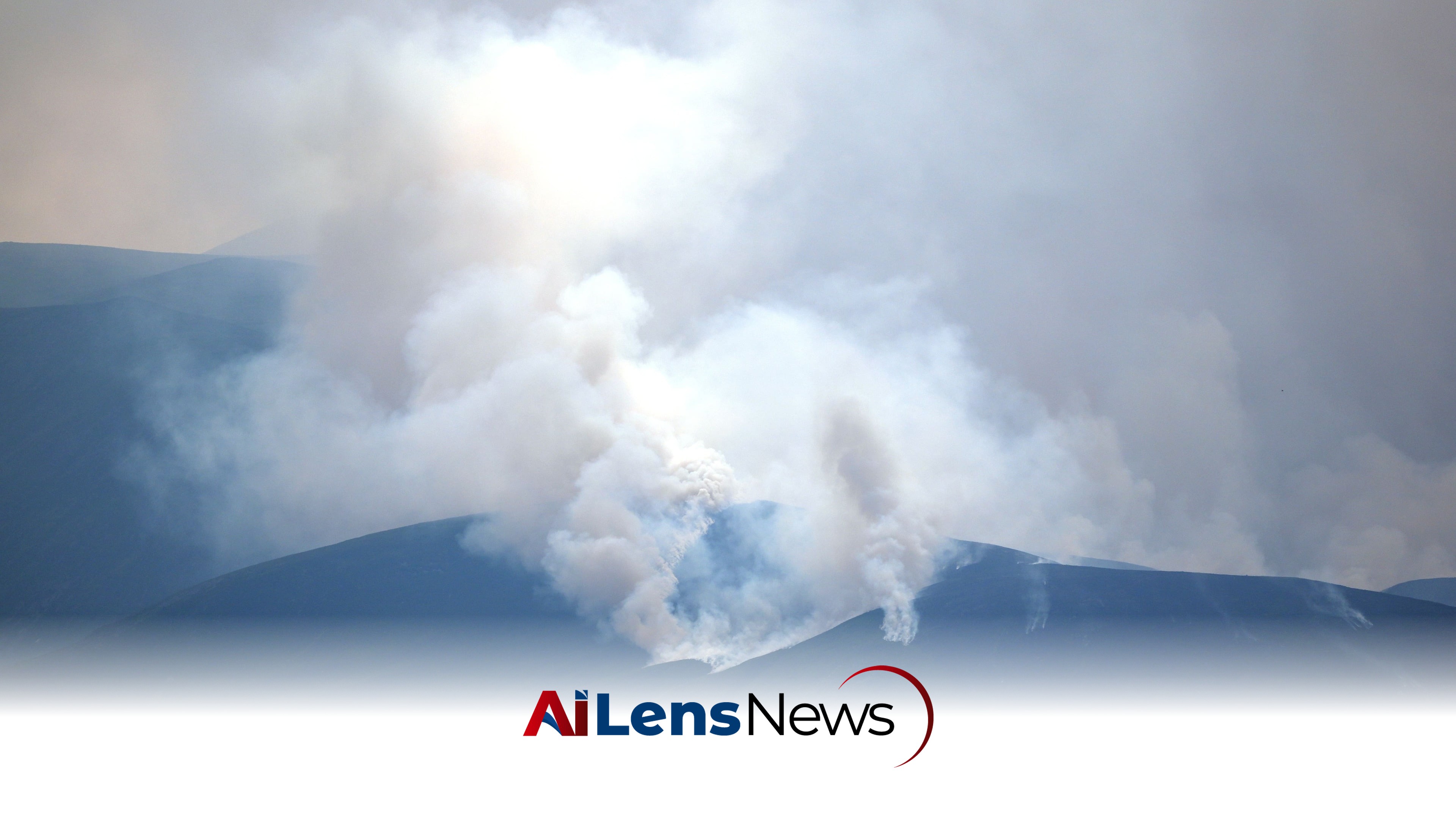


Firefighters are in their third day of battling a significant wildfire that has prompted evacuations in nearby communities.
London, United Kingdom Jul 17, 2026 ALN: Firefighters are entering their third day of efforts to control a significant wildfire that has led to the evacuation of several communities. The blaze, which ignited earlier this week, has rapidly spread due to dry conditions and strong winds, posing a serious threat to local residents and wildlife. Wildfires are a natural phenomenon that can occur in many regions, but the frequency and intensity of these events have increased in recent years, often attributed to climate change, drought conditions, and human activities. The growing incidence of wildfires has raised concerns among scientists and policymakers about the long-term implications for ecosystems, public safety, and air quality.
As of now, the wildfire has consumed thousands of acres of land, with containment efforts ongoing. Fire crews are working tirelessly to establish fire lines and prevent the flames from encroaching further into populated areas. The situation remains dynamic, with weather conditions playing a crucial role in the firefighting efforts. High temperatures, low humidity, and gusty winds are exacerbating the fire's spread, making it a complex and challenging incident for firefighting teams. Firefighters are utilizing various strategies, including backburning, which involves intentionally igniting controlled fires to eliminate fuel in the path of the wildfire. This technique is essential in preventing the wildfire from spreading uncontrollably and is a testament to the strategic planning involved in modern firefighting.
Authorities have issued mandatory evacuation orders for several neighborhoods in the vicinity of the fire. Residents are urged to follow these orders to ensure their safety. Emergency services are on standby to assist those affected, providing shelter and resources for displaced families. Evacuation centers have been established in local schools and community centers, where evacuees can find temporary housing, food, and medical assistance. The emotional toll of evacuations can be significant, as families are often forced to leave their homes, pets, and belongings behind in the face of danger. The psychological impact of such events can linger long after the flames are extinguished, necessitating ongoing support for those affected.
The local community has rallied together to support those impacted by the wildfire. Donations of food, clothing, and other essentials are being collected at various locations. Community leaders are coordinating efforts to provide assistance and ensure that evacuees have access to necessary services. Local businesses are also stepping up, offering free meals and services to those affected. This spirit of solidarity is crucial during such challenging times, as it fosters a sense of hope and resilience among those facing displacement and uncertainty. Many community members are volunteering their time to help organize donation drives, provide transportation for evacuees, and offer emotional support to those in distress. Such community efforts highlight the importance of social cohesion in times of crisis and the role of local networks in disaster response.
Firefighters from multiple agencies are collaborating to combat the blaze. Ground crews are supported by aerial firefighting units, which are dropping water and fire retardant to help slow the spread of the flames. Despite the challenges posed by the terrain and weather, firefighters remain committed to protecting lives and property. The coordination among various firefighting agencies, including local fire departments, state agencies, and federal resources, is essential for an effective response. Firefighters often work long hours in hazardous conditions, facing extreme heat and smoke, and their bravery and dedication are commendable. Equipment such as bulldozers and fire engines are being utilized to create firebreaks and control the fire's perimeter, while helicopters and air tankers assist from above. The use of technology in firefighting, including drones for surveillance and mapping, has also become increasingly common, allowing teams to make informed decisions about where to allocate resources.
Officials are closely monitoring the situation and providing regular updates to the public. Residents are encouraged to stay informed through official channels and to prepare for potential changes in evacuation orders as the firefighting efforts continue. As the battle against the wildfire persists, the resilience and cooperation of the community and emergency services are vital in overcoming this challenging situation. Meteorologists are also closely watching weather patterns, as changes can significantly impact firefighting strategies. The potential for increased humidity or a shift in wind direction could either aid in containment efforts or exacerbate the fire's progression. Understanding these meteorological factors is crucial for effective firefighting, as they can influence not only the fire's behavior but also the safety of the firefighting crews.
In addition to immediate firefighting efforts, discussions are ongoing about long-term recovery and rebuilding once the fire is contained. The impact of wildfires extends beyond the immediate danger; they can lead to significant ecological changes, loss of habitat for wildlife, and long-lasting effects on air quality. Community leaders are already beginning to think about the resources needed for recovery, including financial assistance for those who have lost homes and businesses. Environmental assessments will also be necessary to understand the fire's impact on local ecosystems and to develop strategies for rehabilitation. The recovery process will likely require collaboration between local, state, and federal agencies to ensure that affected communities receive the support they need.
As the firefighting efforts continue, the community's resilience is being tested. The collective response demonstrates the strength of local bonds and the importance of preparedness in the face of natural disasters. Residents are reminded to have emergency plans in place, including evacuation routes and communication strategies with family members. The lessons learned from this wildfire could inform future preparedness efforts, emphasizing the need for ongoing education about fire safety and emergency response. Community workshops and training sessions could be beneficial in equipping residents with the knowledge and skills necessary to respond effectively in the event of future wildfires.
In conclusion, the current wildfire situation highlights not only the immediate dangers posed by such events but also the broader implications for communities, wildlife, and the environment. As firefighters work diligently to contain the blaze, the support and cooperation of the community will be crucial in navigating the challenges ahead. The resilience shown by individuals and families during this crisis will play a significant role in the recovery process, as they come together to rebuild and heal in the aftermath of the wildfire. The experience gained from this incident will likely contribute to improved strategies for managing wildfires in the future, emphasizing the importance of preparedness, community involvement, and environmental stewardship in mitigating the impacts of such natural disasters.
To learn more about the latest developments in Environmental Policy, stay updated with our exclusive reports and analyses on AiLensNews.

