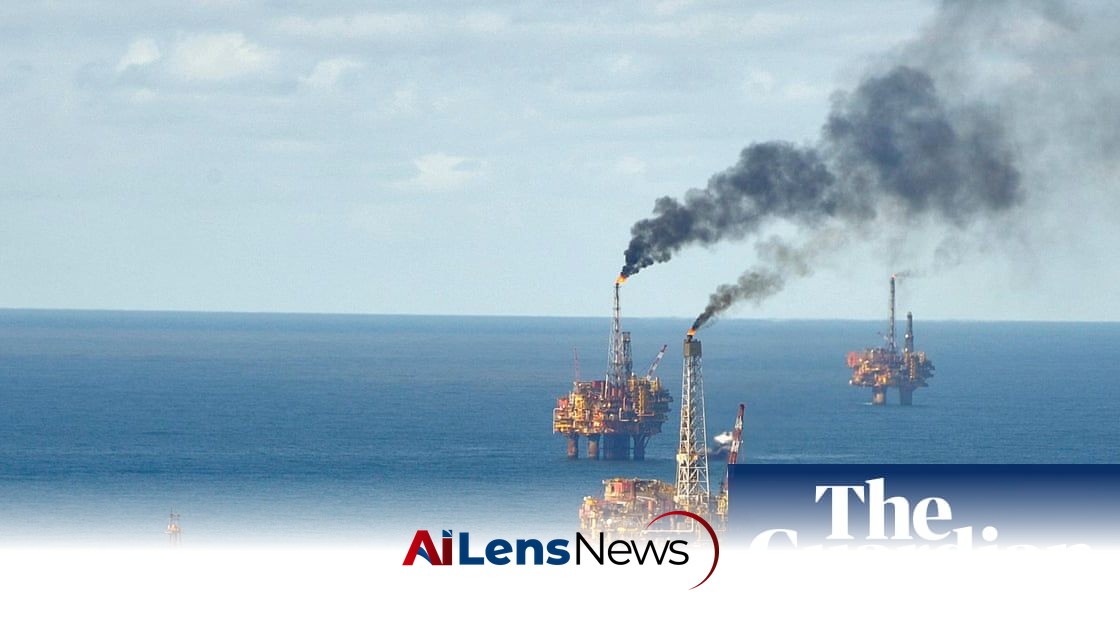


Production at the Rosebank oilfield, the UK's largest undeveloped site, faces significant delays following an equipment drop in the North Sea, impacting energy security.
London, United Kingdom Jul 25, 2026 ALN: Production at Britain’s biggest undeveloped oil and gasfield, Rosebank, could be delayed for months after equipment from a rig was accidentally dropped in the North Sea. This incident raises concerns as the new government under Prime Minister Andy Burnham faces pressure from the fossil fuel industry to expedite oil retrieval despite opposition from climate campaigners and some Labour MPs.
Located approximately 80 miles north-west of Shetland, Rosebank was expected to begin oil production before the end of the year, pending ministerial approval. However, the company responsible for the field, Adura, now anticipates that production will not commence until 2027. Industry estimates suggest that the field could yield around 300 million barrels of oil over its projected 25-year lifespan. The delay has significant implications for the UK’s energy strategy, particularly in light of the ongoing global energy crisis exacerbated by geopolitical tensions and the transition toward renewable energy sources.
Some MPs argue that increasing domestic oil and gas production could alleviate the cost of living crisis by enhancing energy security amidst global instability. The rationale behind this argument is that by tapping into domestic resources, the UK could reduce its reliance on imported energy, which has become increasingly volatile due to factors such as the war in Ukraine and sanctions on Russian energy supplies. Conversely, green campaigners contend that the economic benefits of exploiting such fields would be minimal and detrimental to environmental efforts. They argue that the long-term consequences of fossil fuel extraction, including greenhouse gas emissions and ecological degradation, outweigh any short-term economic gains.
The recent mishap means that production at Rosebank is unlikely to contribute to the UK’s energy supply during the upcoming winter months. This is particularly concerning given that the UK has been striving to bolster its energy reserves as winter approaches. Licences for Rosebank and another site, Jackdaw, were granted under the previous Conservative government but operations were halted following a court challenge from environmental groups. The legal challenges highlight the growing tension between the fossil fuel industry and environmental advocates, who are increasingly vocal about the need for a swift transition to sustainable energy sources.
The new energy secretary, Miatta Fahnbulleh, is expected to make a decision regarding the future of these fields after consultations on their emissions conclude in August. Earlier this week, Adura indicated that the Jackdaw site, located about 150 miles east of Aberdeen, could begin gas production as early as October. The juxtaposition of Jackdaw's potential production timeline against Rosebank's delays underscores the complexities of managing the UK's energy portfolio amid competing interests and environmental concerns.
However, preparations for oil production at Rosebank have been significantly hindered by the rig incident, which occurred on April 18. Fortunately, no workers were injured, but two critical pieces of drilling equipment, including a safety valve, fell 1,100 meters to the seabed. This incident not only delays production but also raises questions about the safety protocols and operational standards of offshore drilling, an area that has historically faced scrutiny following accidents and environmental disasters in the North Sea.
The platform, leased by Adura from Norwegian company Odfjell Drilling, was sent to a shipyard in Bergen for repairs and has since returned to Rosebank but remains non-operational. Odfjell Drilling has indicated that the rig could be out of action for up to four months, leading to substantial delays in completing some oil wells. The operational downtime not only impacts the immediate timeline for production but could also have financial repercussions for Adura and its stakeholders, including potential penalties or increased costs associated with extended delays.
Burnham is facing mounting calls from trade unions and opposition parties to boost North Sea production. Some Labour MPs warn that the oil and gas industry, particularly in Aberdeen, could face collapse without new investments. The economic implications of the industry's stability are significant, as many communities in the region rely heavily on jobs and economic activity generated by the oil and gas sector. Sally Jameson, a Cabinet Office minister, has also argued that increasing domestic oil and gas production would grant Britain greater control over energy costs. However, critics fear that such actions would have little impact on energy bills while causing significant environmental harm.
Mike Reader, part of the Labour Environment Campaign, has stated that there is no evidence to suggest that new drilling would lead to long-term job creation. A recent environmental impact assessment filed by Adura revealed that only 27 direct full-time jobs would be created by the Jackdaw project, one of the largest gasfields remaining in the North Sea. This raises questions about the sustainability of job creation in the fossil fuel sector, especially as the UK government aims to transition to greener energy sources.
Ed Miliband, the new foreign secretary, previously criticized the Rosebank proposals as “climate vandalism” during Labour's time in opposition. However, recent discussions have reportedly taken place on how to permit new drilling without violating Labour’s 2024 manifesto commitments, which pledged not to issue new licences while honoring existing ones. This presents a complex political landscape for the Labour government, as it navigates the competing pressures of environmental commitments and economic demands from the energy sector.
Several environmental groups are contemplating legal action against any government decision to permit new drilling. Angeliki Papantoniou, an environmental law lecturer at the University of Hull, noted that while a fresh challenge would be difficult, it could succeed if based on substantial environmental concerns such as ecosystem disruption, pollution, and health impacts. The potential for legal challenges underscores the contentious nature of fossil fuel extraction in the UK and the increasing willingness of environmental advocates to pursue litigation as a means of influencing policy.
“It could be argued that these developments cannot be ignored when making decisions with likely high environmental effects,” she stated. “In theory, it could be challenging for [Fahnbulleh] to assert that [the government] took all necessary precautionary measures without detailed risk assessments on the effects of drilling on the marine environment, climate, and human health.” This highlights the need for comprehensive environmental assessments and public consultations in the decision-making process surrounding fossil fuel projects.
Areeba Hamid, co-executive director of Greenpeace, which previously challenged the initial decision to grant licences, emphasized that approval for the fields would make “zero difference” to energy bills and generate few jobs. “Despite these meager benefits, we would be prolonging a polluting industry that’s fueling heatwaves while sending a disastrous signal to our international allies,” she remarked. This sentiment reflects a broader concern among environmentalists regarding the UK's commitment to climate goals and the potential repercussions of continuing fossil fuel extraction in the face of a climate crisis.
Odfjell Drilling declined to comment on the situation, and Adura did not respond to requests for comment. The lack of communication from the companies involved may further fuel public and political scrutiny as stakeholders await clarity on the future of Rosebank and its role in the UK’s energy landscape. As the government weighs its options, the balance between economic interests and environmental stewardship remains a contentious issue that will require careful consideration and transparent dialogue with all parties involved.
To learn more about the latest developments in Renewable Energy, stay updated with our exclusive reports and analyses on AiLensNews.

