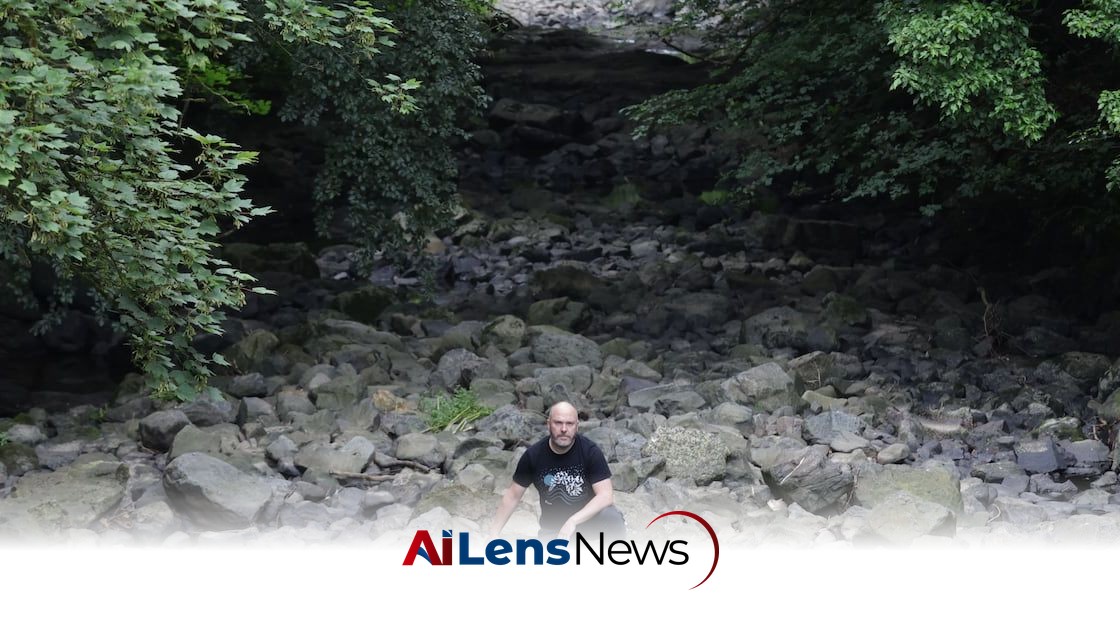


Anglers in Co Antrim express alarm over the Crumlin River's alarming decline, citing a decade of drying up and regulatory failures.
London, United Kingdom Jul 19, 2026 ALN: The Crumlin River, a significant tributary in the Lough Neagh catchment area of County Antrim, Northern Ireland, is facing an ecological crisis that has raised alarms among local anglers and environmental advocates. Over the past decade, a concerning trend has emerged: approximately 500 meters of the river has been drying up each year during the summer months. This phenomenon has been described by members of the Crumlin and District Angling Association (CDAA) as a “slow death” of the river’s ecosystem, which is alarming not only for the fish populations that inhabit it but also for the broader wildlife that relies on the river’s health.
The Crumlin River serves as an essential waterway, providing habitat for various fish species, including the migratory endangered Atlantic salmon and the native dollaghan. Additionally, the river supports a diverse range of wildlife along its banks, including otters and kingfishers, which play crucial roles in maintaining the ecological balance of the region. The reduction in water flow and the drying up of stretches of the river could have devastating effects on these species, as well as on the overall health of the ecosystem.
Members of the CDAA have observed that for the past nine summers, significant portions of the river have completely dried up, leading to concerns about the long-term viability of the aquatic life that depends on it. The anglers attribute this troubling trend to what they describe as a “failure” of the Department for Agriculture, Environment and Rural Affairs (DAERA) to adequately enforce water abstraction regulations in the area. Water abstraction refers to the removal of water from natural sources like rivers and lakes for various uses, including agricultural and industrial purposes. Under current regulations, any entity that abstracts more than 20 cubic meters of water per day is required to obtain a license from DAERA.
DAERA has acknowledged that excessive water removal can lead to a multitude of environmental issues. These include reduced water flow, depletion of water resources, increased stress or mortality rates among fish and invertebrates, heightened pollution risks due to decreased dilution, and significant damage to surrounding landscapes. The implications of these issues extend beyond the immediate vicinity of the river, as they can affect the broader Lough Neagh ecosystem, which is the largest freshwater lake in Ireland and serves as a vital resource for both wildlife and human communities.
In a notable development in 2024, the Office for Environmental Protection (OEP) in London responded to a formal complaint lodged by the CDAA regarding the Northern Ireland Environmental Agency’s (NIEA) adherence to water abstraction regulations at the Crumlin River. The OEP concluded that the NIEA “may have failed to comply with environmental law” in fulfilling its enforcement obligations, a ruling that was deemed to be “potentially serious.” Although a formal investigation was not initiated, the NIEA has been instructed to publish six-month action plans addressing the situation, indicating the gravity of the concerns raised.
David Kennedy, the vice chair of the CDAA, expressed frustration over the prolonged nature of the issue, stating that the problems affecting the Crumlin River have persisted for nearly a decade. He emphasized that despite repeated efforts to engage with DAERA, little progress has been made in addressing the underlying causes of the river’s deterioration. Kennedy remarked on the slow pace of action, highlighting the need for more effective policies and regulations to safeguard the river and its ecosystem.
Moreover, Kennedy pointed out that the challenges faced by the Crumlin River are not isolated; they reflect a broader trend affecting various bodies of water across the region. He called for radical changes in water management policies, including the introduction of a new abstraction policy and the forthcoming Fisheries and Water Environment bill, which he believes must address these pressing issues to ensure the sustainability of waterways for future generations.
The annual drying up of sections of the riverbed in Crumlin is particularly critical for maintaining river connectivity for migratory species such as salmon, trout, and eels. Kennedy explained that the loss of significant portions of the river each year disrupts the natural migratory patterns of these fish, which rely on unobstructed access to their spawning grounds. The trapped pools of water that remain become increasingly vulnerable to predation from local wildlife, including herons and otters, leading to further declines in fish populations. This cascading effect contributes to what Kennedy describes as the “slow death of the Crumlin River.”
While Kennedy acknowledges that the ecological issues facing the Crumlin River are distinct from those affecting Lough Neagh, he asserts that they are interconnected. He advocates for a holistic approach to environmental management, positing that restoring the health of the rivers will ultimately benefit the Lough. According to Kennedy, rivers serve as critical corridors for wildlife, bringing nutrients and supporting populations of species that are vital to the overall health of the ecosystem. He notes that eels, salmon, and the native dollaghan in Lough Neagh utilize the rivers as pathways for migration and sustenance, making the health of these waterways paramount for the survival of these species.
A spokesperson for DAERA has confirmed that the department is aware of the ongoing issues affecting the Crumlin River and is currently taking enforcement action. However, the spokesperson noted that this action is subject to appeal, which limits their ability to provide further comment at this time. The situation underscores the complex interplay between environmental regulation, water management, and the health of ecosystems, as stakeholders continue to navigate the challenges posed by water abstraction and its implications for biodiversity.
As the Crumlin River continues to face significant ecological challenges, the calls for urgent action from local anglers and environmental advocates highlight the need for a comprehensive and proactive approach to water management. The future of the river, its wildlife, and the broader ecosystem of Lough Neagh may depend on the ability of regulatory bodies to enforce existing laws effectively and to implement new policies that prioritize sustainability and ecological integrity. The situation serves as a critical reminder of the importance of protecting natural resources and the delicate balance that exists within our ecosystems.
To learn more about the latest developments in Conservation, stay updated with our exclusive reports and analyses on AiLensNews.

