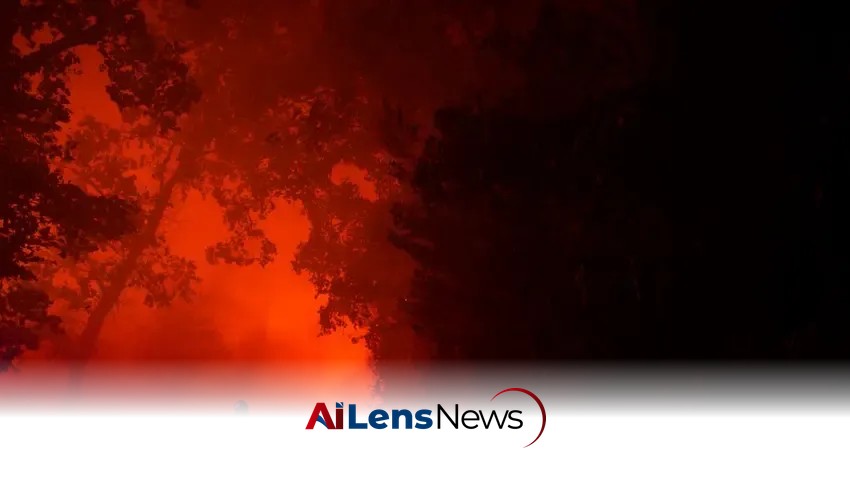


France is experiencing a surge in severe wildfires this summer, with thousands of hectares already burned. This article explores the causes and implications.
London, United Kingdom Jul 24, 2026 ALN: We're only halfway through the summer but already France has seen hundreds of wildfires, some of them extremely severe forcing mass evacuations. The alarming frequency and intensity of these fires have raised concerns not only among local populations but also among environmental scientists and policymakers.
Interior Minister Laurent Nuñez said on July 22nd that France had recorded 12,500 wildfire outbreaks since the start of 2026, adding that 44,000 hectares have already burned this year - more than the total area burned in 2025. This staggering statistic illustrates a concerning trend, as wildfires become a more common occurrence across the nation. The year 2022 was the worst on record for wildfires in France. In total, 72,000 hectares, or an area seven times the size of Paris, burned over the summer, leaving lasting scars on the landscape and communities.
France is not alone; its neighbours Spain and Italy have also recorded severe, fatal wildfires this summer while on the other side of the Mediterranean there have been major fires in Morocco and Algeria. This regional crisis highlights the interconnectedness of climate issues and the shared vulnerabilities of Mediterranean countries, which are increasingly facing the harsh realities of climate change.
But are these fires connected to heatwaves and the overall increase in temperatures? The evidence suggests a strong correlation between rising temperatures, prolonged heatwaves, and the frequency and severity of wildfires. As the planet warms, the conditions that foster wildfires become more prevalent, leading to a worrying cycle of destruction.
Human activity
Overall, 90 percent of fires are caused by humans - either deliberately or accidentally. This statistic underscores the significant role that human behavior plays in the ignition of wildfires. Several people have been arrested for deliberately starting blazes in 2026, including a volunteer firefighter who is accused of starting one of the fires that led to a wildfire in the Forest of Fontainebleau, just south of Paris. These incidents of arson, while a small minority, can have devastating effects, particularly in regions already vulnerable to fire outbreaks.
However, most wildfires are started accidentally by humans. Actions like casually throwing away a lit cigarette or having a BBQ in the middle of a forest are obviously irresponsible, but they are not the only factors at play. Heatwaves can increase the risk of fires starting in other ways. Discarded glass can refract the sun and start fires, and when it's really hot, even parking your car among long grass can ignite a blaze, as the heat from the exhaust can cause parched grasses to catch fire. Agricultural vehicles sometimes cause fires in this way when driving onto parched land, while sparks from a road-mending crew are believed to have caused another of the Fontainebleau fires.
Weather
But it's weather and climate conditions that turn fires into wildfires - in other words, turning a small, containable blaze into the huge wildfires that devour thousands of hectares of ground and require people to be evacuated from the area. These kinds of fires can spread very quickly and are extremely difficult to combat, often requiring aerial bombardment of water. The challenges faced by firefighting services are immense, as they must contend with not only the immediate threat of flames but also the unpredictable nature of wind and weather patterns that can exacerbate the situation.
While hot temperatures make it more likely that fires will start, it is drought conditions that cause the fires to spread. Parched vegetation with no moisture catches fire extremely easily, and in the height of summer, large parts of the south of France are in this condition. This vulnerability is exacerbated by the fact that many regions have experienced prolonged periods without significant rainfall, leading to a buildup of dry, combustible materials.
This is not a new phenomenon; it's why there has always been a wildfire 'season' in the hottest months of the year and why wildfires are rare in winter. However, the increasing severity and frequency of these fires indicate a shift in the patterns that have historically defined wildfire seasons.
What's changed?
Obviously wildfires are not new - in October 1970, 11 people perished near France's far southeastern border with Italy, and in 1985 a new inferno in the same area killed five volunteer firefighters. Changes to firefighting techniques mean that these days deaths are more unusual - but the fires themselves are getting more common, bigger, and occur over a wider geographical area. The general trend for a warming planet means that summers are longer and hotter, with heatwaves more common, creating an environment ripe for wildfires.
Moreover, the changing weather patterns also mean that drought is more widespread, which leads to more parched vegetation that can easily catch fire. In 2022, the wildfires were unusual not only for their size and ferocity but for their geographical spread - traditionally they usually occur in the south of France, but the summer of 2022 saw at least one fire in 90 of France's 96 mainland départements, including relatively cool northern areas like Brittany. This shift in fire occurrence raises critical questions about land management practices and the resilience of ecosystems.
For 22 French départements, the amount of land burned in 2022 increased significantly - representing at least 10 times more than the usual yearly average amount burned - according to Le Monde. The French environment minister states that: "The whole of the territory [of France] is particularly vulnerable to the risk of fires." This vulnerability is a wake-up call for authorities to reconsider their strategies for managing land and preventing fires.
Will this trend continue?
Predicting the future is always difficult, but fire chiefs and politicians are worried and are planning for a future in which wildfires are bigger and more dangerous. "The effects of climate change... mean the fire risk area will get bigger, the high-risk season will get longer, and weather conditions that could trigger very large wildfires will occur increasingly often," Jean-Luc Beccari, head of the fire and emergency services in the Bouches-du-Rhone region near Var, told AFP. This statement reflects a growing consensus among experts that proactive measures need to be taken to address the escalating threat of wildfires.
Another risk is the resilience of the forests themselves. "Because of climate change we're already seeing trees die off," adds Marion Toutchkov, an expert in wildfire defence at the Office national des fôrets. "We're going to find ourselves with forests containing lots of dead trees. And dead trees mean dry wood and more combustible vegetation." This cycle of degradation not only increases the risk of wildfires but also undermines the ecological health of forests, which play a crucial role in carbon sequestration and biodiversity.
Other climate effects have an impact too - for example, a wildfire in the Alps in 2026 spread rapidly through an area of dead trees, which had been uprooted in an avalanche during the winter. Such incidents highlight the interconnected nature of climate events and their cumulative impact on ecosystems and human communities.
A UN report projects that wildfires in Europe will increase by 30 percent by 2050. This projection serves as a stark reminder of the urgent need for comprehensive climate action and the importance of investing in sustainable land management practices. As the world grapples with the realities of climate change, the lessons learned from France's wildfires could serve as a crucial case study for other nations facing similar challenges.
To learn more about the latest developments in Environmental Policy, stay updated with our exclusive reports and analyses on AiLensNews.

