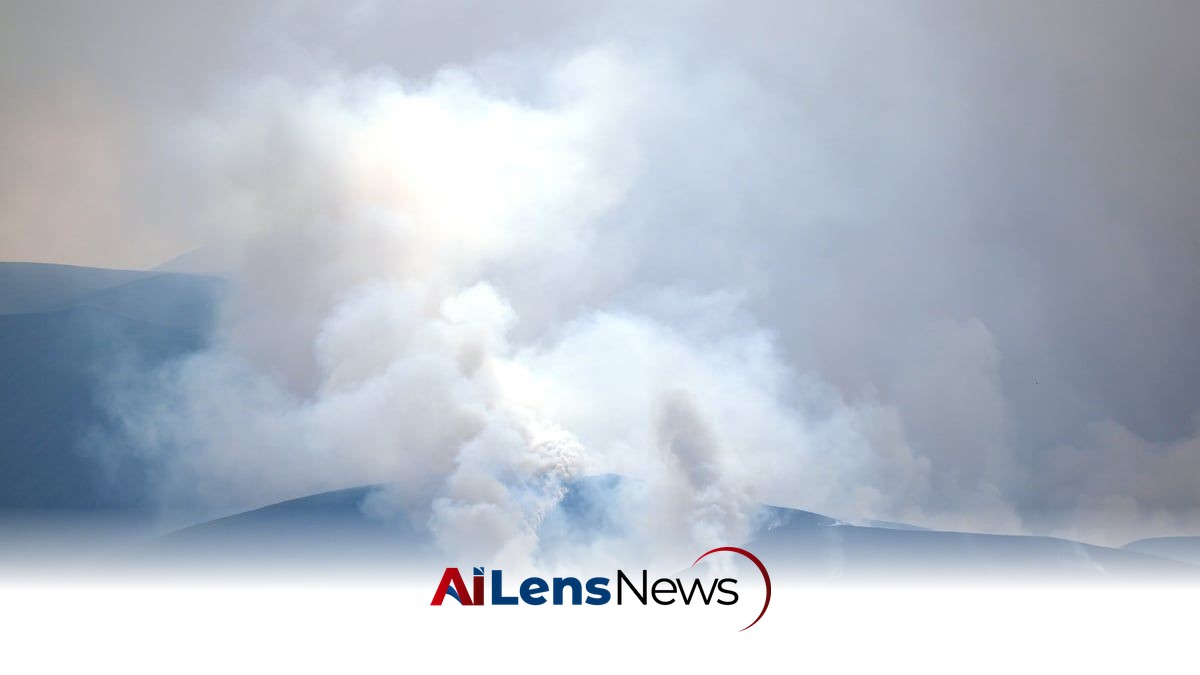


High winds and changing weather conditions have exacerbated the Cairngorms wildfire, prompting calls for military support to manage the crisis.
London, United Kingdom Jul 24, 2026 ALN: The Cairngorms region, known for its stunning landscapes and rich biodiversity, is currently facing a severe wildfire crisis that has prompted urgent calls for military assistance. High winds and rapidly changing weather conditions have exacerbated the situation, causing significant flare-ups and enabling the flames to spread further into the delicate ecosystems and nearby communities.
This wildfire, which has been raging for several days, poses an alarming threat not only to the local environment but also to the safety of residents in the area. The Cairngorms National Park, which encompasses a vast area of the Scottish Highlands, is home to diverse wildlife, including rare species and unique habitats. The potential destruction of these natural resources raises concerns about long-term ecological impacts, which could take years to recover from. The region's ecosystems are not only vital for local biodiversity but also play a crucial role in carbon storage and climate regulation.
Emergency services, including local fire brigades and specialized wildfire response teams, have been working tirelessly around the clock to contain the blaze. However, the unpredictable weather has made their efforts increasingly challenging. Firefighters have reported that the flames have spread rapidly due to gusty winds, complicating containment strategies. The combination of dry conditions and strong winds creates a perfect storm for wildfires, as it allows flames to jump from one area to another, making it difficult for firefighters to establish control lines. The current fire situation is reminiscent of previous wildfire incidents that have plagued various regions, highlighting the increasing frequency of such events.
In light of these challenges, local authorities have now made a formal appeal for military support to bolster firefighting efforts. The involvement of the army is viewed as a crucial step to enhance resources and manpower in tackling the wildfire effectively. Military personnel are often trained in various emergency response scenarios, and their assistance could provide much-needed relief to overwhelmed local fire services. The deployment of military resources could include aerial support, ground crews, and logistical assistance, all of which are vital in combating the ongoing crisis. Historically, military assistance has proven beneficial in similar situations, providing specialized skills and equipment that can significantly increase the effectiveness of firefighting efforts.
As the situation develops, residents are being advised to stay alert and closely follow safety guidelines issued by emergency services. Evacuation orders have been issued in certain areas, and local officials are urging residents to prepare for the possibility of further evacuations if the fire continues to spread. The community is rallying together, with many volunteers stepping up to offer assistance to those affected by the fire. Local organizations and charities are also mobilizing to provide food, shelter, and emotional support for evacuees and those whose homes have been threatened. This spirit of community resilience is critical in times of crisis, as it fosters a sense of solidarity and support among those impacted by the disaster.
Officials are closely monitoring the weather conditions, hoping for a change that could help mitigate the spread of the flames. Rainfall, in particular, would be beneficial in dampening the dry ground and reducing the fire's intensity. However, forecasts remain uncertain, and the need for immediate action is critical. In the meantime, the focus remains on protecting lives and property in the Cairngorms area. The unpredictability of weather patterns in recent years has raised questions about the effectiveness of current forecasting methods, emphasizing the need for improved meteorological services and technology to better predict and respond to such disasters.
The implications of this wildfire crisis extend beyond immediate firefighting efforts. The Cairngorms region is a significant tourist destination, attracting visitors for its natural beauty, hiking trails, and wildlife watching. A prolonged wildfire could deter tourists, leading to economic repercussions for local businesses that rely on seasonal visitors. Furthermore, the environmental impact of the fire could have lasting effects on the region's ecosystem, potentially altering habitats and threatening wildlife populations. The economic ramifications could extend to local employment, as many jobs are tied to tourism and outdoor recreation, which could see a downturn if access to the park is restricted.
Wildfires are becoming increasingly common in various parts of the world, often linked to climate change and extreme weather patterns. The Cairngorms wildfire serves as a stark reminder of the growing frequency and intensity of such events, highlighting the need for robust emergency preparedness and response strategies. As climate conditions continue to evolve, regions like the Cairngorms may need to adapt their approaches to wildfire management, including enhanced forest management practices, community education on fire safety, and improved coordination between local and national agencies. The lessons learned from this crisis could inform future policies and practices aimed at preventing similar disasters.
In conclusion, the current wildfire crisis in the Cairngorms region underscores the urgent need for military assistance to combat the flames effectively. As emergency services work tirelessly to protect lives and property, the community's resilience and solidarity shine through in these challenging times. The situation remains fluid, and continued vigilance and preparedness will be essential in the days ahead as authorities strive to bring the wildfire under control and safeguard the unique environment of the Cairngorms. The ongoing crisis serves as a critical juncture for discussions on climate resilience, emergency preparedness, and the importance of community engagement in disaster response efforts.
To learn more about the latest developments in Environmental Policy, stay updated with our exclusive reports and analyses on AiLensNews.

