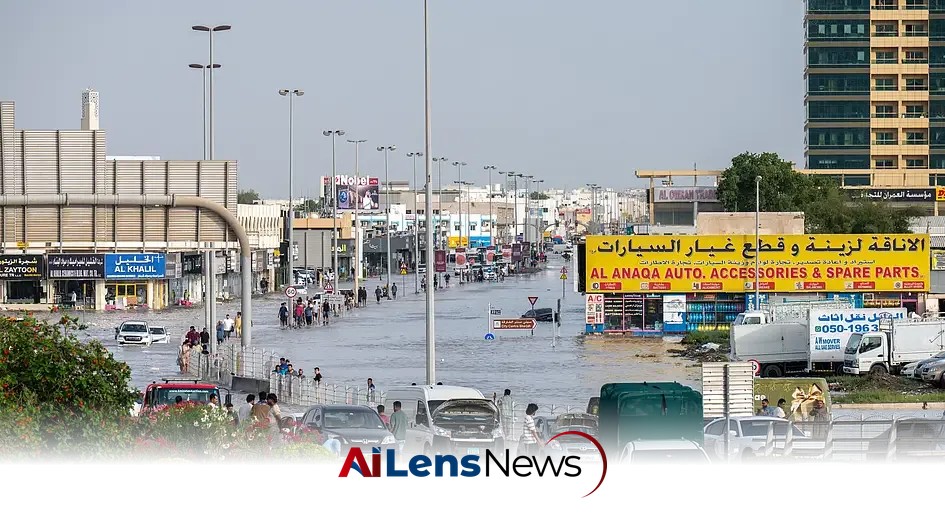


The El Niño phenomenon is expected to influence UAE's weather, potentially leading to increased humidity and autumn rainfall, alongside global weather changes.
Abu Dhabi, United Arab Emirates Jul 16, 2026 ALN: The United Arab Emirates (UAE) is currently facing the prospect of significant weather changes due to the developing El Niño phenomenon. This climatic event, which is characterized by the warming of ocean surface temperatures in the central and eastern Pacific, is known for its profound impacts on global weather patterns. The UAE, with its unique geographical and climatic conditions, may experience notable shifts in weather, particularly as the region transitions into autumn. Understanding these changes is crucial for residents, policymakers, and businesses alike, as they prepare for the potential impacts on daily life, agriculture, and public health.
As El Niño develops, meteorologists are closely monitoring its potential effects on the UAE's climate. Historically, this phenomenon has been associated with increased humidity levels and significant variations in rainfall patterns during the autumn months. The implications of these changes can be profound, affecting not only daily weather but also agricultural practices, water resources, and even public health. With the UAE's reliance on a stable climate for its economy and lifestyle, the potential for disruption calls for heightened awareness and preparedness.
El Niño is part of a larger climate pattern known as the El Niño-Southern Oscillation (ENSO), which consists of three phases: El Niño, La Niña, and the neutral phase. This phenomenon typically occurs every two to seven years and can last for several months, with varying intensity. During El Niño years, the effects can be felt globally, leading to extreme weather conditions such as droughts, heavy rainfall, and heatwaves. The mechanism behind El Niño involves changes in wind patterns and ocean currents, which can disrupt typical weather systems across the globe.
As ocean waters warm during an El Niño event, a cascade of effects can unfold. For instance, it can alter the jet stream, a major driver of weather patterns in the mid-latitudes. This alteration can lead to unusual weather events, including increased precipitation in some regions and drought in others. Understanding these dynamics is crucial for predicting how El Niño will influence specific areas, including the UAE, which is situated in a region already characterized by extreme temperatures and limited rainfall.
In the UAE, the onset of El Niño could lead to several significant changes in weather patterns:
Globally, El Niño is linked to a range of weather phenomena. Regions that typically experience drought may see increased rainfall, while areas accustomed to heavy precipitation may face drier conditions. For instance, countries in Southeast Asia often report droughts during strong El Niño events, while parts of South America may experience flooding. The interconnectedness of these weather patterns illustrates the complexity of global climate systems and highlights how changes in one region can have far-reaching effects elsewhere.
In addition to affecting precipitation and temperature, El Niño can also influence tropical cyclone activity. Research has shown that the phenomenon can enhance or suppress hurricane formation in different ocean basins. Understanding these dynamics is essential for disaster preparedness and response in regions prone to tropical storms. For the UAE, which is not typically in the direct path of hurricanes, the implications of tropical cyclone activity could still be felt in terms of changes in wind patterns and secondary weather effects.
As the UAE prepares for the possible impacts of El Niño, authorities are urged to enhance their preparedness strategies. This includes monitoring weather forecasts closely and implementing measures to mitigate the effects of increased rainfall and humidity. The UAE's National Center of Meteorology plays a crucial role in providing timely weather updates and alerts, which can help residents and businesses take appropriate precautions. Regular updates are vital for ensuring that the public is informed about potential risks and can take necessary actions to protect themselves and their property.
Infrastructure improvements may also be necessary to address potential flooding risks. This could involve upgrading drainage systems, enhancing flood control measures, and ensuring that emergency services are equipped to respond to weather-related incidents. The UAE has made significant investments in infrastructure over the years, but the unpredictable nature of weather patterns necessitates ongoing assessments and improvements. Public awareness campaigns can further educate residents about the potential impacts of El Niño and the importance of preparedness, fostering a culture of resilience.
While the exact impacts of El Niño on the UAE's weather remain to be seen, the potential for increased humidity and autumn rainfall serves as a reminder of the interconnectedness of global weather patterns. Residents and authorities alike should stay informed and prepared for any changes that may arise as this climatic phenomenon unfolds. The implications of El Niño extend beyond immediate weather changes; they encompass broader concerns related to water resource management, food security, and public health. By understanding and preparing for these potential changes, the UAE can better navigate the challenges posed by this significant climatic event.
In conclusion, the evolving situation surrounding El Niño serves as a critical reminder of the importance of climate awareness and preparedness. As the world grapples with the effects of climate change, phenomena like El Niño underscore the need for comprehensive strategies to address the multifaceted challenges posed by our changing climate. The UAE's proactive approach to understanding and responding to these climatic shifts will be essential in safeguarding its population and economy in the years to come.
To learn more about the latest developments in Climate Change, stay updated with our exclusive reports and analyses on AiLensNews.

