

Discover sustainable and cost-effective methods to keep your home cool during summer heatwaves without relying on air conditioning.
New Delhi, India Jul 7, 2026 ALN: In the UK, the rising temperatures in May and June have prompted many to seek ways to cool their homes ahead of the inevitable heatwaves of summer. This trend is particularly relevant as climate change continues to influence weather patterns, leading to more frequent and intense heat events in various regions. While the allure of portable air conditioners is strong, there are numerous low-cost and sustainable alternatives to prevent overheating without incurring high energy costs. Many homeowners are beginning to realize that relying solely on air conditioning can lead to higher energy bills and increased al impact.
Tom Greenhill, an engineer and author of the Heatwave Toolkit website, emphasizes the importance of effective shading. He states, “Air conditioning will cool the privileged but will not work for the many.” This statement reflects a growing concern about energy equity, as air conditioning is not a feasible option for everyone, particularly those in rental properties or lower-income households. Greenhill suggests that powerful passive measures, such as shading windows, can significantly enhance the effectiveness of any cooling system. Passive cooling strategies not only reduce reliance on energy-intensive mechanisms but also promote a more sustainable approach to home comfort.
Blocking the sun’s heat is crucial for maintaining a comfortable indoor . Stuart Dantzic, vice-president of the British Blind & Shutter Association, questions why we cool buildings without first insulating them against heat. He advocates for proactive measures to keep homes cool, such as investing in proper shading solutions that can help mitigate heat gain before it becomes a problem. This perspective aligns with broader discussions on building design and energy efficiency, emphasizing the importance of integrating thermal comfort strategies into architectural planning.
Here are seven effective strategies to keep your home cool this summer, ranging from inexpensive solutions ideal for renters to more permanent installations that can benefit homeowners in the long run.
Where you place shading is more critical than the type of product you choose. External shading can reject up to three times more solar heat compared to internal blinds. Greenhill advises prioritizing skylights, which receive direct sunlight throughout the day. By focusing on these areas, homeowners can significantly reduce the amount of heat entering their homes. For those on a budget or renting, a simple solution can be found at home. For instance, using a fitted sheet from Ikea can effectively block solar gain while allowing natural light to filter through. Bojana Bajzelj, who used a £5 Bärglim sheet, reports a temperature drop of 2C to 4C in her kitchen, illustrating how inexpensive solutions can yield tangible benefits.
Large bifold or patio doors can trap heat, making your home feel like a greenhouse. A solar sail, a fabric stretched between posts or walls, can provide an elegant solution. This DIY project requires minimal materials and can be purchased for around £20. Solar sails are particularly advantageous because they not only provide shade but also allow for air circulation, reducing the risk of heat buildup. Unlike plastic solar-reflecting films, solar sails allow for heat and light to enter during winter, making them a versatile option for year-round use.
A camouflage net can be an affordable option for shading windows or skylights. Available for about £10, these nets block a significant amount of direct sunlight while still permitting airflow. They can be easily secured with zip ties and doubled over for increased effectiveness. This solution is especially beneficial for those looking for a quick and low-cost method to enhance their home’s comfort during the hotter months.
For those with windows that need immediate relief, Shaded’s mini awnings can be clipped onto windows. These adjustable awnings are designed to fit various window sizes and are a practical solution for families dealing with heat-related illnesses. This approach not only provides immediate shading but also allows homeowners to customize their window treatments based on the specific heat exposure of each window.
While it may be too late to install external blinds for this summer, investing in them for future seasons is wise. Dantzic explains that external blinds prevent indoor temperatures from rising, making them a valuable addition for long-term comfort. The initial investment in external blinds can be offset by the savings on energy bills over time. Costs for external blinds can range significantly, with average installations for bifold or patio doors estimated between £3,000 and £4,000. Adding a weather sensor can enhance their functionality, allowing them to respond automatically to changing light conditions, thereby optimizing energy efficiency.
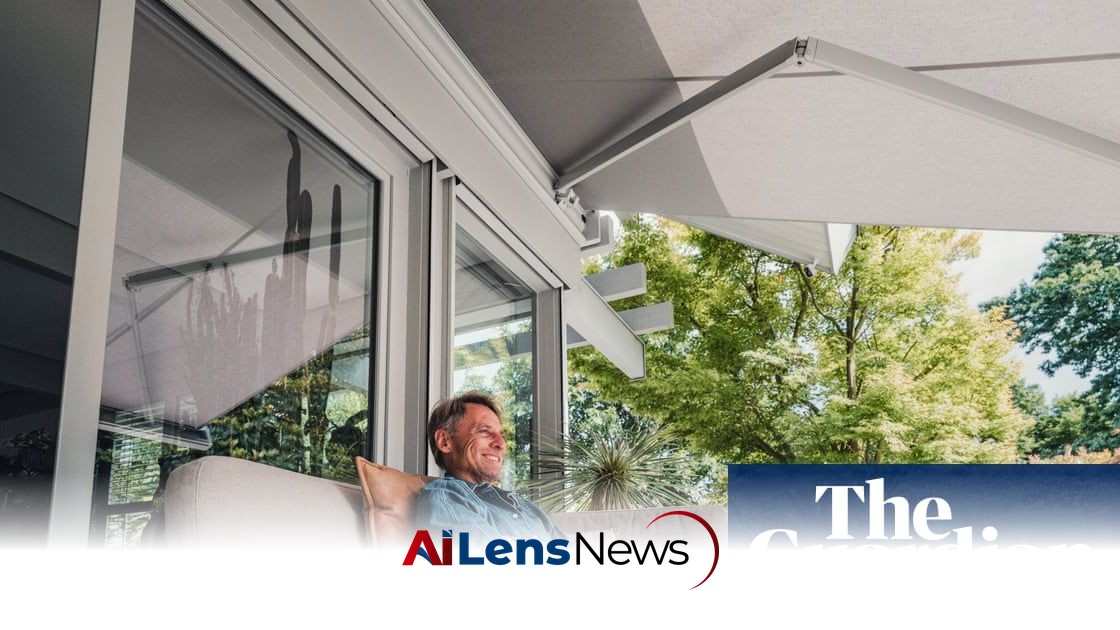
Awnings provide flexibility and shade while allowing access to doors. They are more expensive than blinds, typically costing between £4,000 and £6,000, but they can create a shaded outdoor space as well. This dual functionality makes awnings a worthwhile investment for homeowners looking to enhance their outdoor living areas while simultaneously reducing indoor heat gain. Awnings can also increase the aesthetic appeal of a home, adding value and curb appeal.
Motorized or manual shutters are increasingly popular in the UK, particularly in hotter climates. While they can be a significant investment, starting at around £550 for interior wooden shutters, they offer effective heat management when integrated into the building's design. Shutters not only provide shade but also enhance privacy and security, making them a multifunctional addition to any home.
In conclusion, as summer temperatures rise, implementing these strategies can help maintain a comfortable indoor without relying solely on energy-intensive air conditioning. By investing in effective shading solutions, homeowners can enjoy cooler spaces while being mindful of their al impact. As climate change continues to challenge traditional living conditions, adapting our homes to better manage heat will be essential for improving comfort and sustainability. These measures not only enhance personal well-being but also contribute to broader efforts in reducing energy consumption and promoting a healthier planet.
To learn more about the latest developments in Renewable Energy, stay updated with our exclusive reports and analyses on AiLensNews.

