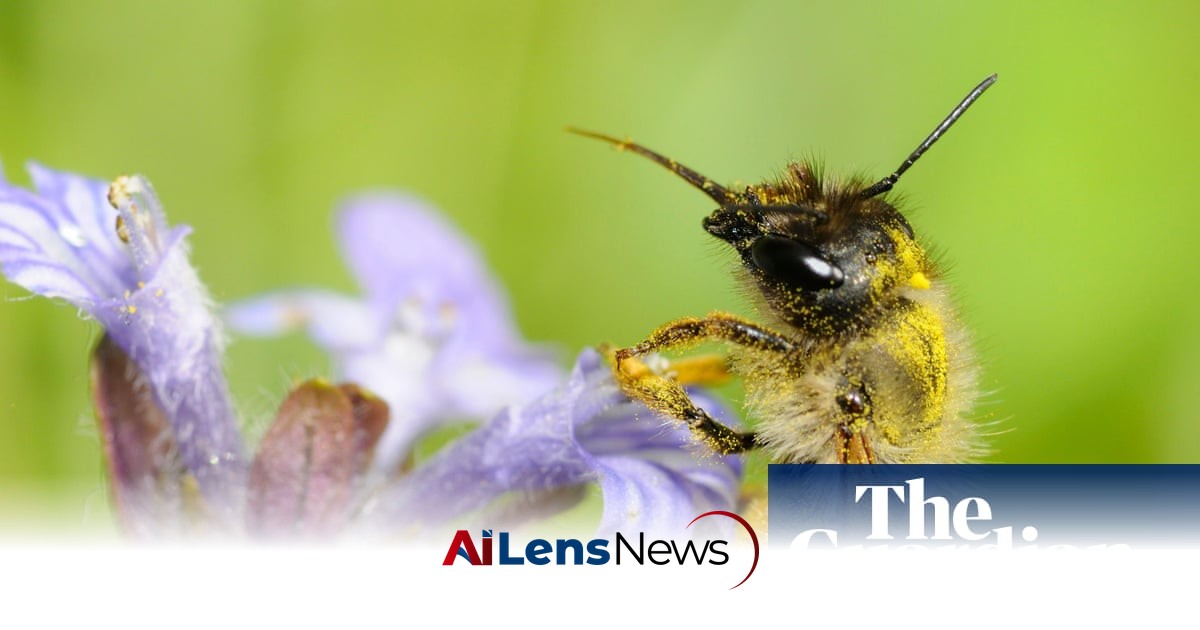


A study reveals that extreme heat significantly reduces bees' fertility, affecting food crop pollination in subsequent years.
New Delhi, India Jul 2, 2026 ALN: Heatwaves have serious health consequences not only for humans but also for various species in the ecosystem. A recent study has highlighted the detrimental effects of extreme heat on bee fertility, which carries significant implications for the pollination of food crops in the years that follow. Bees are essential to the health of our ecosystems, and their role in pollination is critical for the production of many fruits, vegetables, and nuts. As climate change leads to more frequent and intense heatwaves, understanding how these conditions affect bee populations becomes increasingly urgent.
Conducted by Professor James Gilbert and his colleagues at the University of Hull, the study simulated a three-day heatwave typical of the UK and measured its impact on solitary red mason bees. These bees were compared to a control group that was kept under normal summer conditions. The choice of solitary red mason bees is particularly significant, as they represent a large proportion of the bee population in the UK. Unlike social bees, such as honeybees, solitary bees do not have a colony structure and rely on individual reproductive success, making them particularly vulnerable to all stressors.
After a period of nine months, both groups of bees had spun their cocoons and entered hibernation as expected. However, upon dissection, researchers discovered alarming results. The sperm activity of male bees from the heatwave group had decreased by half compared to their counterparts in the control group. Additionally, female bees in the heatwave group exhibited a 15% reduction in both the size and number of developing eggs. These findings indicate that extreme heat can have a direct and detrimental effect on the reproductive capabilities of bees, which is concerning given their role in pollination.
The effects of heat on bee fertility are particularly troubling in the context of global climate change. As average temperatures rise and heatwaves become more common, the likelihood of similar impacts on bee populations increases. This raises questions about the long-term viability of bee species and their ability to adapt to changing al conditions. The reduction in sperm activity and egg development could lead to fewer offspring and, consequently, a decline in bee populations over time.
More than 90% of the approximately 270 bee species in the UK are solitary and lack nest-mates to assist with reproduction and pollination. The findings, published in the Journal of Thermal Biology, suggest that a heatwave could lead to a significant decline in bee populations in the following year. This decline would result in less efficient pollination for essential food crops, such as apples and oilseed rape. The implications for agriculture are severe, as many crops depend on pollination for fruit and seed production. A decrease in bee populations could lead to lower yields, increased food prices, and potential food shortages.
The importance of bees in the agricultural sector cannot be overstated. According to various studies, bees contribute billions to the global economy through their pollination services. In the UK alone, it is estimated that bees contribute around £1.8 billion annually to the agricultural sector. The potential decline in bee populations due to heatwaves could have far-reaching economic consequences, affecting not only farmers but also consumers and the wider economy.
The implications of this research extend beyond just the bees themselves. As pollinators, bees play a crucial role in the ecosystem and agricultural productivity. A reduction in bee fertility could have cascading effects on food supply and biodiversity. This study underscores the need for urgent action to mitigate climate change and protect these vital species. The loss of pollinators can lead to a decrease in plant diversity, which in turn affects other species that rely on those plants for food and habitat.
Moreover, the decline of bee populations can disrupt the balance of ecosystems. Many plants are dependent on specific pollinators, and the loss of these pollinators can lead to the extinction of certain plant species. This, in turn, can have a domino effect on other organisms within the ecosystem, including herbivores and the predators that rely on them. The interconnectivity of ecosystems means that the health of one species can significantly impact many others.
In conclusion, the research conducted by Professor Gilbert and his team sheds light on the critical relationship between climate extremes and bee fertility. As we face increasing temperatures due to climate change, understanding these dynamics is essential for ensuring the health of our ecosystems and food systems. The findings serve as a call to action for policymakers, researchers, and the public to prioritize the protection of bee populations and their habitats. Strategies to mitigate climate change, such as reducing greenhouse gas emissions and promoting sustainable agricultural practices, are vital for preserving not only bee fertility but also the overall health of our planet. By taking proactive steps now, we can help safeguard the future of these essential pollinators and the ecosystems they support.
In recent years, the conversation around the importance of bees has gained significant traction. Awareness campaigns have highlighted the role of bees in food production and the alarming decline in bee populations globally. Various factors contribute to this decline, including habitat loss, pesticide use, and climate change. However, the impact of rising temperatures, particularly during heatwaves, has emerged as a critical area of concern that requires further investigation.
As climate change continues to accelerate, it is expected that heatwaves will become more frequent and severe. This trend poses a significant threat not only to bees but also to other pollinators, such as butterflies and birds, which also play vital roles in ecosystems. The interconnectedness of these species means that the decline of one can lead to a ripple effect throughout the food web, ultimately affecting human food security.
Research into bee fertility in extreme heat conditions is still in its early stages, and further studies are necessary to understand the full scope of the problem. Scientists are exploring various avenues, including how different species of bees respond to heat and whether certain populations may be more resilient than others. Additionally, understanding the genetic and behavioral adaptations of bees could provide insights into how these insects might cope with changing al conditions.
Furthermore, the role of urban s in supporting bee populations is gaining attention. Urban areas can provide unique habitats for bees, with gardens, parks, and green roofs offering food sources and nesting sites. However, urban heat islands can exacerbate the effects of climate change, leading to increased temperatures that could further stress bee populations. Therefore, urban planning and green infrastructure are essential components in creating s that support bee health and biodiversity.
In light of these challenges, community initiatives aimed at protecting and promoting bee populations are becoming increasingly popular. Local beekeeping associations, educational programs in schools, and community gardens all play a part in fostering a culture of appreciation for bees and their importance in our ecosystems. Engaging the public in bee conservation efforts not only raises awareness but also encourages individuals to take action, such as planting bee-friendly flowers and reducing pesticide use in their gardens.
Ultimately, the research conducted by Professor Gilbert and his team serves as a reminder of the intricate relationship between climate, wildlife, and human activity. The health of bee populations is a reflection of the overall health of our , and addressing the challenges they face is crucial for ensuring a sustainable future. As we navigate the complexities of climate change, it is imperative that we prioritize the conservation of bees and other pollinators, as their survival is intrinsically linked to our own well-being and the health of the planet.
To learn more about the latest developments in Climate Change, stay updated with our exclusive reports and analyses on AiLensNews.

