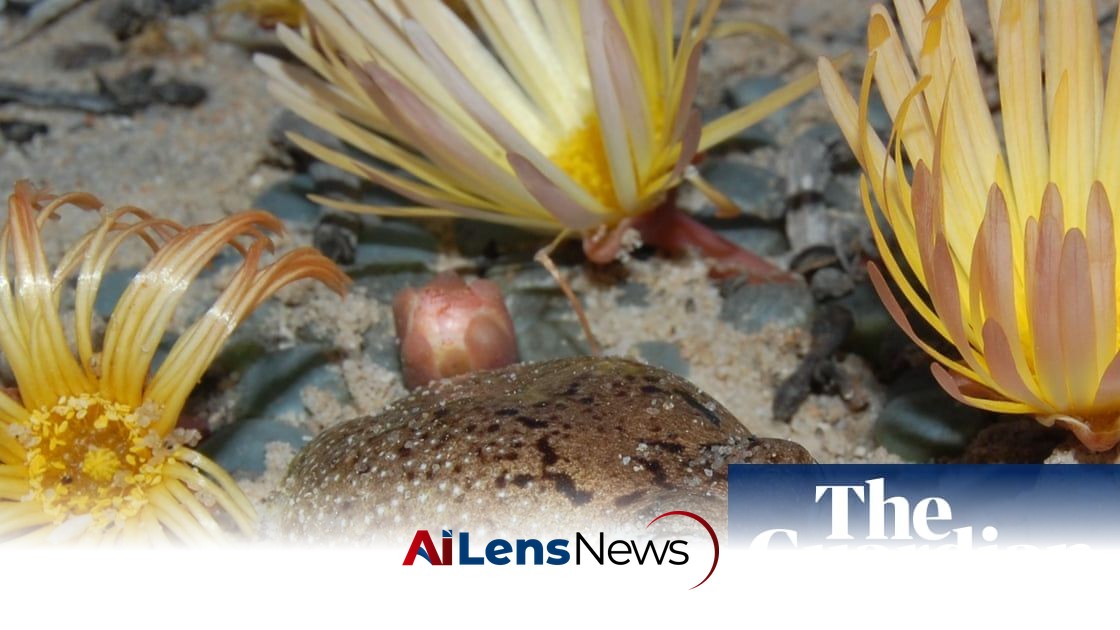


The latest red list of endangered species highlights newly threatened animals, including desert frogs and deep-sea snails, facing extinction due to human activities.
New Delhi, India Jul 9, 2026 ALN: Life on Earth has demonstrated remarkable resilience and adaptability, evolving a myriad of survival strategies that allow various species to thrive in some of the most extreme s imaginable. However, these ingenious adaptations are increasingly being undermined by destructive human activities, a stark reality highlighted in this year's red list of endangered species released by the International Union for Conservation of Nature (IUCN). The red list serves as a comprehensive inventory of the global conservation status of biological species, and its findings underscore the urgent need for action to protect the planet's biodiversity.
The IUCN's assessment reveals that many species, particularly those residing in unique and fragile ecosystems, are facing unprecedented threats. Among these are various molluscs, including snails, limpets, and clams, which have adapted to life at extreme depths in the oceans, particularly around hydrothermal vents. These vents are characterized by water temperatures that can reach 450°C (842°F) and are rich in minerals and nutrients, creating a unique habitat for specialized organisms. Despite their remarkable adaptations, the assessment found that two-thirds of the hundreds of mollusc species endemic to these deep-sea s are now at risk of extinction due to the burgeoning industry of deep-sea mining.
The impacts of deep-sea mining are profound and multifaceted. As companies explore and extract valuable minerals from the ocean floor, the sediment generated by these activities can smother the delicate organisms that inhabit hydrothermal vent ecosystems. For instance, the critically endangered snail species Lirapex felix has been identified as particularly vulnerable due to mining activities in the Indian Ocean. The loss of these unique species would not only represent a significant blow to biodiversity but could also disrupt the intricate ecological balance of these deep-sea s.
In addition to molluscs, other extraordinary species are also facing dire threats from human activities. The desert rain frog, native to southern Africa, has evolved to thrive in arid conditions, requiring minimal water for survival. This remarkable adaptation allows it to escape the harsh daytime heat by burrowing deep into the sand, emerging only at night to hunt for insects. Unfortunately, the species is now classified as vulnerable due to the impacts of diamond mining and the encroachment of energy infrastructure into its habitat along the west coast of South Africa and Namibia. The situation has worsened with rising demand from the exotic pet trade, exacerbated by viral videos showcasing the frog's distinctive squeaking distress call.
Despite the grim outlook for many species, the IUCN has also highlighted conservation success stories that demonstrate the potential for recovery through targeted conservation efforts. The numbat, a stripy marsupial from Australia that primarily feeds on termites, has made a remarkable comeback after facing near extinction. Conservation initiatives aimed at controlling populations of feral cats and foxes—significant predators of the numbat—have been instrumental in this recovery. From a perilous low of just 300 individuals in the late 1970s, the numbat population has rebounded to between 2,000 and 3,000 today, allowing it to move from an endangered to a near threatened status on the red list.
“Life on Earth has adapted to survive in the most hostile and unusual habitats [but] as pressures on biodiversity mount across the planet, even the creatures with the most ingenious survival strategies are under threat,” stated Dr. Grethel Aguilar, the IUCN director general. “But there is a clear path out of the biodiversity crisis: nature conservation works. By protecting the astounding range of biodiversity on this planet, we can preserve a welcoming for humans and wildlife alike.”
The effects of climate change are also a significant driver of species decline, as evidenced by the recent declaration that emperor penguins are officially in danger of extinction. The melting of sea ice due to rising global temperatures has led to the mass drowning of chicks, threatening the survival of this iconic species. The plight of the emperor penguin serves as a stark reminder of the interconnectedness of climate change and biodiversity loss, illustrating how shifts in al conditions can have cascading effects on entire ecosystems.
Furthermore, the IUCN's ongoing assessments reveal that over 200 species of molluscs are known to inhabit hydrothermal vents, many of which have only been discovered in the past decade. Alarmingly, these species now face extinction due to the rapid expansion of deep-sea mining activities. While some vent species are currently protected by marine conservation areas where mining is prohibited, such as the ornately shelled snail Provanna exquisita, which resides exclusively in the Mariana Arc of Fire national wildlife refuge, the overall trend remains concerning.
Prof. Julia Sigwart, a researcher at Senckenberg Nature Research and a partner in the IUCN red list assessment, noted, “This global assessment reveals that [vent] molluscs are one of the most highly threatened of all animal groups. It provides important information as the International Seabed Authority meets in Jamaica this month.” The IUCN's call for a moratorium on deep-sea mining in 2021 underscores the urgency of addressing these threats before it is too late.
In addition to the numbat's recovery, the IUCN red list serves as a reminder that conservation efforts can yield positive results. The desert rain frog's classification as vulnerable due to diamond mining and habitat encroachment highlights the need for ongoing conservation initiatives. The rising demand for exotic pets, particularly following viral media attention, poses additional challenges for the species. Conservationists are advocating for increased awareness and protective measures to ensure the survival of this unique frog.
However, the news is not all positive. The red list has confirmed the extinction of five Australian marsupials, including the crest-tailed mulgara, southern mulgara, northern mulgara, little mulgara, and little bettong, which have not been sighted for at least 60 years. These species, which varied in size from rat-sized carnivores to rabbit-sized jumpers, likely succumbed to predation by invasive species such as feral cats and foxes. Australia has recorded more than 40 modern mammal extinctions, a staggering figure that highlights the urgent need for effective conservation strategies.
“The [numbat] assessment shows that long-term conservation effort works; without it, invasive cats and foxes will continue to drive Australia’s small marsupials and native rodents to extinction,” warned Prof. John Woinarski, co-chair of the IUCN species survival commission group on Australasian marsupials and monotremes. “Continued management is vital not only to maintain the numbat’s unique evolutionary line as the last surviving member of the Myrmecobiidae family, but also to support its role in maintaining a healthy ecosystem, as digging for the termites it eats increases rain penetration into the soil, helping protect woodlands.”
The IUCN red list currently includes 175,909 species, of which a staggering 49,505 are threatened with extinction. However, it is critical to note that many species have yet to be formally assessed, suggesting that the true extent of the biodiversity crisis may be even more severe than currently understood. The ongoing loss of biodiversity poses significant implications not only for the species themselves but also for ecosystems and human societies that rely on these complex systems for survival.
As the world grapples with the dual crises of biodiversity loss and climate change, the findings of the IUCN red list serve as a clarion call for urgent action. Protecting the planet's biodiversity is not merely an al concern; it is a fundamental aspect of ensuring a sustainable future for all life on Earth. The time for action is now, as the survival of countless species hangs in the balance, and the health of our planet depends on the choices we make today.
To learn more about the latest developments in Conservation, stay updated with our exclusive reports and analyses on AiLensNews.

