

As Indonesia braces for a potential haze crisis, regional collaboration is crucial in combating forest fires exacerbated by climate conditions.
Singapore, Singapore Jul 16, 2026 ALN: In the coming months, Southeast Asia may face a dual climate threat: a "Godzilla" El Niño combined with a positive Indian Ocean Dipole. These phenomena are expected to bring warmer, drier conditions to the region, which can significantly affect weather patterns and environmental stability. The implications of such climatic events are profound, particularly for countries that are already vulnerable to the impacts of climate change, such as Indonesia, Malaysia, Singapore, and Brunei.
On June 24, the Singapore Institute of International Affairs (SIIA) highlighted the severe implications of these natural events, particularly the increased risk of transboundary haze affecting Brunei, Indonesia, Malaysia, and Singapore. The SIIA's annual haze outlook report serves as a critical warning, drawing attention to the potential for widespread air quality deterioration that can affect millions of people across these nations.
Historically, the combination of El Niño and the Indian Ocean Dipole has led to some of the region's worst haze episodes. Notably, the crises of 1997-1998 and 2015 are often cited as benchmarks for understanding the severity and impact of haze in Southeast Asia. During these periods, the environmental consequences were dire, leading to significant health crises and economic losses. Although the 2023 season has shown similar climatic conditions, its effects have been less severe so far, but the situation remains fluid and precarious.
The memory of the 2015 haze crisis remains vivid, with grounded flights, closed schools, and a health crisis affecting tens of thousands suffering from respiratory issues and skin ailments. The economic impact was staggering, with Indonesia alone incurring losses exceeding US$16 billion. One study estimated Singapore's financial burden during that year's haze at approximately $1.83 billion, highlighting the extensive cross-border ramifications of environmental mismanagement.
Against this backdrop, I visited South Sumatra in early June, a region that was ground zero for the 2015 fires. The visit took me to a 67,000-hectare pulpwood plantation owned by Asia Pulp & Paper (APP), Indonesia's largest pulp and paper firm. This area has been a focal point in the discussion around forest fires and haze, as it exemplifies the challenges of balancing economic activity with environmental stewardship.
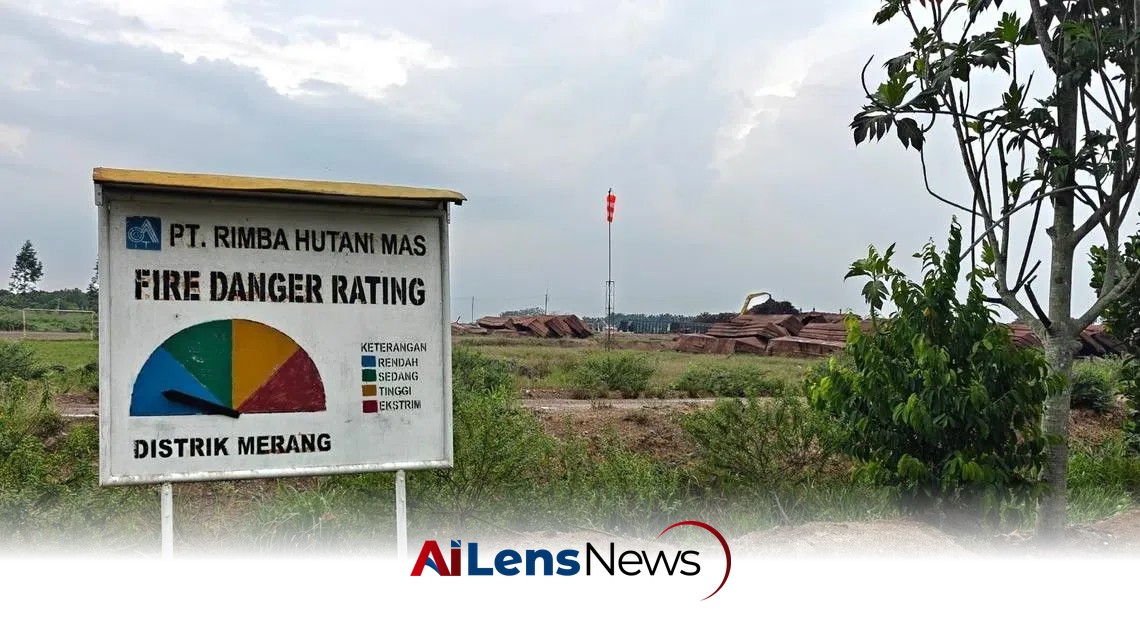
APP, previously under scrutiny for its role in the haze crisis, is now eager to showcase its enhanced fire prevention and crisis management capabilities. The journey to the PT Rimba Hutani Mas concession involved a challenging 2½-hour drive, navigating dirt tracks and crossing rivers, underscoring the remote and rugged nature of the region where these environmental issues manifest.
Upon arrival, I was greeted by rows of acacia trees cultivated for pulpwood. The plantation's management has established a comprehensive surveillance network, including a control room equipped with detailed maps and satellite imagery to monitor fire risks. This technological investment reflects a shift in corporate responsibility, as companies like APP are increasingly held accountable for their environmental practices.
The tour of the plantation revealed various monitoring posts and watchtowers designed to detect and prevent fires early. The primary cause of fires remains human activity, particularly during the dry season when land clearing can quickly spiral out of control. This practice, often linked to agricultural expansion and land development, poses a significant risk not only to the immediate environment but also to neighboring countries that may suffer from transboundary haze.
To bolster fire prevention efforts, a 40-member private firefighting team is on standby, ready to deploy water-bombing helicopters if needed. Local villagers have also been integrated into an "Integrated Fire Management" strategy, serving as an early warning system despite lacking formal firefighting training. This community engagement is crucial; it empowers local populations and fosters a sense of shared responsibility in managing environmental risks.
While my visit to a single concession provided limited data, the urgency displayed by the staff in preparing for potential fires was evident. However, the effectiveness of these measures will ultimately depend on the severity of the upcoming dry season. The unpredictability of climate patterns means that even the best-prepared companies may find themselves challenged by unforeseen conditions.
A pervasive anxiety about regulatory repercussions loomed over the discussions. Indonesian President Prabowo Subianto's readiness to impose punitive measures has heightened concerns among APP officials, particularly following the revocation of permits for 28 resource companies earlier this year due to environmental breaches. This regulatory crackdown reflects a growing recognition by the Indonesian government of the need to enforce environmental protection laws more rigorously.
This crackdown came after catastrophic floods and landslides in Sumatra, which authorities attributed to environmental violations exacerbating the disaster's impact. The affected firms spanned various sectors, including forestry and mining, and the seized land is now managed by Danantara, Indonesia's sovereign wealth fund. This shift in land management underscores the government’s commitment to addressing environmental degradation and the importance of sustainable practices.
This regulatory environment has created a sense of urgency within the resource sector. During my visit, I bluntly asked an APP executive about the firm's responsibility in preventing fires. The response was clear: the company is acutely aware of the accountability it faces for any environmental fallout, regardless of the fire's origin. This acknowledgment reflects a broader trend in corporate governance, where companies are increasingly held accountable for their environmental impact.
Companies are now expected to suppress fires not only within their concessions but also in a 5km buffer zone beyond their boundaries, necessitating proactive measures. This requirement places additional pressure on companies to invest in fire prevention technologies and community engagement strategies, as they must now consider the broader ecological implications of their operations.
One innovative strategy at the concession involves a partnership with the adjacent Sumatra Merang Peatland Project, a 23,000-hectare area undergoing restoration after being ravaged by fires and logging. This project generates nature-based carbon credits, which are sold to companies looking to offset their emissions. The integration of such projects into corporate strategies illustrates a growing recognition of the importance of sustainable practices in mitigating climate change.
Having this restoration project nearby creates a vested interest in fire prevention, allowing firefighting teams from both projects to collaborate during emergencies. This cooperative approach is essential for effective fire management in the region, as it fosters collaboration between private companies and conservation initiatives. Such partnerships can be instrumental in developing comprehensive strategies to combat the complex challenges posed by climate change and environmental degradation.
As Indonesia prepares for the haze season, it is clear that regional cooperation is vital. The challenges posed by climate change and human activity require a united front to mitigate the risks and protect the health and livelihoods of millions across Southeast Asia. Collaborative efforts among governments, private sectors, and local communities will be crucial in developing effective strategies to address the multifaceted issues surrounding haze and environmental management.
The implications of failing to manage these environmental challenges extend beyond immediate health concerns. The economic stability of the region, which heavily relies on agriculture, tourism, and trade, is at stake. As the region grapples with the dual threats of climate change and human activity, the need for innovative solutions and collaborative frameworks has never been more critical. The proactive measures taken by companies like APP, in partnership with local communities and restoration projects, represent a step in the right direction, but sustained effort and commitment will be necessary to navigate the complexities of environmental management in Southeast Asia.
To learn more about the latest developments in Environmental Policy, stay updated with our exclusive reports and analyses on AiLensNews.

