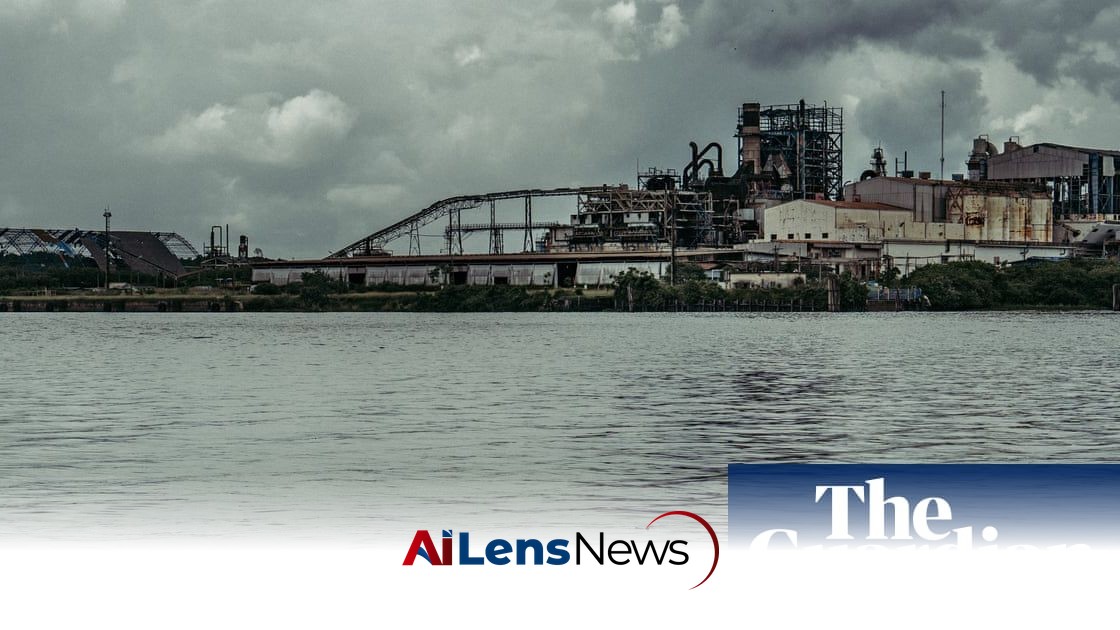


Decades of foreign settlements in the Brazilian Amazon for extractive activities have left behind abandoned structures, showcasing nature's reclamation and human resilience.
New Delhi, India Jul 3, 2026 ALN: The Brazilian Amazon, a region rich in biodiversity and natural resources, has long been a focal point for foreign companies seeking to exploit its wealth. Over the decades, numerous settlements were established to support extractive activities, but many of these towns have since been abandoned, leaving behind a haunting legacy of human endeavor and nature's resilience.
In the mid-20th century, as global demand for resources surged, foreign firms flocked to the Amazon, establishing company towns to house workers and facilitate operations. These towns were often designed to be self-sufficient, complete with housing, schools, and recreational facilities. However, as resources dwindled and economic viability faltered, many of these towns fell into disrepair and were ultimately abandoned.
The phenomenon of company towns is not unique to the Amazon; similar models have been observed in various industries worldwide. In the Amazon, the primary industries driving the establishment of these towns included rubber extraction, timber harvesting, and mining. Each of these industries brought with it a workforce that needed housing and community infrastructure, leading to the rapid development of towns that were often built on the promise of prosperity.
One notable example is the rubber boom of the late 19th and early 20th centuries, which saw the establishment of towns like Manaus and Belém as hubs of rubber production. These towns flourished as the global demand for rubber surged, driven by the burgeoning automobile industry and the need for rubber in various consumer goods. However, the boom was short-lived, and as synthetic alternatives emerged and the rubber market collapsed, many of these towns faced economic decline.
Today, the remnants of these once-thriving communities stand as a testament to both human ambition and the relentless power of nature. Over time, vegetation has reclaimed these spaces, with trees and plants growing through the structures, creating a striking contrast between human-made edifices and the natural world. This phenomenon highlights the resilience of nature, as it gradually envelops the remnants of human activity.
Ecologists and alists often refer to this process as 'secondary succession,' where ecosystems recover and regenerate following disturbances. In the case of abandoned company towns, nature's reclamation serves as a poignant reminder of the impermanence of human endeavors. The lush greenery that now blankets these sites stands in stark contrast to the industrial activities that once dominated the landscape, illustrating the dynamic interplay between human development and ecological resilience.
Despite the abandonment, the stories of those who lived and worked in these towns remain. Many former residents recall their experiences with a mix of nostalgia and sorrow. The towns were often isolated, and while they provided jobs, they also imposed a lifestyle that was heavily dependent on the companies that built them. The memories of community gatherings, school events, and daily life linger, even as the physical structures decay.
Oral histories collected from former residents reveal a tapestry of experiences that reflect both the challenges and joys of life in these company towns. Many residents speak of a strong sense of community, forged through shared labor and collective struggles. However, they also recount the difficulties of isolation, limited access to healthcare, and the uncertainties that came with the volatility of the industries that sustained them. The duality of their memories—both fond and painful—highlights the complex human experience in the face of economic exploitation.
The legacy of these company towns extends beyond their physical presence. The extractive activities that led to their establishment have had lasting impacts on the Amazon's ecosystem. Deforestation, pollution, and habitat destruction are just some of the consequences of unchecked industrial activity in the region. As these towns fade into the landscape, they serve as a reminder of the al costs associated with resource extraction.
Deforestation in the Amazon has reached alarming levels, with significant portions of the rainforest cleared for timber, agriculture, and mining. This loss of forest cover not only contributes to climate change but also threatens the biodiversity that is vital for the health of the planet. The pollution from mining operations, including toxic waste and heavy metals, has contaminated waterways, affecting both wildlife and local communities. The abandoned towns, often left with remnants of industrial infrastructure, are stark reminders of these ongoing al challenges.
As the world becomes increasingly aware of the importance of sustainable practices, the lessons learned from the rise and fall of these company towns are more relevant than ever. There is a growing recognition of the need to balance economic development with al conservation. Efforts to restore and protect the Amazon are gaining momentum, driven by both local communities and international organizations.
Conservation initiatives, such as reforestation projects and sustainable agriculture practices, are being implemented in various parts of the Amazon. These efforts aim to restore degraded lands and promote biodiversity while providing economic opportunities for local populations. Additionally, there is a rising movement advocating for the rights of indigenous peoples, who have historically been stewards of the land and possess invaluable knowledge about sustainable practices.
International collaboration is also critical in addressing the challenges facing the Amazon. Global partnerships focused on sustainable development, conservation funding, and responsible resource management are essential for ensuring the long-term health of this vital ecosystem. The lessons from the past, particularly the rise and fall of company towns, underscore the importance of integrating al considerations into economic decision-making.
The abandoned company towns of the Amazon are more than just ruins; they are symbols of a complex history of exploitation and resilience. As nature reclaims these spaces, they remind us of the delicate balance between human ambition and the . Moving forward, it is crucial to learn from the past to ensure a sustainable future for the Amazon and its inhabitants.
In conclusion, the story of the Amazon's company towns is a multifaceted narrative that encapsulates the interplay between human endeavor, al stewardship, and the consequences of industrialization. By reflecting on this history, we can better understand the importance of sustainable practices and the need to protect one of the world's most biodiverse regions for future generations. As we navigate the challenges of the 21st century, the lessons from these forgotten towns can guide us toward a more harmonious relationship with nature.
To learn more about the latest developments in Conservation, stay updated with our exclusive reports and analyses on AiLensNews.

