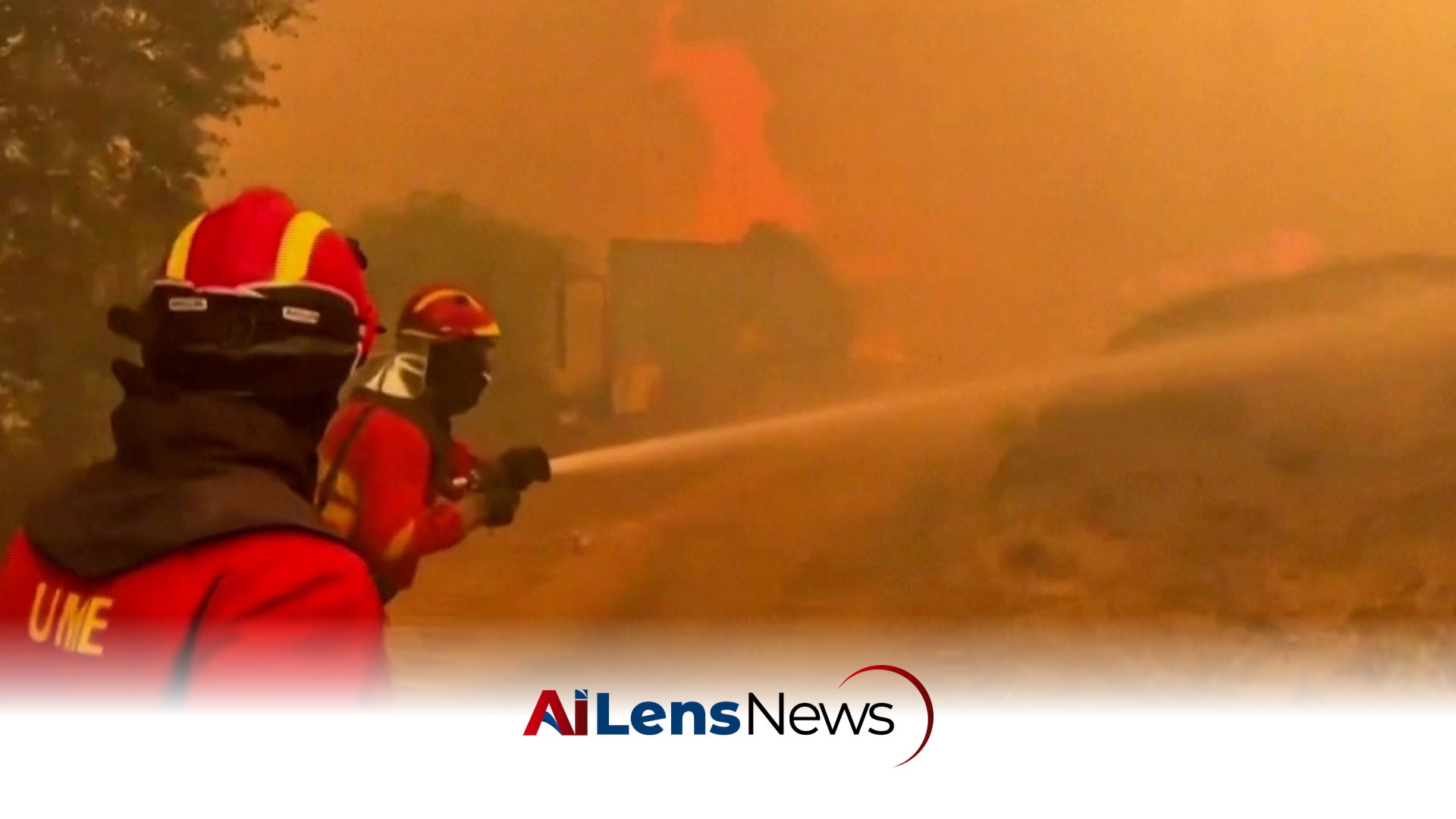


Over 10,000 people have been evacuated in Madrid due to uncontrollable wildfires, prompting a national emergency declaration amid extreme summer heat.
Doha, Qatar Jul 24, 2026 ALN: Spain has officially declared a national emergency as wildfires continue to wreak havoc in the central region of Madrid. Authorities reported that at least 10,000 individuals have been evacuated from their homes as two major blazes remain "out of control." This alarming situation has escalated amid soaring summer temperatures across Europe, making it increasingly difficult for firefighting efforts to contain the flames.
The wildfires in Madrid are part of a broader trend observed across Southern Europe, where climate change has contributed to an increase in the frequency and intensity of extreme weather events. This summer, many regions have experienced record-breaking temperatures, with Spain recording some of the hottest days in its history. Such conditions create a perfect storm for wildfires, as dry vegetation becomes highly flammable and winds can rapidly spread flames. The ongoing heatwave has not only intensified the wildfires but has also raised concerns about public health, as heat-related illnesses can exacerbate the already dire situation.
Firefighters are working tirelessly to combat the wildfires, which have been exacerbated by dry conditions and high temperatures. The government has mobilized additional resources, including specialized firefighting units, to assist local teams in their battle against the flames. These units are equipped with advanced firefighting technology and trained personnel who can tackle the most challenging wildfire scenarios. In addition to ground crews, aerial units using water-dropping helicopters and planes have been deployed to help contain the blazes from above. The aerial support is critical in reaching areas that are difficult to access by land, allowing for a more comprehensive approach to firefighting.
Officials have urged residents in affected areas to remain vigilant and adhere to evacuation orders. The situation remains dynamic, with weather conditions playing a crucial role in the firefighting efforts. High winds can shift the direction of the fires, complicating containment strategies. Furthermore, the risk of new fires igniting remains elevated due to the ongoing heatwave and dry conditions. The national emergency declaration aims to facilitate a coordinated response and ensure the safety of those at risk, allowing for the quick allocation of resources and personnel where they are needed most. This declaration is not just a formality; it enables the government to bypass certain bureaucratic hurdles and mobilize resources more swiftly to combat the crisis.
As the wildfires continue to pose a significant threat, Spain joins other European nations grappling with similar challenges this summer. Countries such as Greece, Italy, and Portugal have also faced devastating wildfires, prompting discussions about the need for improved firefighting strategies and climate resilience measures. The ongoing climate crisis has heightened the frequency and intensity of wildfires, raising concerns about the long-term implications for the environment and public safety. Experts warn that without significant action to address climate change, the situation is likely to worsen in the coming years, leading to more frequent and severe wildfires. This has led to calls for international cooperation to develop effective strategies for wildfire management and prevention.
The impact of these wildfires extends beyond immediate threats to life and property. Ecosystems are also at risk, as fires can destroy habitats and threaten biodiversity. The loss of vegetation can lead to soil erosion, affecting water quality and availability in the region. Additionally, the smoke and pollutants released into the atmosphere can have detrimental effects on air quality, posing health risks to residents even far from the fire's front lines. The particulate matter and toxic gases released during wildfires can exacerbate respiratory conditions and lead to long-term health issues for affected populations.
Authorities are closely monitoring the situation and are committed to providing updates as they work to manage the crisis effectively. The public is encouraged to stay informed through official channels and to prioritize safety during this challenging time. Local governments are providing resources for displaced individuals, including temporary shelters and support services, ensuring that those affected by the evacuations receive the assistance they need. This support is crucial, as many evacuees may have lost their homes or possessions and will require immediate aid to rebuild their lives.
In light of these challenges, discussions around climate policy and emergency preparedness are becoming increasingly urgent. Policymakers are faced with the task of developing comprehensive strategies that not only address the immediate needs during wildfire events but also tackle the underlying causes of climate change. Initiatives may include investing in sustainable land management practices, enhancing forest management to reduce fuel loads, and improving infrastructure to better withstand extreme weather events. These long-term strategies are essential for building resilience against future disasters, as climate change continues to pose a significant threat to both natural and human systems.
The Spanish government has also been facing scrutiny regarding its preparedness for such disasters. Critics argue that more investment is needed in firefighting resources and infrastructure to protect vulnerable communities. As wildfires become a more common occurrence, there is a growing call for a reevaluation of national emergency response strategies to ensure that they are equipped to handle the increasing threat posed by climate-related disasters. This includes not only enhancing firefighting capabilities but also investing in community education and preparedness programs to empower residents to respond effectively in emergencies.
In conclusion, the declaration of a national emergency in Spain due to wildfires in the Madrid region underscores the urgent need for action on multiple fronts. While immediate firefighting efforts are crucial to protect lives and property, long-term strategies must be implemented to address the root causes of climate change and enhance resilience against future disasters. As the situation develops, the focus remains on safeguarding communities and ensuring a coordinated response to this ongoing crisis. The lessons learned from this disaster could inform future policies and practices, helping to mitigate the impact of wildfires and protect both people and the environment in the years to come.
To learn more about the latest developments in Environmental Policy, stay updated with our exclusive reports and analyses on AiLensNews.

