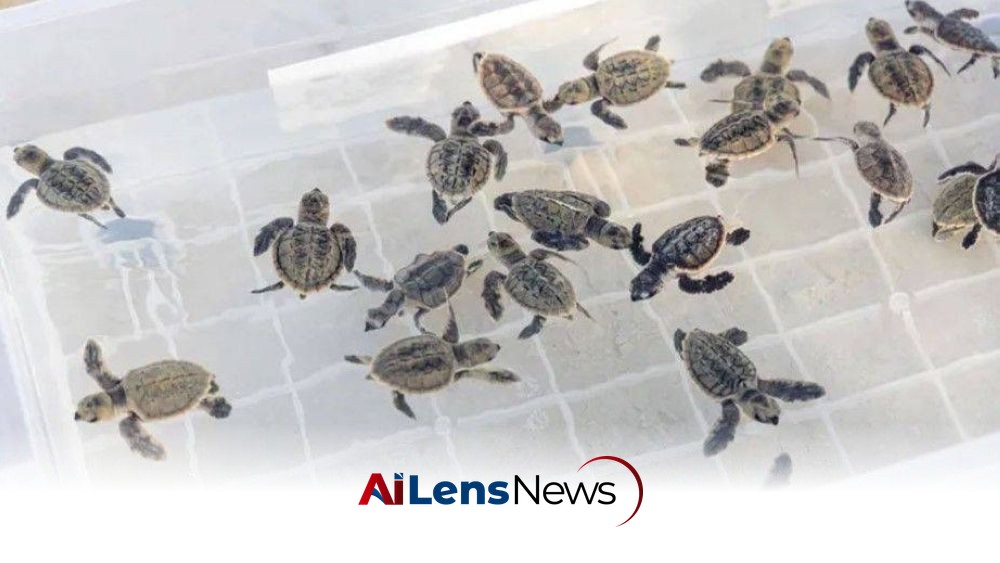


The Ministry of Environment and Climate Change has announced the end of the 2026 hawksbill sea turtle nesting season, highlighting successful conservation efforts.
Doha, Qatar Aug 2, 2026 ALN: The Ministry of Environment and Climate Change (MoECC) has announced the conclusion of the 2026 hawksbill sea turtle nesting season, which ran from April 1 to August 1. This period is critical for the hawksbill sea turtle, a species classified as critically endangered by the International Union for Conservation of Nature (IUCN). The nesting season is a time when female turtles return to the beaches where they were born to lay their eggs, ensuring the continuation of their species.
The hawksbill sea turtle, known scientifically as Eretmochelys imbricata, is one of the most threatened marine species globally. Its decline is attributed to various factors, including illegal trade of their beautiful shells, habitat loss due to coastal development, and the impacts of climate change. The nesting season is crucial not only for the survival of the species but also for maintaining the ecological balance within marine environments.
The season culminated with the release of hatchlings into their natural habitat as part of the ministry's ongoing efforts to protect biodiversity and conserve endangered species. The release of hatchlings is a significant event, as it represents the successful culmination of the reproductive cycle of these turtles, which face numerous threats in their natural environments, including habitat loss, poaching, and climate change. Each hatchling represents hope for the future of the species, as only a small percentage of hatchlings survive to adulthood.
The ministry said it provided suitable conditions for turtle nesting throughout the season by implementing specialized field programs and deploying patrols to monitor key nesting beaches. These included Al Huwailah, Al Jassasiya, Al Maroona, Al Ghariya, and Al Mufair, as well as several other coastal sites across the country. The presence of patrols is crucial, as they help to deter poachers and protect nesting sites from human interference, thereby contributing to the season's success and the achievement of its conservation objectives. Effective monitoring and protection measures are essential to ensure the safety and survival of both nesting turtles and their hatchlings.
According to the ministry, the Hawksbill Sea Turtle Protection Project was launched in 2003 in partnership with QatarEnergy and the Environmental Science Center at Qatar University. This collaboration underscores the importance of public-private partnerships in conservation efforts. Over the past five years, the initiative has released more than 60,000 hatchlings into Qatar's marine environment, marking a significant achievement in the efforts to bolster the hawksbill population. This project not only focuses on the physical release of hatchlings but also on comprehensive research and monitoring to understand the challenges faced by the species.
The ministry described the project as one of Qatar's leading national biodiversity conservation initiatives, noting that it has helped increase hawksbill turtle populations, reduce the risk of extinction, and raise public awareness about the importance of protecting the species. Hawksbill turtles play a vital role in maintaining healthy marine ecosystems and supporting ecological balance. Their feeding habits, which include grazing on sponges, help to promote the growth of coral reefs, making their conservation essential for marine biodiversity. The relationship between hawksbill turtles and coral reefs exemplifies the interconnectedness of marine species and their habitats.
MoECC noted that the annual hawksbill nesting season typically runs from early April to late June, when turtles come ashore to nest on several beaches in northern Qatar, including Fuwairit, Ras Laffan, Al Maroona, Al Ghariya, Al Huwailah, Al Jassasiya, and Al Mafjar, as well as on the islands of Umm Tais, Ras Rakan, Shraouh, and Halul. These specific locations have been identified as critical nesting habitats due to their relative safety from human disturbance and their ecological suitability for hawksbill nesting. The nesting process itself is a meticulous one, where female turtles can lay anywhere from 100 to 200 eggs in a single nesting event, returning to the sea after covering their nests with sand to protect their eggs from predators.
The eggs hatch approximately two months after they are laid, after which the hatchlings make their way to the sea. This journey from nest to ocean is fraught with danger, as hatchlings are vulnerable to predation by birds, crabs, and other marine animals. The ministry's efforts to monitor and protect nesting sites are crucial during this period to ensure that as many hatchlings as possible survive to adulthood. The survival rate of hatchlings is critically low, with estimates suggesting that only one in a thousand will reach maturity, underscoring the importance of conservation efforts.
The hawksbill sea turtle is not only important for ecological reasons but also holds cultural significance in many coastal communities. In Qatar, the presence of hawksbill turtles and their nesting activities have become a focal point for environmental education and community engagement. The MoECC has worked to involve local communities in conservation efforts, encouraging them to participate in monitoring activities and raising awareness about the importance of protecting marine life. Community involvement is vital for the success of conservation initiatives, as local populations often have the most significant impact on their environments.
As climate change continues to pose a significant threat to marine ecosystems, the work of the MoECC and its partners in protecting the hawksbill turtle becomes increasingly vital. Rising sea temperatures, ocean acidification, and changing weather patterns can all impact the nesting success and survival rates of hatchlings. The ministry's proactive approach to conservation, including habitat protection and public education, aims to mitigate these threats and promote the resilience of hawksbill populations. Climate change not only affects the turtles directly but also influences the health of their habitats, such as coral reefs, which are crucial for their survival.
Looking forward, the MoECC plans to continue its efforts in the 2027 nesting season and beyond, emphasizing the importance of sustained conservation initiatives. The success of the Hawksbill Sea Turtle Protection Project serves as a model for other conservation efforts in the region, illustrating the potential benefits of collaborative approaches to environmental stewardship. As awareness of the plight of the hawksbill sea turtle grows, so too does the commitment to ensuring that future generations can witness these magnificent creatures in their natural habitats. The ongoing commitment to research and monitoring will also help to inform future strategies and improve the effectiveness of conservation measures.
In conclusion, the 2026 hawksbill sea turtle nesting season has not only highlighted the successful release of hatchlings but also underscored the ongoing challenges faced by this critically endangered species. The efforts of the MoECC, in collaboration with various partners, represent a significant step towards the conservation of marine biodiversity in Qatar. As the ministry prepares for future nesting seasons, the lessons learned and the successes achieved will inform ongoing and future conservation strategies, ensuring the protection of hawksbill turtles and their habitats for years to come. The commitment to conservation reflects a broader understanding of the importance of preserving biodiversity, not just for the species at risk, but for the health of our planet as a whole.
To learn more about the latest developments in Conservation, stay updated with our exclusive reports and analyses on AiLensNews.

