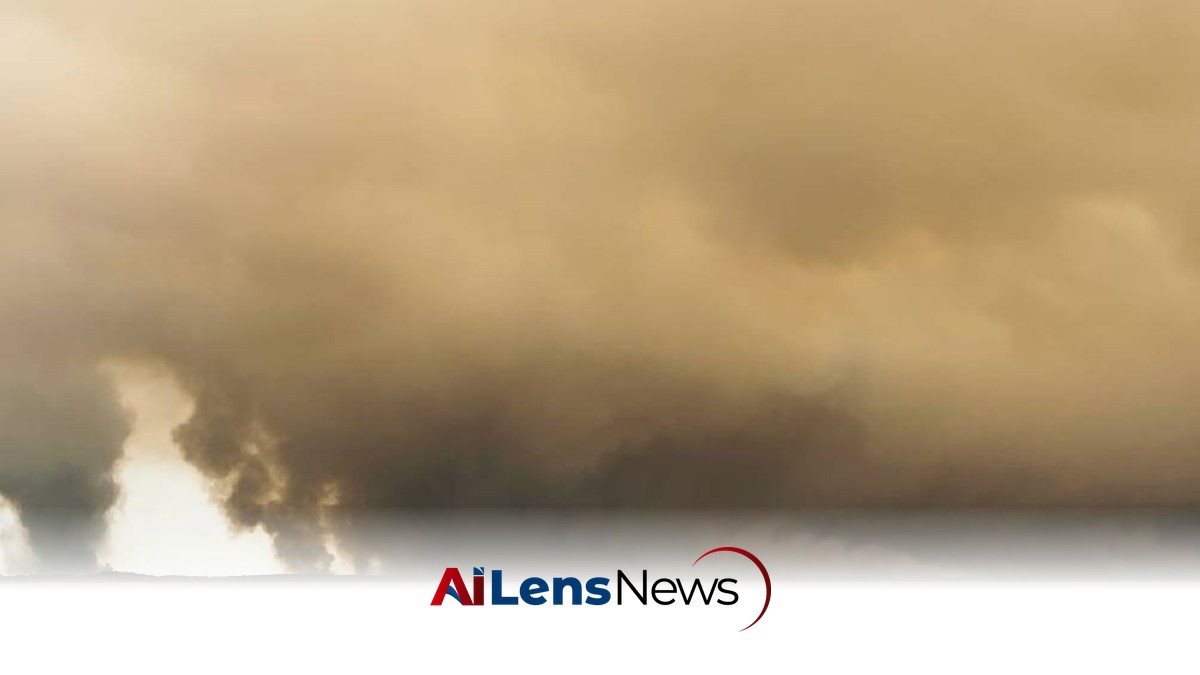


Unprecedented wildfires in France and Spain have led to the evacuation of over 160,000 people, with significant destruction reported near Bordeaux and Madrid.
Kuwait City, Kuwait Jul 25, 2026 ALN: LÈGE-CAP-FERRET, FRANCE: France and Spain evacuated more than 160,000 people as unprecedented forest fires ravaged areas on Saturday near Madrid and Bordeaux, a French city flanked by tourist havens and world-renowned vineyards. The scale and intensity of these wildfires have raised significant concerns about climate change, emergency preparedness, and the effectiveness of firefighting resources in Europe.
The fires have been exacerbated by a combination of extreme weather conditions, including prolonged drought and strong winds, which have created a perfect storm for wildfire outbreaks. In recent years, both France and Spain have experienced increasingly severe heatwaves, with this summer marking one of the hottest on record. The World Weather Attribution group has highlighted the role of human-induced climate change in intensifying these conditions, making wildfires not only more frequent but also more destructive.
In response to the escalating crisis, French President Emmanuel Macron mobilized the army to assist in firefighting efforts, marking a historic moment as France grapples with the worst wildfire in its history. Macron's call for European Union assistance underscores the regional nature of the crisis, as neighboring countries face similar challenges. Local officials have warned that the blaze was advancing towards Bordeaux, prompting preventative evacuations in nearby towns. The urgency of the situation was reflected in traffic advisories issued by Bison Fute, which urged drivers to avoid roads in the area to facilitate access for emergency services.
Approximately 44,000 individuals were evacuated from the upscale Cap Ferret peninsula, an area renowned for its luxury residences and picturesque landscapes. As flames threatened the only road leading off the peninsula, authorities utilized boats to ferry residents to safety. The destruction has been significant, with over 50 homes reported as lost to the flames. In total, around 141,000 people have been evacuated in southwestern France, alongside an additional 25,000 in the Madrid region, including vulnerable populations such as the elderly and disabled.
In Madrid, the situation has been equally dire. Carlos Novillo, the regional government's emergency management chief, indicated that the wildfire near the capital had reached its peak intensity, overwhelming the capacity of local firefighters. Spanish Prime Minister Pedro Sanchez planned to visit the emergency coordination center, highlighting the government's commitment to addressing the crisis. Meanwhile, French Interior Minister Laurent Nunez emphasized the unprecedented nature of the fires, pledging to do everything possible to protect Bordeaux and its surrounding communities.
In a coordinated response, the French government announced the deployment of 1,000 military personnel to combat the flames, alongside the distribution of 1.5 million FFP2 masks to protect both firefighters and local residents from harmful smoke inhalation. The health implications of smoke exposure are significant, particularly for vulnerable populations, and the government is taking measures to mitigate these risks.
As the fires rage on, reports indicate that approximately 40 firefighters have sustained injuries while battling the blaze at Cap Ferret. Tragically, three firefighters have lost their lives in the line of duty this week, with two fatalities occurring during firefighting efforts near Bordeaux airport. The loss of life underscores the perilous nature of wildfire suppression and the risks first responders face in these extreme conditions.
In addition to the immediate dangers posed by the fires, the long-term implications of such disasters are profound. Regions that have been ravaged by wildfires often face significant ecological and economic challenges. The destruction of forests not only impacts biodiversity but also affects local tourism and agriculture, particularly in areas like Bordeaux, known for its vineyards. Emergency shelters have been established in schools and gymnasiums across southwestern France to accommodate displaced residents and tourists, who are left uncertain about the fate of their homes and livelihoods.
In the village of Andernos, residents like 90-year-old Maria Lalanne have found themselves in precarious situations. Displaced without essential items such as glasses or hearing aids, Lalanne expressed her anxiety about her health conditions and the uncertainty surrounding her home. The emotional toll of such disasters is often overlooked but can have lasting effects on individuals and communities.
EU Help -
The European Union has stepped in to provide assistance, dispatching firefighting reinforcements from across the continent. The European Commission announced the deployment of four water-bombing planes to Spain and three to France, reflecting the collaborative effort to combat these devastating wildfires. The situation in Madrid has been described as the worst in the region's history, with regional president Isabel Diaz Ayuso announcing further evacuations as two major fires merged, threatening the town of Navas del Rey.
The merging of fires poses a significant challenge for firefighting efforts, as it can create larger fire fronts that are more difficult to contain. The smoke generated by these fires has been described as thick and suffocating, leading to health concerns for those living in the vicinity. Residents like Jose Cobos, who fled his home southwest of Madrid, recounted the harrowing experience of escaping the smoke and flames with his family and pets.
As the situation continues to evolve, Spain has faced a series of wildfires in recent weeks, with the largest active fire reported in Guadalajara province, where approximately 32,000 hectares have been scorched. In France, the fires at Cap Ferret and around the town of Biscarrosse have already consumed over 13,500 hectares, while another 6,000 hectares have been lost in the Madrid region. The scale of destruction highlights the urgent need for comprehensive wildfire management strategies and climate adaptation measures.
Italy has also been grappling with wildfires this week, particularly on the island of Sicily, where dozens of blazes have been reported. The loss of life among firefighters in Italy serves as a stark reminder of the dangers associated with wildfire suppression efforts across Europe. As these countries confront the immediate crisis, the broader implications of climate change and environmental degradation remain pressing issues that demand attention and action.
In conclusion, the wildfires ravaging France and Spain represent a critical moment in the fight against climate change and its consequences. As communities grapple with the aftermath of these disasters, the need for coordinated responses, effective resource allocation, and long-term strategies to mitigate future risks will be paramount. The resilience of affected communities will be tested, and the lessons learned from this crisis will shape future policies and preparedness efforts in the face of an increasingly unpredictable climate.
To learn more about the latest developments in Conservation, stay updated with our exclusive reports and analyses on AiLensNews.

