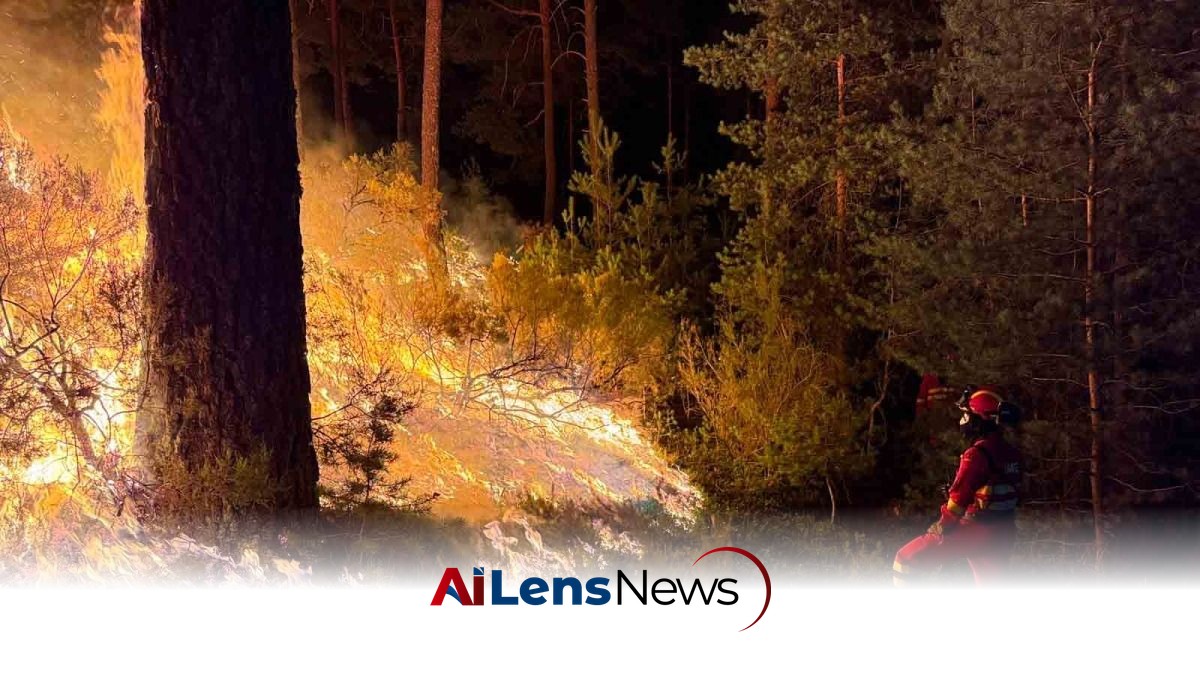


Over 20,000 residents evacuated as France seeks EU aid and Spain declares a national emergency amid raging wildfires.
Kuwait City, Kuwait Jul 24, 2026 ALN: France and Spain are currently facing a critical situation as they battle major forest fires, which have led to the evacuation of thousands of residents. The fires, fueled by dry conditions and high temperatures, are spreading rapidly across various regions, prompting authorities to implement emergency measures to protect lives and property. The scale of the crisis has raised alarms not only domestically but also across Europe, highlighting the increasing frequency and intensity of wildfires in the region.
In France, President Emmanuel Macron announced on Friday that the country had formally requested assistance from the European Union (EU) to help combat a significant wildfire that is raging through the southwestern part of the country, particularly in the Gironde region, which is located near the Atlantic coast. This request for EU support underscores the severity of the situation, as wildfires have become increasingly common in Europe, particularly during the summer months. The Gironde region, known for its vineyards and natural beauty, is now under threat from the advancing flames, which have already devastated large areas of land.
“The situation remains extremely tense with the fires raging in our country, especially in Gironde,” Macron stated while announcing that France had activated the European Union Civil Protection Mechanism. This mechanism is designed to facilitate cooperation and assistance among EU member states in times of crisis, particularly in response to natural disasters such as wildfires. The activation of this mechanism reflects the seriousness of the wildfires and the need for a coordinated response across borders.
In response to the escalating crisis, France is set to receive reinforcements to aid firefighting efforts. These reinforcements include two Canadair firefighting aircraft from Croatia, two Air Tractor aircraft from Portugal, and two Black Hawk helicopters from the Czech Republic and Slovakia. The deployment of these resources is critical as local firefighting teams struggle to contain the flames, which have already burned through at least 6,000 acres of land west of Bordeaux. The involvement of international resources is a testament to the collaborative spirit among EU nations in times of need, as they come together to combat a common threat.
French officials reported that more than 10,000 people were evacuated overnight as the fast-moving wildfire threatened communities and forced emergency evacuations. The swift action taken by authorities highlights the urgency of the situation, as residents were instructed to leave their homes to ensure their safety. Evacuations are often a last resort, but in this case, they were deemed necessary to protect lives, emphasizing the rapid escalation of the fire's threat level.
Simultaneously, Spain has declared a national state of emergency in the Madrid region and the nearby province of Ávila due to several uncontrolled forest fires. The emergency declaration, announced by the Spanish Ministry of the Interior, aims to expedite the deployment of resources and places crisis management under the coordination of the country’s Military Emergency Unit. This coordinated response is essential for managing the complex and rapidly evolving situation on the ground. The declaration of a national emergency underscores the gravity of the threat posed by the wildfires, allowing for a more robust mobilization of resources and personnel.
In recent days, more than 10,000 people have been evacuated from areas affected by multiple wildfires in Spain. In one significant incident, around 3,500 residents were ordered to leave their homes west of Madrid as flames spread rapidly. The situation in Ávila has been particularly alarming, with fires advancing quickly and prompting authorities to issue warnings to residents in several municipalities, including Burgohondo, El Tiemblo, and Navaluenga. The rapid spread of the fires has created a chaotic environment, with residents facing uncertain conditions as they evacuate.
Additionally, approximately 1,500 people were evacuated from tourism and residential facilities in the El Tiemblo area due to the rapidly expanding fire, which has raised concerns about the safety of those in affected areas. The largest blaze in Spain is currently burning in the province of Guadalajara, situated about 100 kilometers north of Madrid, where it has consumed around 32,000 hectares since breaking out last Thursday. The scale of the devastation is alarming and highlights the urgent need for effective firefighting strategies and resources, as the fires continue to threaten lives and property.
Spanish Prime Minister Pedro Sánchez has emphasized that the government is deploying all available resources to combat the fires affecting multiple regions, including Ávila, León, Toledo, and Madrid. He urged residents to remain vigilant, follow instructions from emergency authorities, and take necessary precautions to ensure their safety. The government’s proactive approach is crucial in mitigating the impact of the wildfires and protecting communities at risk. The collaboration between local, regional, and national authorities is vital in ensuring a comprehensive response to the crisis.
According to the European Forest Fire Information System (EFFIS), wildfires in Spain have already burned approximately 125,000 hectares this year, which is a stark contrast to the approximately 393,000 hectares that were burned during the entire year of 2022. This statistic indicates a concerning trend of increasing wildfire activity in the region, which can be attributed to a combination of factors, including climate change, land management practices, and the prevalence of extreme weather conditions. The increase in wildfire incidents raises questions about the effectiveness of current land management strategies and the need for enhanced preventive measures.
The latest fires in France and Spain underscore the growing threat of wildfires facing southern Europe. Rising temperatures, prolonged dry conditions, and strong winds have significantly increased the scale and intensity of seasonal forest fires in these regions. Climate change is believed to be a major contributing factor to this phenomenon, as it leads to hotter and drier summers, creating ideal conditions for wildfires to ignite and spread. The implications of climate change extend beyond immediate weather patterns, influencing ecosystems, agriculture, and water resources across the continent.
Moreover, the implications of these wildfires extend beyond immediate threats to life and property. The environmental impact is profound, as wildfires can lead to the destruction of ecosystems, loss of biodiversity, and long-term damage to landscapes. The economic repercussions are also significant, as wildfires can disrupt local economies, particularly in areas reliant on agriculture, tourism, and forestry. The potential for long-term economic fallout necessitates a reevaluation of resource allocation and disaster preparedness strategies in affected regions.
In light of these challenges, both France and Spain are likely to continue seeking support from the EU and other international partners to bolster their firefighting capabilities and enhance their preparedness for future wildfire seasons. The need for comprehensive strategies to address the underlying causes of wildfires, as well as effective response measures, is becoming increasingly urgent as climate change continues to pose significant risks to communities across Europe. The growing frequency and intensity of wildfires may necessitate a shift in policy and resource management to prioritize prevention and resilience in the face of this escalating threat.
To learn more about the latest developments in Environmental Policy, stay updated with our exclusive reports and analyses on AiLensNews.

