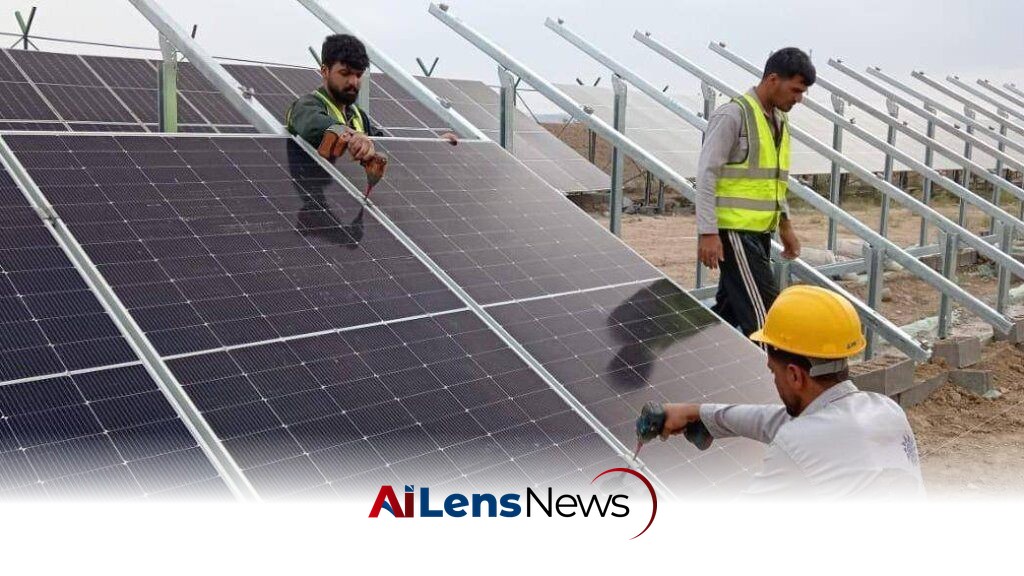


The UNIDO solar initiative in Torbat-e Jam, funded by Korea, boosts renewable energy access for Afghan refugees, improving living conditions and sustainability.
Tehran, Iran Jul 18, 2026 ALN: Funded by the Government of the Republic of Korea and in partnership with the Center for Aliens and Foreign Immigrants Affairs (CAFIA), the United Nations Industrial Development Organization (UNIDO) has implemented a project in the Torbat-e Jam settlement. This initiative expands solar energy capacity, creating significant economic, environmental, and social benefits for both Afghan refugees and the surrounding host community.
Torbat-e Jam, a refugee settlement in northeastern Iran, showcases how renewable energy can enhance daily life while supporting national sustainability efforts. The solar power expansion has notably improved essential services, reduced emissions, and fostered sustainable development for both refugees and their host communities, as announced by the UN in a press release on July 15.
This initiative is part of the project titled "Scaling up Sustainable Settlements for Afghan Refugees in the Islamic Republic of Iran," which aims to enhance living conditions, expand access to sustainable infrastructure, and strengthen livelihood opportunities for refugees while supporting local communities. The project addresses the pressing needs of the Afghan refugee population, which has faced numerous challenges since fleeing conflict and instability in their home country.
The situation for Afghan refugees in Iran is complex, with many living in settlements like Torbat-e Jam for years. The Iranian government has generally been accommodating, providing shelter and some services, but refugees often struggle with limited access to employment, education, and healthcare. This project not only aims to improve living conditions but also to empower refugees by providing them with skills and opportunities that can facilitate their integration into Iranian society.
Building on the achievements of the project’s first phase, UNIDO expanded the settlement’s photovoltaic power plant from 52.25 kilowatts to 200 kilowatts. The upgraded facility became operational in July 2025, enabling the settlement to generate significantly more clean electricity from one of the country’s most abundant natural resources: sunshine. Iran has significant solar energy potential due to its geographic location, which receives ample sunlight throughout the year, making solar power an ideal solution for energy needs in regions like Torbat-e Jam.
The results have been immediate. Within one year, electricity drawn from the national grid declined by nearly 36 percent, while peak electricity demand fell by almost 60 percent. These improvements have lowered energy costs for settlement management, reduced pressure on the national electricity network during high demand periods, and provided a more reliable power supply for schools, health facilities, and other community services. Reliable electricity is crucial for educational institutions and healthcare facilities, as it enables them to function effectively and provide necessary services to the community.
The environmental benefits are equally significant. Each year, the expanded solar plant is expected to generate approximately 432 megawatt-hours of clean electricity, avoiding an estimated 285 tonnes of carbon dioxide emissions. It will also reduce natural gas consumption and save water that would otherwise be used in conventional electricity generation—an important contribution in the arid climate of Torbat-e Jam. Water scarcity is a pressing issue in many parts of Iran, and reducing water usage in energy production aligns with broader national goals of conservation and sustainable resource management.
Beyond the technology itself, the project invests in people. UNIDO organized hands-on training for settlement personnel on operating and maintaining the photovoltaic system, helping build local technical expertise and ensuring the long-term sustainability of the investment. This training also strengthens community ownership of the system and equips participants with practical skills that can support future employment opportunities. Building local capacity is essential for the sustainability of renewable energy projects, as it ensures that communities can manage and maintain their energy systems independently.
“The training gave us hands-on skills and confidence to maintain and optimize the PV system,” said Mohsen, a 29-year-old participant. “I can already see how our teamwork makes power more reliable for our families and community services.” This sentiment reflects the broader impact of the project, which not only provides energy but also fosters a sense of community and collaboration among the residents.
The solar expansion also contributes to Iran’s efforts to increase the use of renewable energy, which can simultaneously advance humanitarian assistance, environmental sustainability, and national development priorities. Iran has set ambitious goals for renewable energy production as part of its commitment to reducing greenhouse gas emissions and addressing climate change. The integration of renewable energy sources into the national grid is seen as a crucial step towards achieving these goals, and projects like the one in Torbat-e Jam serve as important models for future initiatives.
As the project continues, the experience in Torbat-e Jam offers a strong foundation for scaling similar interventions across other refugee settlements in Iran. The success of this project could potentially influence policy decisions regarding renewable energy investments in refugee contexts, demonstrating that sustainable energy solutions can be effectively implemented in challenging environments. With continued collaboration among UNIDO, CAFIA, Iran’s Renewable Energy and Energy Efficiency Organization (SATBA), the Government of the Republic of Korea, and national and local partners, this initiative presents a replicable model for delivering reliable, affordable, and sustainable energy solutions that strengthen both refugee communities and their hosts while advancing national climate and development goals.
In conclusion, the UNIDO solar project in Torbat-e Jam not only addresses the immediate energy needs of Afghan refugees but also contributes to broader environmental and social objectives. By fostering local capacity, reducing emissions, and enhancing community resilience, this initiative exemplifies how renewable energy can play a transformative role in the lives of vulnerable populations, paving the way for a more sustainable and equitable future in the region.
To learn more about the latest developments in Renewable Energy, stay updated with our exclusive reports and analyses on AiLensNews.

