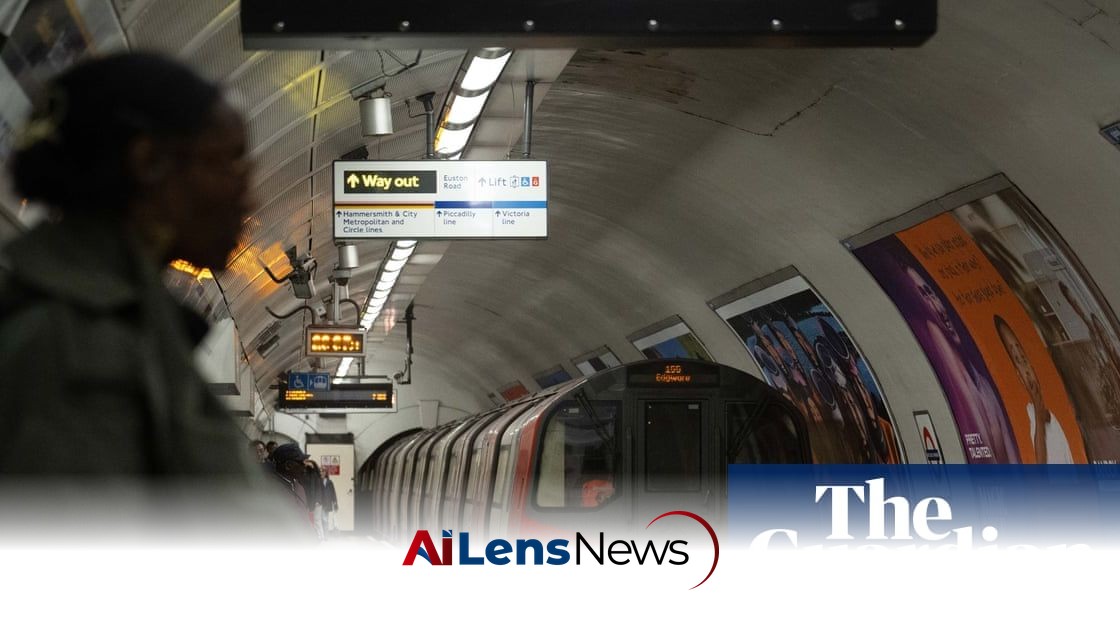


Micky Steeds, a former cleaner, exposes dangers of asbestos and toxic dust in the London Underground, urging public awareness and safety measures.
New Delhi, India Jul 18, 2026 ALN: The London Underground, a vital transportation network serving millions of passengers every day, has recently come under scrutiny due to alarming revelations regarding the safety of its working conditions. A whistleblower, Micky Steeds, a former worker for the Underground, has brought to light serious concerns about the exposure to hazardous materials, including asbestos, that could pose significant health risks to both employees and the general public. Steeds, who began his employment with London Underground in 2018, was tasked with cleaning various locations within the network, including vents and lift shafts where decades of dust had accumulated.
Steeds' experiences highlight the often unseen dangers that workers face in s where hazardous materials may be present. His description of the job paints a vivid picture of the conditions: he and his colleagues frequently emerged from their work looking like chimney sweeps, covered in a thick layer of dust. On one occasion, the dust was so dense that it triggered the fire alarms at Tottenham Court Road station, underscoring the potential dangers of the work .
Upon learning that the dust he was cleaning could contain dangerous levels of asbestos, Steeds began to voice his concerns about the safety protocols in place. Asbestos, a known carcinogen, has been linked to serious health conditions, including lung cancer and mesothelioma. The presence of other harmful substances such as chromium, arsenic, silicates, and iron oxide only compounds the risks associated with the dust in the Underground. Alarmingly, during an employment tribunal, it was revealed that for the first 15 months of his employment, Steeds was not provided with adequate protective equipment. He often relied on paper masks that quickly became saturated, offering little protection against the hazardous materials he was exposed to.
Despite receiving training on handling asbestos, this training came only after he had already been cleaning asbestos-laden cables for 19 months, raising questions about the adequacy of the safety measures in place. Steeds expressed particular alarm over the improper disposal of hazardous waste, stating, "We’re fucking cowboys here, we’re dumping hazardous waste in general waste bags." This revelation indicates a severe breach of safety protocols, which typically require hazardous waste to be double-bagged and disposed of using special methods to prevent contamination and exposure.
In May 2023, a tribunal ruled in favor of Steeds, recognizing his complaints as whistleblowing under the Employment Rights Act 1996. This legal framework is designed to protect employees who report wrongdoing in the workplace, ensuring that they can do so without fear of retaliation. The tribunal concluded that Steeds' concerns were both genuine and reasonable, emphasizing the need for greater public awareness about the risks associated with the tube network. Steeds passionately urged that everyone who uses the London Underground should be informed about the potential dangers they might encounter, stating, "People are being put in danger down there."
In stark contrast to Steeds' claims, London Underground management has maintained that their cleaning practices are safe and do not disturb asbestos. However, the tribunal found that all sites where Steeds worked had asbestos reports indicating its presence, which could be disturbed during dry cleaning processes. This discrepancy raises significant concerns about the management's commitment to ensuring a safe working and protecting public health.
The tribunal also criticized London Underground for its failure to demonstrate compliance with hazardous waste disposal regulations. The improper disposal of hazardous materials not only poses a risk to workers but also to the public, potentially exposing them to harmful substances, including asbestos. Such negligence could lead to both criminal and civil liabilities for the organization, further emphasizing the importance of adhering to safety regulations.
Steeds' employment came to an end in August 2023 when he was dismissed after being signed off work due to anxiety related to the unsafe working conditions. The tribunal found that he had been given an unfair ultimatum to retract his complaints or face termination, indicating that he was pressured to accept that his concerns were unfounded as a condition for discussing his future employment. The judgment stated that London Underground had failed to treat Steeds' disclosures as whistleblowing and had unjustly dismissed him, emphasizing that the principal reason for his dismissal was his making of protected disclosures.
Michael Ballantyne, Steeds’ solicitor, highlighted the stigma faced by whistleblowers, noting that Steeds was perceived as a troublemaker from the outset. This perception often leads to a culture of silence within organizations, where employees may feel discouraged from reporting unsafe practices for fear of retaliation. Ballantyne remarked on the pressure Steeds faced, stating, "When he stood his ground, [London Underground] closed ranks and Steeds was given an ultimatum: either retract his disclosures or be fired." This dynamic underscores the challenges faced by individuals who attempt to bring attention to unsafe practices within their workplaces.
Steeds expressed his satisfaction with the tribunal's ruling, referring to it as his "best achievement" even above his victories in boxing. He expressed a desire to confront those who dismissed his concerns directly in court, highlighting the personal toll that the situation had taken on him. He urged London Underground to take responsibility for the safe removal of hazardous materials, emphasizing the need for immediate action. "They’ve got to get rid of the asbestos somehow. It’s in the caulking, the cables, the fire doors," he stated. He alleged that he had witnessed hazardous dust being dumped on the tracks to avoid proper disposal, a practice that poses serious risks to passengers who may unknowingly be exposed to harmful substances.
In light of these revelations, Steeds has taken a personal stance, stating that he now avoids using the tube, opting instead for bus travel. He expressed a deep concern for the health of the public, stating, "I just want to make people aware of what they are breathing in. It’s not just dust; it’s hazardous waste and they don’t know that." This highlights the broader implications of the situation, as public awareness of such issues is crucial in advocating for safer working conditions and protecting public health.
In response to the tribunal's findings, a spokesperson for Transport for London (TfL) stated that they have stringent controls in place to ensure the safety of both customers and staff regarding asbestos exposure. They emphasized that specialist teams are tasked with monitoring and managing locations where asbestos has been identified. However, the effectiveness of these measures remains to be seen, particularly in light of the serious concerns raised by Steeds and the tribunal's findings. The situation calls for ongoing scrutiny and accountability to ensure the safety of workers and the public who rely on the London Underground for their daily commutes.
To learn more about the latest developments in Pollution & Waste, stay updated with our exclusive reports and analyses on AiLensNews.

