

Bus drivers in the West Midlands voice concerns over unbearable working conditions during recent heatwaves, highlighting safety risks for both employees and passengers.
New Delhi, India Jul 20, 2026 ALN: Bus drivers in the West Midlands have raised alarming concerns regarding the "horrendous" working conditions they face during recent heatwaves, which have seen temperatures soar to 40C in their cabs. The extreme heat has sparked fears for the safety of both drivers and passengers, prompting calls for urgent action. The discomfort experienced by bus drivers serves as a stark reminder of the broader implications of climate change on everyday life and the need for systemic adaptations in public transport.
The UK has experienced a series of heatwaves this summer, with temperatures exceeding 37C last month, marking the hottest June day on record. The Met Office has warned that such climate extremes are becoming the "new normal" for the UK, raising questions about the preparedness of public transport systems to handle these conditions. This shift in climate patterns not only affects the comfort of workers but also has far-reaching implications for public health and safety, particularly in professions that require prolonged periods of outdoor or semi-outdoor work.
Three veteran bus drivers, each with over 20 years of service at National Express, described the conditions in their vehicles as "unbearable". They criticized the lack of adequate air conditioning, which not only affects their comfort but also poses safety risks. One driver shared, "You’re sweating down your back, your face … it’s just been terrible, it’s just been too hot. Some drivers will carry on and you can see that they’re exhausted. They’re not sleeping at night because of the heat and they’re coming to work the next day, expected to maintain massive concentration driving a 12-tonne vehicle." This statement highlights the physical toll that extreme temperatures can take on drivers, who must remain alert and focused while navigating busy city streets.
Another driver added, "It’s like you’ve wet yourself. Your shirt is wringing wet. We’ve even had passengers pass out on the bus." These accounts highlight the urgent need for improvements in working conditions for transport workers. The experiences shared by these drivers illustrate a critical intersection between climate change and occupational health, emphasizing that as temperatures rise, so too do the risks associated with jobs that require long hours in non-climate-controlled s.
The persistent high temperatures have prompted renewed discussions about workplace safety regulations. Green MP Hannah Spencer has announced plans to introduce a bill in parliament aimed at establishing a maximum workplace temperature. This proposed legislation underscores the growing recognition that current health and safety standards may not adequately address the realities of climate change. Additionally, London Mayor Sadiq Khan has pledged support for bus drivers during extreme heat events, indicating a broader political acknowledgment of the challenges faced by transport workers across the UK.
Transforming the UK’s public transport infrastructure is likely to be a key focus for the new Prime Minister, Andy Burnham, who has previously taken steps to bring bus services in Manchester under local public control after decades of deregulation. His administration may face increased pressure to prioritize the welfare of workers and the public in the face of climate change, highlighting the need for sustainable practices in public transport.
While drivers have been granted additional 30-minute breaks to cope with the heat, many remain unaware of this policy and worry about its impact on their pay and potential delays for passengers. One driver expressed frustration with National Express, suggesting that the company would only take the issue seriously if a serious incident occurred. This sentiment reflects a broader concern among workers that their health and safety may be deprioritized in favor of operational efficiency and profit margins.
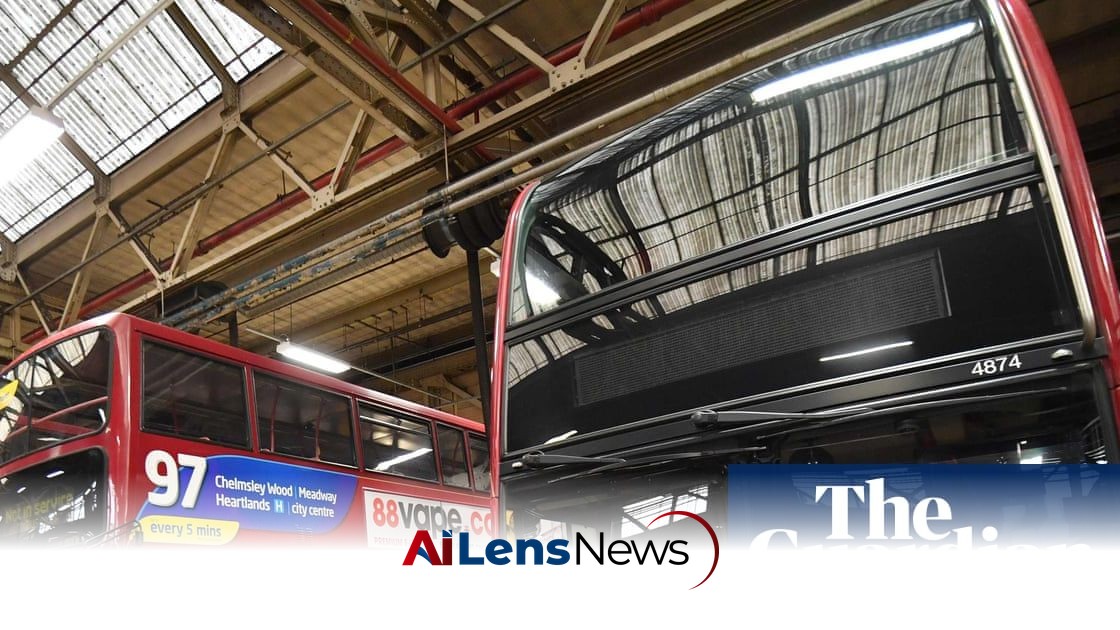
Unite, the union representing National Express drivers, has highlighted that the extreme temperatures in driver cabs are exacerbated by glass windows that trap heat, creating a "greenhouse effect". General Secretary Sharon Graham stated, "Bus drivers have been left sweltering during heatwaves, risking their own health and that of their passengers. We know that heatwaves are becoming more frequent, but this fact seems to take the bus operators by complete surprise every year. Bus firms must stop putting profits before people and act now." Graham's remarks emphasize the need for immediate action to address these systemic issues, as the frequency of extreme weather events is expected to increase in the coming years due to climate change.
Unite has provided drivers with a letter to present to their employers when conditions become too hot, emphasizing their legal right to stop work for safety reasons. The letter states, "To confirm, the reason for my decision is the condition/lack of an adequate, working cooling system on the bus I am being expected to drive in the current extreme heat. I am not refusing to work today." This proactive measure aims to empower drivers to advocate for their safety without fear of repercussions, highlighting the role of unions in protecting worker rights in increasingly challenging s.
A spokesperson for National Express acknowledged the unprecedented weather conditions and expressed gratitude to drivers for their efforts in keeping the region moving. They recognized the discomfort of bus driving in extreme heat and noted that all new electric vehicles are equipped with air conditioning. However, they explained that retrofitting air conditioning in older buses was not deemed cost-effective due to the historically mild UK climate. This rationale raises important questions about the adaptability of public transport systems to a changing climate and the need for investment in infrastructure that prioritizes the health and safety of workers and passengers alike.
In light of the changing climate, the spokesperson indicated that this approach may need to be reassessed. In the meantime, they have implemented measures such as providing extra breaks and free water, urging drivers to take necessary precautions to stay hydrated and safe. While these measures are steps in the right direction, they may not be sufficient to address the fundamental issues of inadequate working conditions and the need for systemic changes in how public transport operates during extreme weather.
The situation underscores the urgent need for improved working conditions for bus drivers in the UK, as climate extremes continue to challenge public transport systems and the safety of those who operate them. As discussions around climate change and its implications for various sectors intensify, the experiences of bus drivers in the West Midlands serve as a microcosm of the broader challenges faced by workers across the nation in adapting to a rapidly changing . The call for legislative action, union support, and corporate responsibility highlights the interconnectedness of climate resilience, worker safety, and public health, emphasizing that a multifaceted approach is necessary to address these pressing issues effectively.
To learn more about the latest developments in Environmental Policy, stay updated with our exclusive reports and analyses on AiLensNews.

