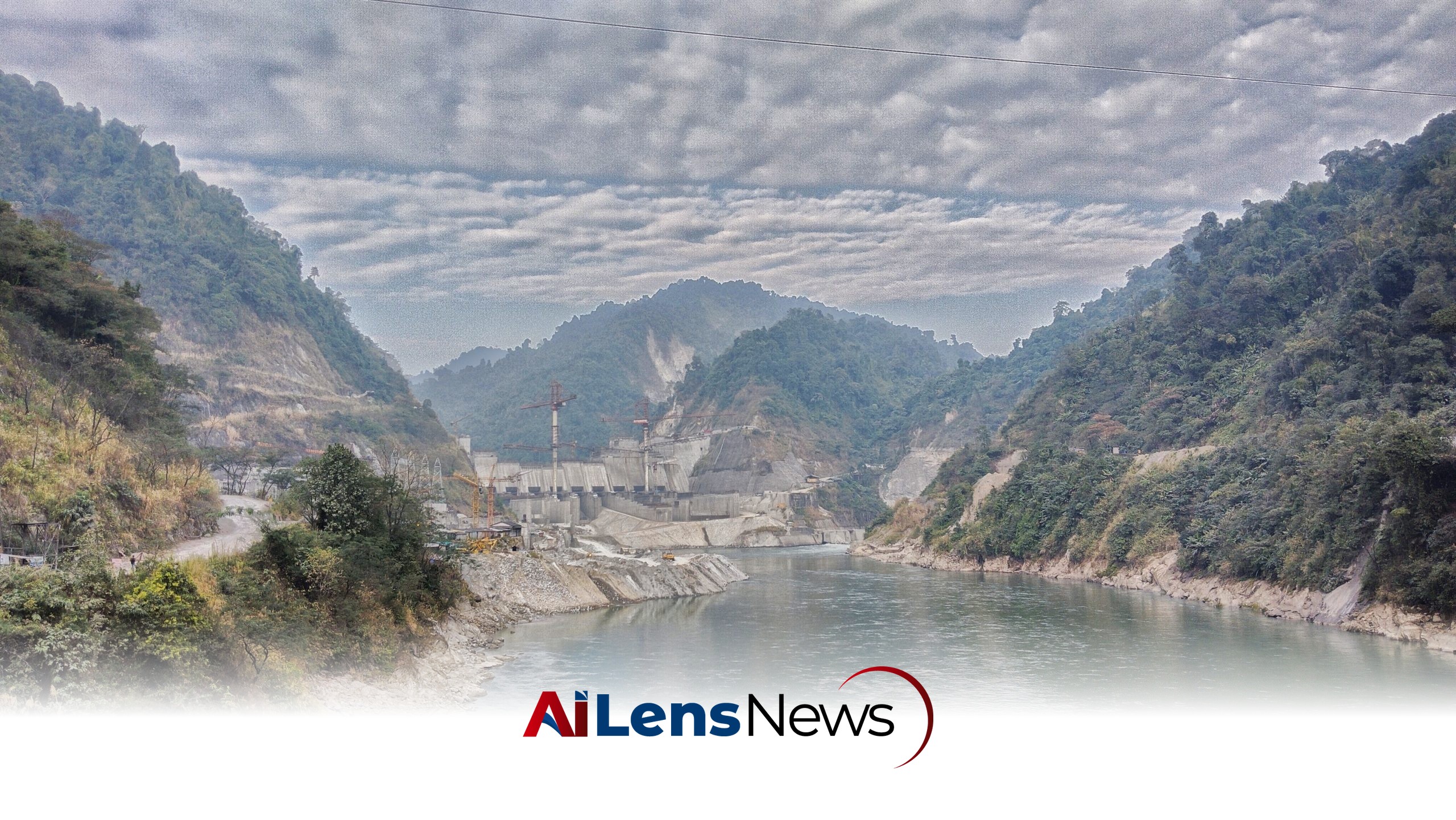


A recent study by IIT Guwahati emphasizes the need for equitable benefits and community involvement in India's Subansiri hydropower project to ensure a just energy transition.
New Delhi, India Jul 13, 2026 ALN: Guwahati: As India pushes hydropower to meet its net-zero ambitions, a new study has reignited the debate over whether large dams can truly balance clean energy goals with the rights of people living downstream. This debate is particularly relevant in the context of the Subansiri Lower Hydroelectric Project (SLHEP), which is one of the largest hydropower projects in the country.
The SLHEP, with a capacity of 2,000 MW, is a significant component of India's strategy to enhance its renewable energy portfolio. Hydropower is viewed as a critical resource in the country’s efforts to reduce carbon emissions and combat climate change. However, the trade-offs involved in such projects have come under scrutiny, particularly concerning the socioeconomic impacts on local communities.
Researchers have found that while the SLHEP has generated jobs, infrastructure, and the promise of cleaner electricity, downstream communities in Assam continue to face a multitude of concerns. These include issues related to flooding, declining fisheries, inadequate compensation, and limited participation in decisions that affect their lives. The study highlights the complexity of hydropower development, where the benefits for some may come at the expense of others.
Published in the journal Energy Research & Social Science, the study argues that the debate should move beyond simply being “for” or “against” hydropower. Instead, it emphasizes the need to evaluate the success of such mega projects based on whether they deliver distributive, procedural, and recognition justice. This means ensuring that benefits and burdens are shared fairly, affected communities are genuinely consulted, and local knowledge and rights are respected.
The paper, titled “Can large hydropower projects deliver a just transition? Exploring perspectives from downstream communities in India,” is authored by Debarpita Banerjee of Prafulla Chandra College, Kolkata, along with Debarchana Biswas, Anamika Barua, and Chayashri Basumatary from the Indian Institute of Technology (IIT) Guwahati. Their research provides a comprehensive overview of the local sentiments regarding the SLHEP, drawing on field surveys across 27 villages in Dhemaji and Lakhimpur districts.
In their investigation, the researchers interviewed 100 households and conducted 16 focus group discussions with villagers, officials, workers, and community representatives to gauge perceptions of the dam’s long-term impacts. The findings reveal a nuanced picture; while the project has brought tangible benefits, such as job creation and infrastructural improvements, these gains have not alleviated the growing sense of inequity among downstream residents.
Many respondents expressed ongoing fears regarding sudden releases of water, which can lead to flooding, as well as concerns about riverbank erosion. Fishermen reported declining catches and shifts in the river’s ecology, with some residents in Lakhimpur referring to stretches of the Subansiri as the “Mora Subansiri” or “Dead Subansiri.” This terminology underscores the profound concerns regarding reduced river flows and ecological degradation that local communities are experiencing.
One of the study’s strongest criticisms pertains to the project’s environmental impact assessment (EIA). The researchers note that the original assessment covered only a seven-kilometer stretch downstream of the dam, leaving many communities outside the official impact zone despite experiencing repeated floods and erosion. Those excluded from the assessment were neither adequately consulted nor compensated, leading to feelings of neglect and disenfranchisement.
The researchers also highlight a significant trust deficit between authorities and local communities. While officials assert that flood warning systems and consultation mechanisms are in place, villagers reported that alerts often arrive too late or are communicated in ways that do not allow them to prepare adequately. This disconnect exacerbates the vulnerabilities faced by downstream residents and raises questions about the efficacy of current governance structures.
Rather than questioning the viability of hydropower itself, the authors recommend reforms aimed at making future projects more socially acceptable. They propose expanding environmental assessments to cover the full downstream impact zone, ensuring equitable benefit-sharing, guaranteeing affordable local electricity, strengthening compensation and grievance mechanisms, adopting river flow rules that protect fisheries and ecosystems, and establishing independent monitoring systems. These recommendations aim to integrate community voices into the planning and implementation of hydropower projects, thereby fostering a more inclusive approach.
The study arrives at a critical juncture as hydropower development accelerates in the Northeast region of India. The paper notes that this region possesses an estimated hydropower potential of nearly 56,000 MW, yet only a fraction has been harnessed to date. Several more projects are in the pipeline across Arunachal Pradesh, Meghalaya, and Nagaland, raising concerns about the cumulative impacts on local communities and ecosystems.
The authors conclude that large dams need not become symbols of conflict if governments prioritize justice in the planning, implementation, and operation phases. They argue that hydropower can play a pivotal role in India's transition to a low-carbon future. However, this is contingent upon treating communities living closest to the rivers not merely as stakeholders but as equal partners in the transition. This partnership is essential for ensuring that the benefits of hydropower development are equitably distributed, and that the voices of those most affected are heard and respected.
In summary, the study underscores the importance of a balanced approach to hydropower development—one that recognizes the rights and needs of local communities while advancing national energy goals. As India continues to invest in renewable energy, the lessons learned from the SLHEP can inform future projects, promoting a more equitable and sustainable energy landscape for all stakeholders involved.
To learn more about the latest developments in Environmental Policy, stay updated with our exclusive reports and analyses on AiLensNews.

