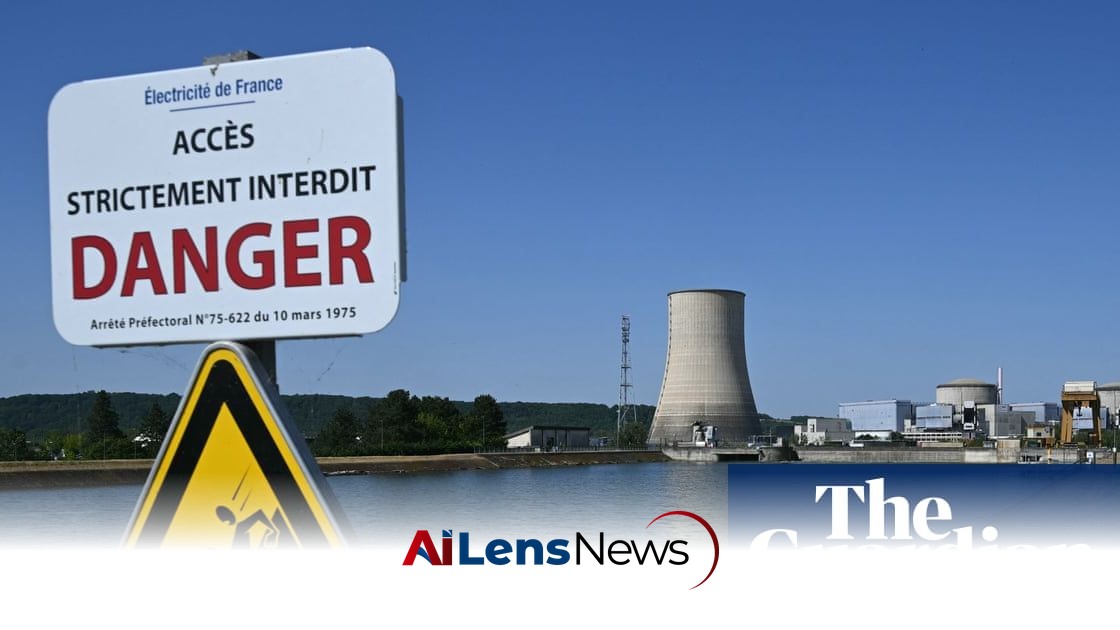


Unusually warm river temperatures due to high heat and low rainfall are impacting nuclear power generation in France, leading to potential output reductions.
New Delhi, India Jul 13, 2026 ALN: Above average temperatures combined with below average rainfall across much of western and central Europe during June and the first half of July have placed increasing pressure on rivers, ecosystems, and energy infrastructure. Persistent high pressure brought prolonged sunshine, suppressed rainfall, and enhanced evaporation, causing river levels to fall and water temperatures to increase. This situation has raised significant concerns regarding the sustainability of energy production, particularly in countries that rely heavily on hydropower and nuclear energy, such as France.
These unusually warm rivers are affecting electricity generation in France, as several nuclear power stations rely on river water for cooling. Under French regulations, operators must limit the amount of heat discharged back into rivers, meaning electricity output may need to be reduced when water temperatures become too high. This regulatory framework is designed to protect aquatic ecosystems from thermal pollution, which can be detrimental to fish and other riverine life. However, the current climatic conditions are forcing energy producers to navigate a delicate balance between meeting electricity demands and adhering to al regulations.
Earlier this month, EDF (Électricité de France) temporarily shut down a reactor at the Golfech nuclear power station after the Garonne River approached its discharge threshold. Production restrictions are expected at the Nogent nuclear power station from July 14 if the river reaches its forecast temperature. The prolonged heat has also increased electricity demand as air-conditioning use has risen across much of Europe. This surge in demand, juxtaposed with reduced nuclear output, creates a precarious situation for energy supply, potentially leading to shortages or increased reliance on fossil fuel-based power generation, which could further exacerbate greenhouse gas emissions.
France's nuclear power generation, which typically accounts for around 70% of the country's electricity, faces significant challenges during heatwaves. The reliance on river water for cooling means that as temperatures rise, the operational capacity of these plants may be severely limited. This has sparked discussions among policymakers and energy experts regarding the need for diversification of energy sources and investment in alternative cooling technologies to mitigate the impacts of climate change on energy infrastructure.
The same persistent weather pattern has produced dangerous wildfires across the Iberian Peninsula. Spain experienced several significant wildfires last week as prolonged heat, exceptionally dry vegetation, and very limited rainfall combined with low relative humidity and periods of gusty winds to create favorable conditions for fire to spread rapidly. One of the largest fires occurred in the Almería province, prompting evacuations and extensive firefighting operations. The impact of these wildfires extends beyond immediate property damage, affecting air quality and public health across the region.
Wildfires in southern Europe have become increasingly frequent and severe in recent years, a trend that many climate scientists attribute to changing weather patterns driven by global warming. The implications of these wildfires are profound, not only for local ecosystems but also for the broader climate, as they contribute to carbon emissions and disrupt carbon sinks. Furthermore, the economic impact on agriculture, tourism, and local communities can be devastating, necessitating a comprehensive approach to disaster management and fire prevention strategies.
Though temperatures are forecast to ease slightly in some areas, weather models continue to indicate generally warmer-than-average conditions across much of southern Europe during the coming week. With little widespread rainfall expected, vegetation is likely to remain dry, meaning wildfire risk will remain elevated across much of Europe, and rivers across western Europe will continue to experience unusually warm conditions. This ongoing situation underscores the critical need for adaptive measures in water management and energy production.
Moreover, the persistence of these extreme weather conditions raises questions about long-term climate resilience. As regions grapple with the effects of climate change, there is an urgent need for governments and industries to invest in sustainable practices, including the development of renewable energy sources, improved irrigation techniques for agriculture, and enhanced infrastructure to withstand extreme weather events. The integration of climate adaptation strategies into national policies will be essential to mitigate the risks associated with rising temperatures and changing precipitation patterns.
In Asia, Typhoon Bavi has weakened to a severe tropical storm after making two landfalls along China’s eastern coast. Despite this, it continues to pose a significant flooding threat as it moves inland. Before reaching China, Bavi rapidly intensified over exceptionally warm waters in the western Pacific, attaining Category 5 strength and becoming one of the strongest tropical cyclones of the 2026 north-west Pacific season. More than 2 million residents were evacuated before the storm reached China, while hundreds of flights, rail services, and ferry operations were suspended. The preparedness and response measures taken by local authorities highlight the importance of disaster readiness in the face of increasingly severe weather events.
Earlier in its track, Bavi brushed the northern tip of Taiwan and passed through Japan’s Sakishima Islands, bringing damaging winds, torrential rainfall, and widespread transport disruption. The impacts of such storms are felt not only in the immediate aftermath but can also have long-lasting effects on infrastructure, economies, and communities. The storm's trajectory and intensity exemplify the challenges posed by climate change, as warmer ocean temperatures fuel more powerful storms, leading to greater risks for coastal populations.
Though the wind strength has eased since landfall, the storm contains a vast reservoir of tropical moisture, with its slow inland progression expected to prolong heavy rainfall across eastern China during the coming week, increasing the risk of flash flooding, river flooding, and landslides. The potential for such disasters emphasizes the need for effective water management systems and urban planning that can accommodate the increased precipitation and flooding risks associated with climate change.
In conclusion, the combination of rising river temperatures and extreme weather events highlights the urgent need for adaptive measures in energy production and disaster preparedness across Europe and Asia. As climate change continues to influence weather patterns, the interconnectedness of global energy systems and al health becomes increasingly clear. Policymakers, businesses, and communities must work collaboratively to develop strategies that enhance resilience, reduce vulnerability, and promote sustainability in the face of an uncertain future.
To learn more about the latest developments in Climate Change, stay updated with our exclusive reports and analyses on AiLensNews.

