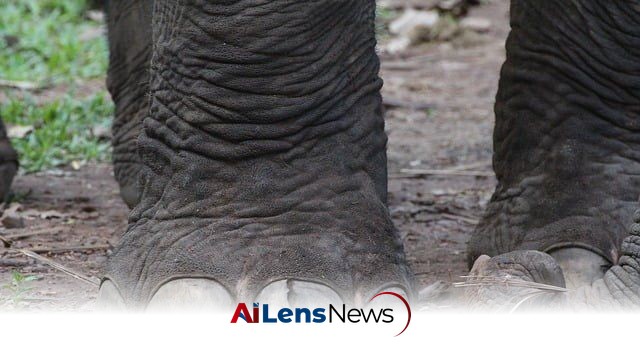


A 45-year-old woman was tragically killed by a wild elephant in West Garo Hills, highlighting the escalating human-elephant conflicts in the region.
Shillong, India Jul 26, 2026 ALN: A 45-year-old woman was trampled to death by a wild elephant in West Garo Hills late Friday night, marking a tragic incident that underscores a growing concern regarding human-elephant conflicts in the region, particularly along the Assam border. This incident is not an isolated case; it reflects a troubling trend that has been escalating over the years, as wildlife habitats continue to shrink due to human encroachment and development.
The victim, identified as Rabha of Lahapara village in Belguri, was tragically killed on the spot when a herd of elephants strayed into the village in search of food. This occurrence has sparked panic among residents, who are increasingly anxious about their safety and the potential for further incidents. The presence of wild elephants in populated areas is becoming more common, as these animals venture into human settlements in search of food sources that are dwindling in their natural habitats.
The incident has left Belguri and nearby border villages in shock. Many locals have expressed their fears regarding the rising frequency of elephant incursions, which pose a significant threat not only to human lives but also to crops and property. The agricultural community in these areas often bears the brunt of such conflicts, as elephants can cause extensive damage to fields, leading to economic losses for farmers. Crop destruction by elephants can result in food insecurity for families who rely on their harvests for sustenance and income.
Forest officials have taken cognisance of the death, acknowledging the severity of the situation. Authorities have indicated that this tragic incident highlights the worsening human-elephant conflict in the West Garo Hills border belt, a region characterized by its rich biodiversity and the presence of both human settlements and wildlife corridors. The increasing overlap between these two worlds is a growing concern for conservationists and local communities alike.
As the population of elephants in the region continues to rise, the competition for resources between humans and wildlife intensifies. Elephants, which are known to roam vast distances in search of food and water, are finding their traditional migratory paths obstructed by agricultural expansion, urban development, and infrastructure projects. This encroachment not only disrupts the animals' natural behavior but also leads to increased encounters with humans, often resulting in conflict.
This situation is not unique to West Garo Hills; similar conflicts have been reported in various parts of India, where habitat loss and human activities have led to dangerous encounters between wildlife and local populations. The elephant population in India is estimated to be around 27,000, and they are classified as endangered due to habitat loss and poaching. The ongoing conflicts highlight the urgent need for comprehensive wildlife management and conservation strategies that address both human safety and the well-being of elephants.
Local groups and community leaders have renewed calls for stronger mitigation measures in response to this tragic incident. There is a growing consensus that proactive strategies are essential to prevent future conflicts. Suggested measures include the establishment of early warning systems that can alert villagers to the presence of elephants in the vicinity, thereby allowing residents to take precautions. Additionally, better habitat management practices are needed to ensure that elephants have access to adequate food sources within their natural environments, reducing the likelihood of them venturing into human settlements.
Enhanced protection for villages located along forest fringes is also being advocated. This could involve the construction of barriers or trenches to deter elephants from entering populated areas, as well as community education programs aimed at teaching residents how to coexist with wildlife safely. Such initiatives could play a vital role in reducing the risk of human-elephant conflicts and ensuring the safety of both people and animals.
The implications of these incidents extend beyond immediate safety concerns. The loss of human life due to wildlife encounters raises questions about conservation policies and the need for sustainable development practices that take into account the needs of both local communities and wildlife. It highlights the importance of finding a balance between human activities and the preservation of natural habitats, which is critical for maintaining biodiversity.
Moreover, the increasing frequency of human-elephant conflicts can lead to a cycle of retaliation, where communities may take drastic measures against elephants perceived as threats. This can result in further harm to elephant populations, which are already facing pressures from poaching and habitat loss. Therefore, it is crucial to approach the issue with a mindset focused on coexistence rather than conflict.
In conclusion, the tragic death of Rabha in West Garo Hills is a stark reminder of the challenges faced by communities living in close proximity to wildlife. As human activities continue to encroach upon natural habitats, the need for effective conflict mitigation strategies becomes ever more urgent. It is imperative that local authorities, conservationists, and community members work together to develop and implement solutions that prioritize safety, protect livelihoods, and ensure the survival of both humans and elephants in this delicate ecosystem.
Furthermore, the role of education in these communities cannot be overstated. Awareness programs that inform local populations about elephant behavior and the importance of wildlife conservation can foster a culture of coexistence. Empowering communities with knowledge about how to respond during elephant encounters can significantly reduce the chances of fatal incidents. In addition, involving local communities in conservation efforts can create a sense of ownership and responsibility towards wildlife protection.
As discussions about land-use policies and development projects continue, it is crucial that the voices of local communities are heard. Their experiences and insights are invaluable in shaping policies that are not only environmentally sustainable but also socially equitable. Collaborative approaches that include community input, conservation science, and sustainable development principles will be key in addressing the complex dynamics of human-elephant interactions in West Garo Hills and beyond.
In summary, the tragic event that claimed the life of Rabha serves as a critical wake-up call. It emphasizes the urgent need for a multi-faceted approach to wildlife conservation that encompasses habitat preservation, community education, and proactive conflict mitigation strategies. Only through collective efforts can we hope to create a future where humans and elephants can coexist peacefully, ensuring the survival of both species in the face of ongoing environmental challenges.
To learn more about the latest developments in Environmental Policy, stay updated with our exclusive reports and analyses on AiLensNews.

