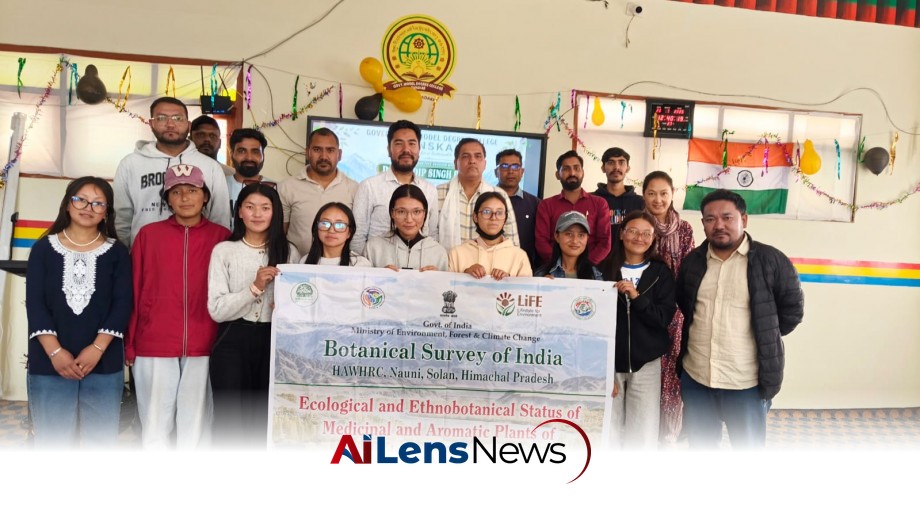


Students at GMDC Zanskar participated in a program focused on the ecological and ethnobotanical significance of 's flora, emphasizing conservation efforts.
Leh, India Jul 21, 2026 ALN: In a remarkable initiative aimed at fostering environmental awareness, students at the Government Model Degree College (GMDC) Zanskar recently engaged in a program dedicated to exploring the floral diversity of the region. The event, organized by the Botanical Survey of India, focused on the ecological and ethnobotanical status of medicinal and aromatic plants found in Zanskar, a unique region known for its rich biodiversity. Zanskar is situated in the northern part of India, within the larger region of , and is characterized by its rugged terrain and high-altitude ecosystems, which contribute to its unique flora and fauna.
The program was designed to educate students about the importance of conserving local flora, particularly in the context of climate change and environmental degradation. Participants learned about various plant species that hold medicinal properties and their traditional uses in local communities. The region's harsh climatic conditions, including extreme temperatures and limited rainfall, have resulted in the evolution of a distinct set of plant species, many of which are endemic to the area. This makes the conservation of these plants not only crucial for the local ecosystem but also for the cultural heritage of the communities that rely on them.
Throughout the program, students participated in various workshops that included hands-on activities such as plant identification, discussions on sustainable practices, and the role of indigenous knowledge in conservation. Experts from the Botanical Survey of India shared insights into the ecological significance of these plants and the urgent need for their preservation. The workshops emphasized the interconnectedness of ecosystems, illustrating how the loss of even a single species can have far-reaching effects on the environment and local communities.
In addition to plant identification, students engaged in practical exercises that involved collecting samples and documenting the characteristics of various plant species. This experiential learning approach not only enhanced their understanding of botany but also fostered a greater appreciation for the delicate balance of nature. The discussions on sustainable practices highlighted the importance of responsible resource management and the need to balance development with environmental preservation.
The initiative not only aimed to enhance students' understanding of floral diversity but also sought to instill a sense of responsibility towards environmental conservation. By engaging with local flora, students were encouraged to think critically about the impact of human activities on biodiversity and the importance of sustainable practices. The program underscored the pressing issues of habitat destruction, climate change, and pollution, which threaten the delicate ecosystems of Zanskar.
Furthermore, the program highlighted the relevance of conservation efforts in the face of globalization and urbanization, which often lead to the exploitation of natural resources. The students learned about the significance of preserving traditional ecological knowledge, which has been passed down through generations and is integral to the sustainable use of natural resources. By understanding the cultural context of plant use, students were better equipped to advocate for conservation strategies that align with local practices and beliefs.
The program also highlighted the role of community involvement in conservation efforts. Local residents were invited to share their traditional knowledge regarding the use of medicinal plants, fostering a dialogue between students and the community. This collaboration is essential for developing effective conservation strategies that respect local customs and practices. Engaging the community not only enriches the educational experience for students but also empowers local populations to take an active role in preserving their natural heritage.
The inclusion of community voices in the program helped bridge the gap between scientific knowledge and traditional practices. By valuing local expertise, the initiative aimed to create a more inclusive approach to conservation that recognizes the importance of both scientific research and indigenous knowledge systems. This collaborative model is crucial for building trust and ensuring the sustainability of conservation efforts in the long term.
As the program concluded, students expressed their enthusiasm for continuing their exploration of Zanskar's unique flora. Many participants indicated a desire to pursue further studies in environmental science and conservation, inspired by the knowledge they gained during the initiative. This interest is particularly significant given the increasing global focus on environmental issues and the need for skilled professionals in the field of conservation.
The program at GMDC Zanskar serves as a vital step towards promoting environmental stewardship among the youth and ensuring the preservation of Zanskar's rich botanical heritage for future generations. By fostering a sense of responsibility and encouraging further academic pursuits, the initiative aims to cultivate a new generation of environmental advocates who are equipped to tackle the challenges posed by climate change and biodiversity loss.
Additionally, the success of this program may serve as a model for similar initiatives in other regions facing environmental challenges. As educational institutions increasingly recognize the importance of integrating environmental education into their curricula, programs like the one at GMDC Zanskar can play a crucial role in shaping the attitudes and behaviors of future leaders in conservation. The long-term implications of such initiatives extend beyond the classroom, potentially influencing policy decisions and community practices that prioritize sustainability and ecological balance.
In conclusion, the engagement of students at GMDC Zanskar in the exploration of floral diversity and conservation represents a significant effort to enhance environmental awareness and promote sustainable practices. Through education, community involvement, and a focus on indigenous knowledge, this initiative not only contributes to the preservation of Zanskar's unique biodiversity but also empowers the next generation to be proactive stewards of the environment.
To learn more about the latest developments in Conservation, stay updated with our exclusive reports and analyses on AiLensNews.

