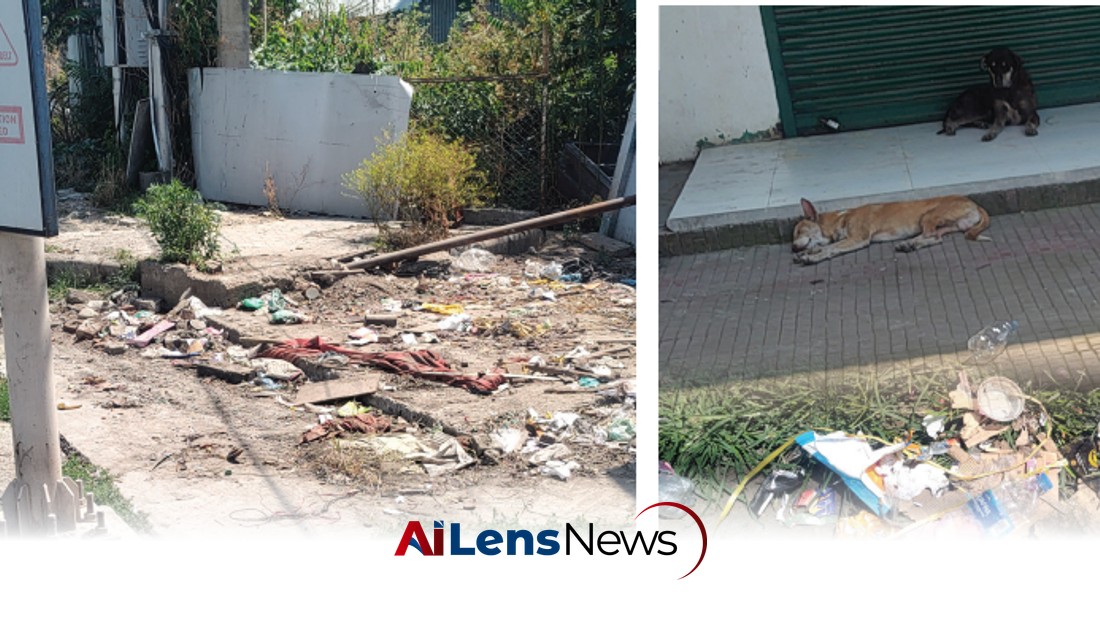


Rural hamlets face a severe sanitation crisis as waste management systems fail, leading to environmental degradation and public health concerns.
Leh, India Jul 24, 2026 ALN: The issue of solid waste management in rural areas has reached a critical juncture, one that calls for urgent attention and action from both the government and the community. The visible signs of this crisis are alarming; every corner of these rural hamlets is marred by plastic waste, sanitary products, pesticide containers, and discarded electronic items, all of which contribute to a growing environmental disaster. The current state of waste management is not merely a local concern but a national ecological emergency. The accumulation of waste has led to severe consequences, including plastic-clogged drains, flash floods, and monsoon flooding, which not only disrupt daily life but also pose significant health risks to the communities affected.
The situation is further exacerbated by the presence of landfills, such as the notorious Achen landfill in Srinagar, which has transformed into a veritable mountain of waste, producing methane gas, leachate, and toxic fumes. The practice of open burning of waste materials is a common sight, polluting the air and contributing to respiratory problems among residents. Rivers, canals, and other bodies of water are not spared from this negligence, as they become dumping grounds for untreated waste, further endangering aquatic life and the health of those who rely on these water sources.
A significant challenge in addressing this crisis is the lack of a solid framework for waste management in rural areas. There is no systematic approach to deal with the ever-increasing heaps of garbage that accumulate in and around these communities. The absence of waste segregation at the source is particularly concerning; many residents are unaware of what constitutes waste and how to dispose of it properly. The Rural Development Department (RDD) is tasked with overseeing sanitation and cleanliness initiatives, but many people are oblivious to the agency's role, which hinders effective community engagement in waste management strategies.
In response to the escalating waste crisis, the Union Ministry of Environment, Forest and Climate Change introduced the Revised Solid Waste Management Rules in 2026, which came into effect on April 1 of that year. These new regulations mandate a four-stream segregation of solid waste at the source, requiring households to separate their waste into wet, dry, sanitary, and special care categories. This initiative aims to integrate the principles of a circular economy and extended producer responsibility, emphasizing the importance of waste segregation and management. While the rules appear promising on paper, the reality on the ground raises several questions. Are the garbage collection vehicles effectively collecting the segregated waste? In many cases, these vehicles do not even reach rural hamlets for months at a time. When they do come, there is no assurance that the waste will be treated appropriately; often, it ends up in open dumping sites, exacerbating the pollution problem.
The inadequacy of the waste collection system has been glaringly evident in various regions, including Khoveripora block, where attempts to improve garbage collection have faltered. Despite the RDD's efforts to arrange collection vehicles along selected routes, the inconsistency in service delivery has led to frustration among residents. The contract with the agency responsible for waste collection expired over five months ago, and tenders for new contracts have yet to be issued. This delay has compounded the solid waste crisis, leaving residents with no choice but to dispose of their waste in open areas, which in turn clogs streams, canals, and rivers with hazardous non-biodegradable materials such as diapers and sanitary pads.
One of the most affected areas is the River Lidder, a vital tributary of the river Jehlum that flows through several hamlets in the Anantnag district. The embankments of this river are littered with heaps of mixed waste, creating a distressing sight for anyone passing by. Particularly near Akura in the Khoveripora block, the situation is dire, with mountains of garbage visible from a distance. Environmental advocates, including Dr. Raja Muzaffar Bhat, have raised concerns about the pollution of the river, but responses from local authorities, such as the Municipal Council of Anantnag and Mattan, have been dismissive. Officials have been reluctant to acknowledge that a significant portion of the waste comes from their municipalities, despite evidence to the contrary. This denial is troubling, especially as tons of waste are reportedly dumped in the river during the early hours of the morning, often by vehicles that obscure their identification numbers.
The implications of this waste crisis extend beyond environmental degradation; they pose serious health risks to the local population. The water supply schemes that draw from the River Lidder serve approximately 70% of Anantnag town and surrounding hamlets, meaning that contaminated water directly affects the health of thousands of residents. The potential for waterborne diseases, particularly in a region where healthcare access may already be limited, is a pressing concern that cannot be overlooked.
Addressing the rural sanitation crisis requires a multi-faceted approach that involves not only government intervention but also community engagement. Education and awareness campaigns are crucial in informing residents about proper waste segregation and disposal methods. Additionally, the establishment of reliable waste collection and processing facilities at the Panchayat level is essential for effective waste management. Without a concerted effort to involve the community, the problem will persist, leading to further environmental degradation and health hazards.
In conclusion, the rural sanitation crisis is a complex issue that demands immediate action. The Revised Solid Waste Management Rules 2026 provide a framework for improvement, but implementation remains a significant challenge. The government must prioritize the establishment of waste management systems that are accessible and effective for rural communities, while residents must be educated and empowered to take responsibility for their waste. Only through collaborative efforts can we hope to mitigate the effects of this crisis and protect the environment for future generations.
To learn more about the latest developments in Pollution & Waste, stay updated with our exclusive reports and analyses on AiLensNews.

