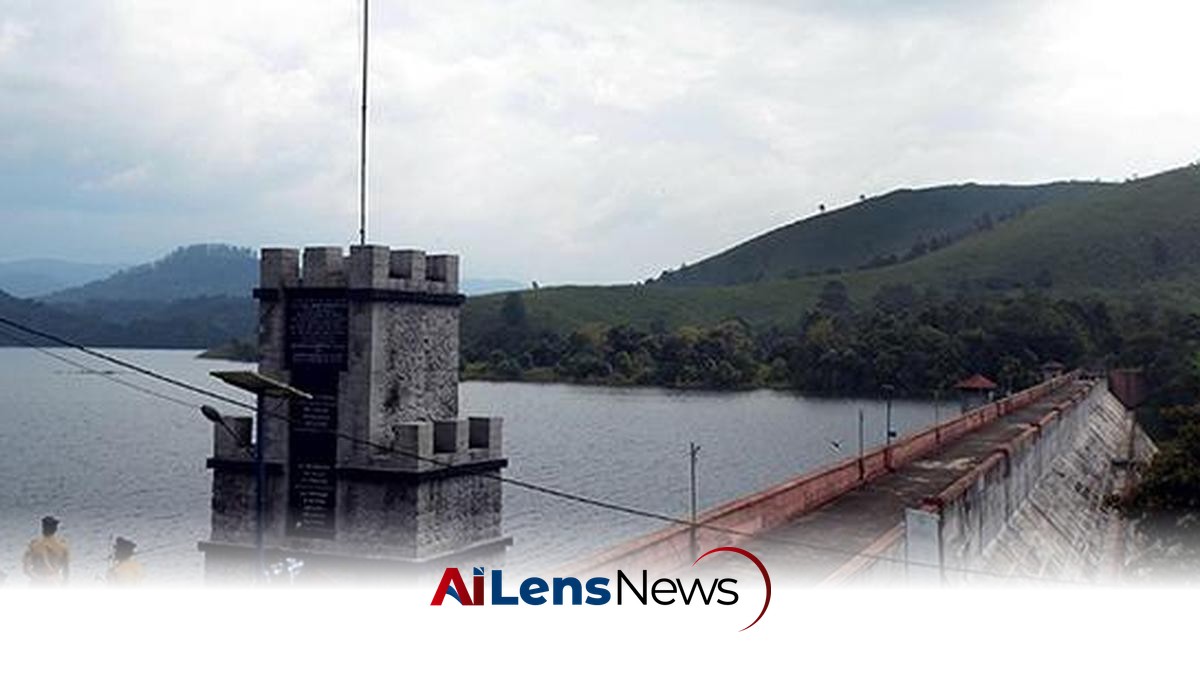


The Mullaperiyar Dam's water levels have dropped significantly, impacting farming and tourism in both and Tamil Nadu. Local farmers are facing severe challenges as drought conditions persist.
Thiruvananthapuram, India Jul 16, 2026 ALN: The Mullaperiyar Dam, situated on the Periyar River in the Western Ghats of India, has become a focal point of concern due to alarmingly low water levels recorded in July. The dam's water storage plummeted to 112.9 feet on a Wednesday, a stark contrast to the 131.4 feet recorded on the same day the previous year. This 18.5-foot deficit has raised alarms among farmers and local communities, particularly in the bordering districts of Tamil Nadu, where agricultural activities are heavily reliant on the water supplied by the dam.
The Mullaperiyar Dam, constructed in 1895, has a storied history and has been a vital source of irrigation for the agricultural lands in Tamil Nadu. The dam operates under a lease agreement between the and Tamil Nadu governments, which has historically been a source of contention. The agreement allows Tamil Nadu to utilize the water for irrigation, while retains ownership of the dam itself. Over the years, this arrangement has led to disputes over water rights, dam safety, and the management of water resources, particularly during times of drought or low rainfall.
The implications of this water shortage extend beyond agriculture; it poses a potential threat to tourism in the Periyar Tiger Reserve (PTR), located in Thekkady. The PTR is a significant ecological zone and a popular tourist destination known for its rich biodiversity and scenic beauty. As the water levels in the dam continue to decline, concerns have emerged regarding the sustainability of boating and other tourism-related activities that depend on adequate water levels. The reserve is home to a variety of wildlife, including elephants, tigers, and numerous species of birds, making it a key area for both conservation and tourism.
R. Lakshmi, the Assistant Field Director (AFD) of PTR, has noted that while current tourism operations are still functioning smoothly, the lack of rainfall in the dam's catchment areas raises serious concerns. "If the water level drops below 110 feet, boating activities may be affected. If this situation continues and the water level drops further, tourism will face disruptions," she stated. The PTR is not only a critical habitat for wildlife but also a source of livelihood for many local residents who depend on tourism for their income. The potential decline in tourist activities could have a ripple effect on local businesses, including hotels, restaurants, and shops that cater to visitors.
The agricultural community in the neighboring districts of Tamil Nadu is particularly vulnerable to the repercussions of low water levels. Approximately 1.5 lakh acres of farmland depend on the water from the Mullaperiyar Dam, with 14,700 hectares situated in the Theni district alone. The current dry spell has left these farmlands parched, threatening the livelihoods of countless farmers who rely on the dam's water for irrigation. The situation is exacerbated by the fact that many farmers in the region have already invested significant resources into preparing their fields for planting.
Manoharan, a caretaker of paddy farms in Gudalur, Tamil Nadu, expressed the plight of local farmers. Traditionally, farmers in this region complete two paddy seasons each year, relying on both rainfall and water from the Mullaperiyar Dam. However, this year has proven to be exceptionally challenging. "Farmers had already prepared their lands for paddy cultivation, and the sprouted rice seeds meant for transplanting are now over-maturing. Farmers spent nearly ₹20,000 per acre to ready the fields for the initial farming phase. However, due to the absence of water, they cannot begin cultivation and may have to skip the season entirely," he lamented. His remarks underscore the financial and emotional toll that such a crisis can inflict on farming communities, many of whom are already struggling with economic pressures. The inability to cultivate crops not only affects their immediate income but also has long-term implications for food security in the region.
Typically, Tamil Nadu begins drawing water from the Mullaperiyar Dam in the first week of June for a 120-day period to support the initial cultivation season. However, the state can only commence water release once the reservoir reaches a minimum level of 118 feet. The current levels, significantly below this threshold, have left farmers in a precarious situation, unable to initiate their planting cycles and facing the prospect of a failed agricultural season. The state's agricultural policies, which depend heavily on the timely availability of water, are now under strain due to these unprecedented low levels.
In response to the dire situation, farmers in Tamil Nadu have turned to spirituality in hopes of rain. An interfaith prayer meeting was organized in front of the Mullaperiyar Dam, where priests from Muslim, Christian, and Hindu communities came together to pray for rain. This act of unity reflects the deep cultural and social ties that bind these communities, as they collectively face the challenges posed by the water crisis. Such interfaith gatherings have historical precedence; a similar low-storage crisis occurred in 2019, prompting farmers' groups to organize interstate prayers in hope of alleviating their plight. This highlights the cultural significance of water in the region and the community's reliance on both spiritual and practical measures to address challenges they face.
The implications of the current low water levels at the Mullaperiyar Dam are multifaceted. They not only threaten the immediate agricultural output and livelihoods of farmers but also have broader ramifications for the local economy, which depends heavily on both agriculture and tourism. The potential disruption of tourism activities in the PTR could lead to a decrease in visitor numbers, affecting local businesses and employment opportunities. The interaction between agriculture and tourism is critical in this region, as both sectors often rely on the same natural resources, making the management of these resources all the more vital.
Furthermore, the situation highlights the ongoing challenges related to water management and distribution in India, particularly in regions where water resources are shared across state lines. The Mullaperiyar Dam has been a subject of contention between the states of and Tamil Nadu, primarily due to concerns over safety and water rights. This historical context adds layers of complexity to the current crisis, as stakeholders must navigate not only the immediate need for water but also the long-term implications of resource management and inter-state relations. The disputes over the dam have often escalated into legal battles, further complicating the resolution of water-sharing agreements.
As the situation evolves, it will be crucial for state authorities and local communities to work collaboratively to address the water scarcity and its impacts. Strategies may include improved water conservation practices, investment in rainwater harvesting systems, and the exploration of alternative irrigation methods to mitigate the effects of climate variability. Additionally, ongoing monitoring of weather patterns and proactive planning will be essential to ensure that both agricultural and tourism sectors can adapt to changing conditions. The integration of modern technology into agricultural practices, such as drip irrigation and soil moisture sensors, could also play a pivotal role in enhancing water efficiency.
In conclusion, the low water levels at the Mullaperiyar Dam serve as a stark reminder of the vulnerabilities faced by agricultural communities and the interconnectedness of environmental, economic, and social factors in managing water resources. The coming weeks and months will be critical as stakeholders seek solutions to navigate this challenging landscape and ensure the sustainability of livelihoods and ecosystems in the region. Addressing water scarcity requires a multifaceted approach that encompasses not only immediate relief efforts but also long-term strategies for sustainable water management, community resilience, and ecological preservation.
To learn more about the latest developments in Climate Change, stay updated with our exclusive reports and analyses on AiLensNews.

