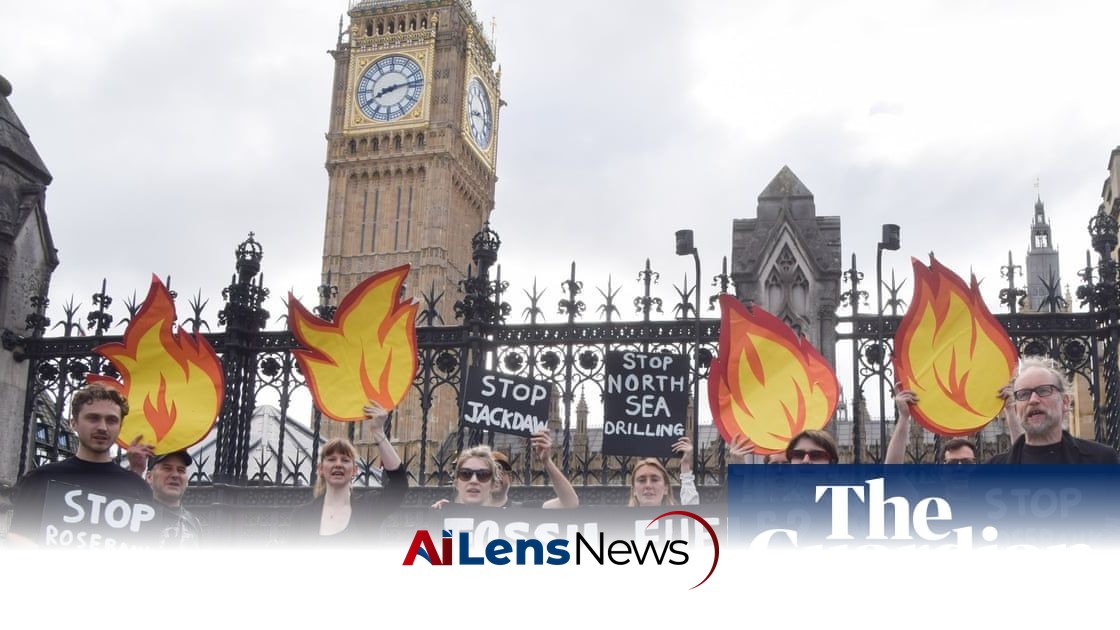


The Jackdaw gasfield in the North Sea is projected to create only 27 direct jobs, raising concerns among campaigners about its economic benefits.
New Delhi, India Jul 17, 2026 ALN: The Jackdaw gasfield, located in the North Sea, is one of the last significant gasfields available for development in the region. Owned by Adura, a joint venture between the multinational oil and gas companies Shell and Norway’s Equinor, the project has recently come under fire due to revelations about its limited potential for job creation and its overall economic impact on the UK. According to a recent impact assessment released by Adura, the Jackdaw gasfield is projected to generate only 27 direct full-time jobs, a figure that has sparked considerable criticism from al campaigners and economic analysts alike.
While industry documents indicate that the Jackdaw project will generate a total of 500 jobs annually when considering direct, indirect, and induced employment, the number of jobs specifically tied to the gasfield itself is surprisingly low. The assessment clarifies that 273 of these jobs already exist on the Shearwater host installation, which is where the gas from Jackdaw will be processed. This leaves only an additional 27 jobs that are directly associated with the Jackdaw gasfield, raising questions about the actual economic benefits that the project will provide to local communities and the broader UK economy.
The fossil fuel industry is known for its robust lobbying efforts, and in the case of the Jackdaw gasfield, various political factions, including the Conservative Party and some segments of the Labour Party, are actively pushing for the approval of the Jackdaw and Rosebank oilfield projects. Proponents of these developments argue that they could support thousands of jobs, but critics remain skeptical about these claims. The disparity between projected job numbers and actual job creation has led to a growing chorus of dissent from al advocates and economic watchdogs.
Angharad Hopkinson, a political campaigner with Greenpeace, has publicly expressed her concerns regarding the validity of job creation claims made by advocates of fossil fuel projects. She points out that the developers' own documents tell a different story, one that contradicts the narrative promoted by fossil fuel cheerleaders who argue that new oil and gas developments are essential for employment. This juxtaposition raises important questions about the integrity of the economic arguments presented by the fossil fuel industry.
al advocates have been vocal in their opposition to the Jackdaw gasfield, arguing that the economic benefits touted by proponents are overshadowed by the potential al damage that could result from its exploitation. Tessa Khan, executive director of the al organization Uplift, cautioned against succumbing to the pressures of the oil and gas industry, stating that it would be a grave mistake for the incoming Prime Minister, Andy Burnham, to prioritize the demands of what she describes as a "profiteering oil and gas industry." Khan's statements highlight the ongoing tension between economic interests and al sustainability, a debate that is particularly relevant in the context of climate change and energy security.
Khan further criticized the project by emphasizing that the companies involved have seen substantial profits while energy costs for consumers have continued to rise. She argues that new drilling in the North Sea is unlikely to alleviate energy costs for the public, but rather will serve to enrich a select group of executives and shareholders. This perspective underscores a broader critique of the fossil fuel industry's practices, particularly in light of the global push for more sustainable energy sources.
Despite the low number of direct jobs associated with the Jackdaw gasfield, Adura maintains that the project will support additional employment in the supply chain. A spokesperson for the company has claimed that the combined Jackdaw and Rosebank projects could peak at 3,500 jobs during the construction phase, with 880 high-quality jobs sustained throughout production across various UK communities. However, these claims have been met with skepticism, particularly from organizations like Uplift, which argue that the projected tax revenues from these developments may be overstated. They contend that the substantial tax reliefs offered to the oil and gas sector could ultimately outweigh any financial returns to the public, suggesting that taxpayers may bear the brunt of the costs associated with the development of Rosebank.
The political landscape surrounding the Jackdaw gasfield is complex, particularly given Labour's manifesto pledge to halt new oil and gas licenses. However, both the Jackdaw and Rosebank projects were included in the licensing system during the last general election, which proponents argue allows them to proceed without violating the party's commitment. This loophole has drawn criticism from green campaigners who assert that it undermines the spirit of Labour's pledge to transition away from fossil fuels.
Fatih Birol, a leading energy economist, has also voiced skepticism regarding the purported benefits of opening new gasfields like Jackdaw, suggesting that they would do little to enhance the UK's energy security. This perspective is particularly relevant in the context of ongoing discussions about energy independence and the role of fossil fuels in the transition to a more sustainable energy future. As the consultation period for the Jackdaw project approaches its conclusion, with the deadline set for August 8, the implications of these developments will continue to be scrutinized by both supporters and opponents of fossil fuel extraction.
In response to the mounting criticism, Adura has asserted that both the Jackdaw and Rosebank projects will be among the lowest emissions developments on the UK continental shelf, which is known for its stringent al regulations. They claim that the average production emissions intensity from their developments could be significantly lower than that of imported liquefied natural gas, framing their projects as a more ally friendly alternative. However, critics like Khan argue that such assessments underestimate the potential impact on climate change, noting that emissions from Rosebank could equate to a staggering 70% of the UK's annual emissions, which she describes as "undeniably significant." This assertion raises critical questions about the balance between energy production and al responsibility, a dilemma that is becoming increasingly urgent in the context of global climate goals.
As the debate surrounding the Jackdaw gasfield continues to unfold, it highlights the broader tensions between economic development, job creation, and al sustainability. The outcomes of these discussions will have lasting implications for the future of energy policy in the UK, particularly as the country grapples with its commitments to reducing greenhouse gas emissions and transitioning to a more sustainable energy system. The decisions made in the coming months will not only affect the immediate economic landscape but will also shape the trajectory of the UK's energy sector for years to come.
To learn more about the latest developments in Environmental Policy, stay updated with our exclusive reports and analyses on AiLensNews.

