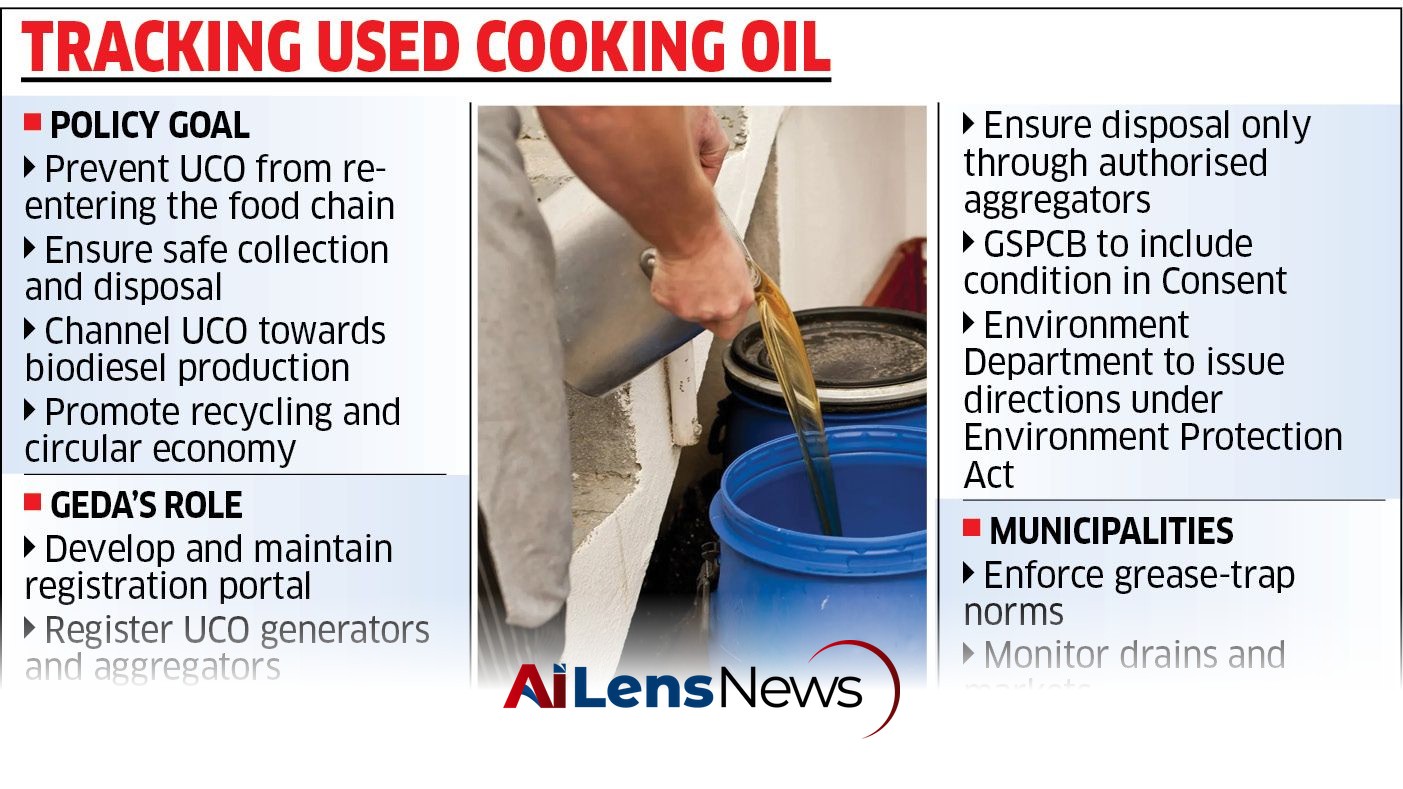


The Goa government has proposed a pioneering framework to manage used cooking oil, aiming to enhance biodiesel production and ensure traceability.
Panaji, India Jul 23, 2026 ALN: Shahin Bepari Lambe
Panaji
In a significant move aimed at enhancing environmental sustainability and promoting the circular economy, the Goa government has unveiled a pioneering framework for the management of used cooking oil (UCO). This initiative is particularly timely, given the increasing concerns over waste management and the environmental impacts of improper disposal of used cooking oil. By channeling UCO towards biodiesel production, the state government seeks to prevent this waste from re-entering the food chain while simultaneously fostering a sustainable energy source.
The proposed Policy Framework for Management of Used Cooking Oil for Reuse as Biodiesel is a comprehensive strategy designed to address the challenges associated with UCO disposal and recycling. The framework is built on a five-pillar approach that includes standard operating procedures, risk-based inspections using advanced technology, digital traceability, incentives for compliance, and stringent oversight of UCO aggregators. This multifaceted strategy aims to ensure that UCO is collected and processed through authorized channels, ultimately contributing to the production of biodiesel, a renewable energy source.
One of the key components of this framework is the establishment of a digital portal managed by the Goa Energy Development Agency (GEDA). Food establishments that generate used cooking oil will be required to register on this portal, ensuring that they only hand over their UCO to authorized aggregators. This system is designed to create a transparent and accountable process for tracking the movement of used cooking oil from its source to recycling facilities.
The Food and Drug Administration (FDA) will play a crucial role in this initiative by conducting risk-based inspections of food establishments. These inspections will utilize handheld Total Polar Compounds (TPC) meters to assess the quality of cooking oil. According to the framework, the acceptable TPC limit for oil in use is set at less than 25%, adhering to the standards established by the Food Safety and Standards Authority of India (FSSAI). This quality control is vital to ensure that only safe and suitable oil is processed for biodiesel production.
To further enhance the traceability of UCO, every collection made by authorized aggregators will be documented through a QR-based, geo-tagged electronic receipt. This innovative approach will enable real-time tracking of UCO from food establishments to recycling facilities. A proposed dashboard will reconcile the amount of oil generated by each establishment with the amount collected by the aggregator, ensuring that any discrepancies are identified and audited. This level of transparency is essential for maintaining trust in the system and ensuring compliance among all stakeholders.
The framework also outlines a system of incentives and penalties aimed at encouraging compliance among food establishments. Those that adhere to the guidelines will be recognized through a proposed ‘Freshly Fried’ certification system, which will allow consumers to access information about an establishment’s latest TPC test results and its record of UCO disposal via a QR code. This initiative not only promotes accountability among food establishments but also empowers consumers to make informed choices regarding the establishments they patronize.
GEDA has been designated as the nodal agency responsible for implementing this policy. In addition to facilitating the establishment of a UCO-to-biodiesel plant, GEDA will coordinate efforts among various government bodies, including the FDA, Goa State Pollution Control Board, Environment Department, municipalities, FSSAI, and industry associations. This collaborative approach is essential for the successful implementation of the framework and for ensuring that all stakeholders are aligned in their efforts to manage used cooking oil effectively.
The implications of this policy framework extend beyond environmental sustainability. By promoting the recycling of used cooking oil into biodiesel, Goa is taking a proactive step towards reducing its reliance on fossil fuels and enhancing energy security. Biodiesel produced from UCO can be utilized in the transport sector, contributing to a reduction in greenhouse gas emissions and air pollution. This aligns with global efforts to transition towards cleaner energy sources and combat climate change.
Moreover, the initiative is expected to create economic opportunities within the state. The establishment of a UCO-to-biodiesel plant could lead to job creation in both the construction and operational phases of the facility. Additionally, the framework encourages local food establishments to engage in sustainable practices, potentially enhancing their marketability and appeal to environmentally conscious consumers.
As the policy is set to come into effect upon notification in the Gazette, stakeholders across Goa will need to prepare for the transition to this new system. Food establishments will need to familiarize themselves with the registration process and the requirements for UCO disposal. Aggregators will also need to ensure compliance with the new regulations to avoid penalties and maintain their authorization status.
In conclusion, the Goa government's innovative framework for used cooking oil management represents a significant step towards sustainable waste management and renewable energy production. By establishing a transparent and accountable system for the collection and recycling of UCO, Goa is not only addressing an environmental challenge but also paving the way for a more sustainable future. The success of this initiative will depend on the cooperation of all stakeholders involved, as well as the commitment to uphold the principles of environmental stewardship and sustainable development.
Used cooking oil has emerged as a pressing environmental concern in many regions, particularly in urban areas where food establishments are prevalent. The disposal of UCO in landfills or down drains can lead to severe environmental consequences, including water pollution and the disruption of local ecosystems. The implementation of a proper management framework is crucial in mitigating these risks and promoting a more sustainable approach to waste management.
Globally, there has been a growing trend towards the recycling of used cooking oil into biodiesel, which is seen as a viable alternative to conventional fossil fuels. Biodiesel produced from UCO is not only renewable but also reduces the carbon footprint associated with traditional diesel. This shift towards biodiesel aligns with international commitments to reduce greenhouse gas emissions and combat climate change. Countries around the world are increasingly recognizing the importance of transitioning to sustainable energy sources, and Goa's initiative is a commendable step in this direction.
In addition to environmental benefits, the framework has the potential to foster innovation and create new business opportunities within the state. Entrepreneurs and businesses focusing on the collection, processing, and distribution of biodiesel can emerge, leading to a more dynamic and sustainable economy. The collaboration between government agencies and private sector stakeholders will be pivotal in driving this initiative forward and ensuring its long-term success.
Furthermore, consumer awareness and education will play a vital role in the success of this framework. By informing the public about the importance of proper UCO disposal and the benefits of biodiesel, the government can foster a culture of sustainability and responsible consumption. Engaging with local communities and stakeholders will be essential in building support for this initiative and encouraging active participation in the recycling process.
As the Goa government moves forward with the implementation of this innovative framework, it is essential to monitor its progress and impact. Regular assessments and feedback mechanisms will be crucial in identifying areas for improvement and ensuring that the framework meets its objectives. By remaining adaptable and responsive to the needs of stakeholders, the government can enhance the effectiveness of this initiative and contribute to a more sustainable future for Goa.
To learn more about the latest developments in Environmental Policy, stay updated with our exclusive reports and analyses on AiLensNews.

