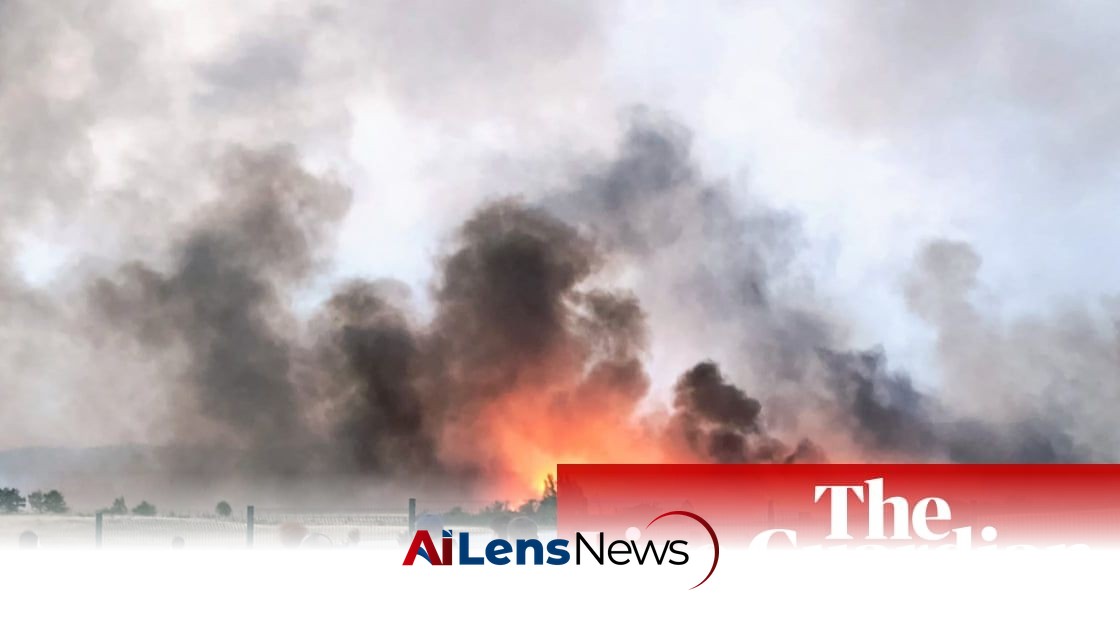


As wildfires rage in France and Spain, over 250,000 people have been evacuated. The situation is exacerbated by severe drought affecting rivers.
New Delhi, India Jul 25, 2026 ALN: In a race against time, France and Spain are battling devastating wildfires that have forced the evacuation of more than 250,000 residents. The fires, fueled by extreme heat and prolonged drought conditions, have raised alarms across Europe, prompting urgent responses from government officials and emergency services. This crisis is not an isolated incident; it reflects a broader trend of increasing wildfire frequency and intensity that many regions are experiencing due to climate change.
The wildfires in France have particularly affected the Gironde region, a significant area known for its vineyards and forests. Prime Minister Sébastien Lecornu has called for the early deployment of an Airbus A400M military transport aircraft to assist in firefighting efforts. Originally scheduled for later this month, the aircraft's deployment has been expedited due to the escalating severity of the wildfires. This decision underscores the urgency of the situation, as local firefighting resources have been stretched thin by the scale of the infernos.
The situation in France is dire, as the country grapples with the aftermath of three consecutive heatwaves. This extreme weather has not only exacerbated the wildfire crisis but has also led to significant ecological and hydrological changes across the nation. The Loire River, France's longest, is experiencing historically low water levels, with some branches reduced to mere trickles. Reports indicate that two weeks ago, 16% of French rivers had dried up, and a quarter of small streams were either stagnant or completely vanished, according to the national low water observatory. Such conditions not only threaten the immediate but also have long-term implications for agriculture, biodiversity, and water supply.
Meanwhile, in Scotland, the Cairngorms National Park is also facing a serious wildfire situation. First Minister John Swinney described the ongoing crisis as a "very serious situation" during an emergency meeting convened to assess the response. The village of Nethy Bridge was evacuated as a precaution after Police Scotland declared a major incident due to changing wind conditions that intensified the wildfire's spread. This highlights the unpredictable nature of wildfires, as they can change rapidly due to all factors such as wind direction and humidity levels.
“This continues to be a very serious situation. Residents, businesses, and people staying in the affected areas will understandably be very worried. My thoughts are with them, and I thank them for their understanding,” Swinney stated. The emotional toll on affected communities cannot be overstated. Evacuations disrupt lives and livelihoods, leading to uncertainty and fear about the future. The psychological impact of such disasters can linger long after the flames are extinguished, with residents grappling with loss and trauma.
Authorities have taken precautionary measures, including the establishment of firebreaks to protect the village of Nethy Bridge. Firebreaks are crucial in wildfire management as they create barriers that can help slow or stop the spread of fire. Police officers have been actively visiting properties to ensure the safety of residents and provide support. This community-focused approach is vital in maintaining public safety and building resilience in the face of such disasters. Engaging with local communities not only helps in immediate response but also fosters a sense of solidarity and cooperation among residents.
The rapidly changing conditions highlight the unpredictable nature of wildfires, as Swinney noted, “This demonstrates how these situations can change very quickly and dramatically.” Firefighting teams are working tirelessly to contain the blaze and create new firebreaks to safeguard communities. The dedication of these teams, often working in extremely hazardous conditions, is commendable and reflects the critical role of emergency services in disaster response. Their efforts are supported by local volunteers and organizations that provide additional resources and manpower, illustrating the power of community in times of crisis.
The wildfires in both France and Spain serve as stark reminders of the increasing frequency and intensity of extreme weather events linked to climate change. The European region has seen a notable rise in temperatures, with summer heatwaves becoming more common and severe. This trend poses significant challenges not only for firefighting efforts but also for public health, agriculture, and overall ecosystem stability. The interplay between climate change and natural disasters is becoming more pronounced, making it essential for governments to adopt proactive measures. In recent years, studies have shown that higher temperatures and prolonged dry spells create ideal conditions for wildfires, making it imperative for nations to develop comprehensive climate adaptation strategies.
As Europe faces the dual challenges of wildfires and drought, the need for effective climate policies and emergency preparedness has never been more urgent. Governments must invest in infrastructure that can withstand extreme weather, enhance early warning systems, and promote sustainable land management practices. Furthermore, international cooperation is essential in addressing the transboundary nature of climate impacts and sharing best practices for disaster management. Collaborative efforts among European nations can lead to more effective responses, as wildfires do not recognize borders and can quickly spread from one region to another.
In conclusion, the ongoing wildfire crisis in France and Spain underscores the pressing need for comprehensive strategies to address the impacts of climate change. As communities continue to grapple with the immediate threats posed by these wildfires, the long-term implications for public safety and health remain a critical concern. The lessons learned from this crisis should inform future policies and preparedness efforts, ensuring that communities are better equipped to face the challenges of a changing climate. The resilience of these communities will depend not only on immediate firefighting efforts but also on long-term strategies that prioritize sustainability and al stewardship. The integration of climate education into public awareness campaigns can also empower communities to take proactive steps in mitigating risks associated with wildfires and other climate-related disasters.
To learn more about the latest developments in Natural Disasters, stay updated with our exclusive reports and analyses on AiLensNews.

