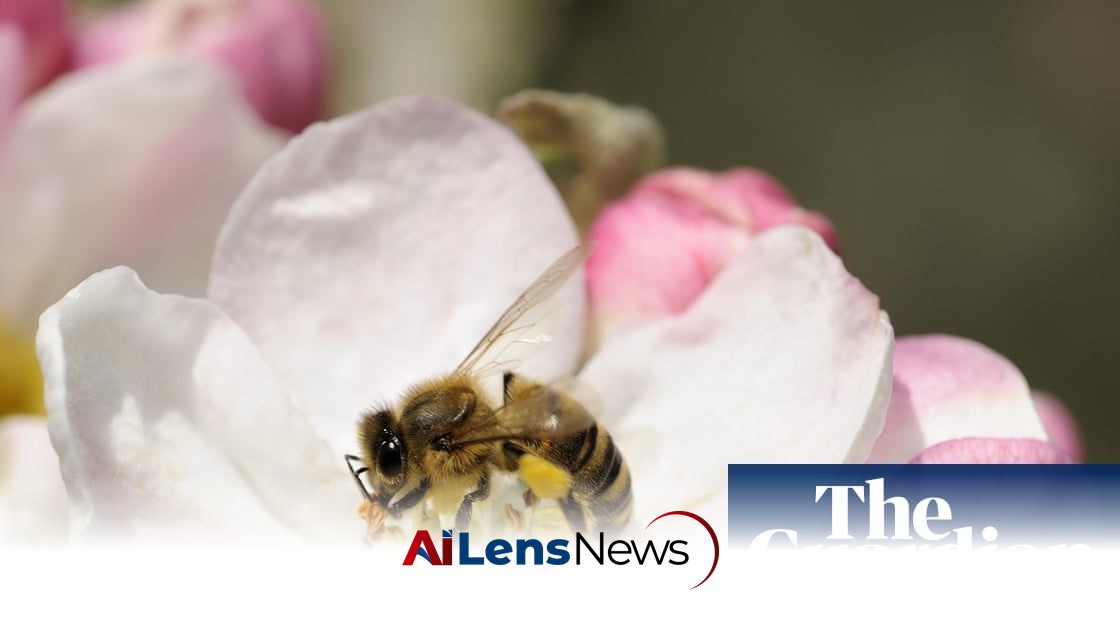


A study suggests that food supplements could enhance honeybee resilience against cold temperatures linked to climate change, though their effectiveness in heat remains limited.
New Delhi, India Jul 15, 2026 ALN: Food supplements for honeybees could help the insects better withstand temperature stresses linked to a changing climate, early research suggests. As honeybees face increasing challenges from climate change, understanding the potential benefits of nutritional interventions has become a focal point for researchers and alists alike. The health and survival of honeybee populations are critical not only for the bees themselves but also for the ecosystems they support and agriculture that relies heavily on their pollination services.
In the study conducted by researchers, scientists found that worker bees fed a mixture of probiotics and inulin, a plant-derived prebiotic, survived prolonged cold exposure better than bees given an ordinary sugar diet. This finding is significant as it highlights the potential for nutritional supplements to enhance the resilience of honeybees against cold temperatures, which can be particularly detrimental during winter months when bees are unable to forage and must rely on stored resources.
However, the supplements offered little meaningful protection against extreme heat. In laboratory tests at 40°C, all the bees died within days, regardless of diet, though some of those receiving higher supplement doses survived slightly longer. This result underscores the complexity of climate impacts on honeybees, as rising temperatures pose a severe threat to their survival. While the study indicates that nutritional interventions may help bees cope with cold, it also raises concerns about their vulnerability to heat stress, which is becoming increasingly prevalent with climate change.
Temperature extremes are becoming increasingly common globally as the burning of fossil fuels causes the planet to heat, though the link between the climate crisis and unusual cold in some regions is complex. The interplay of various climatic factors can lead to unpredictable weather patterns that challenge the survival of honeybees. As the climate crisis worsens, it becomes imperative to explore all avenues that may support bee health and resilience.
Dr. Najmeh Sahebzadeh, an associate professor at the University of Zabol, Iran, and the lead scientist in the study, stated: “As nutritional shortages, pathogens, and extreme weather continue to compound one another, the study is relevant not only to pollinator health but also to broader ecosystem stability and the services that food systems depend on.” This statement reflects the interconnectedness of bee health with overall ecosystem health and agricultural productivity, emphasizing the need for comprehensive strategies to support pollinators.
The study’s findings suggest nutrition may provide managed bees with an additional line of defense against some extreme temperatures. This is particularly relevant as honeybees are often managed in agricultural settings, where their health is directly tied to crop yields. As farmers increasingly rely on honeybees for pollination, understanding how to bolster their resilience through nutritional strategies could have significant implications for food security.
Peter Graystock, an assistant professor in human and animal health at Imperial College London, who was not involved in the study, remarked: “It is interesting that this suggests microbes may be important for changes in climate, which isn’t something that has been looked at very much.” This observation highlights a growing interest in the role of microbiomes in bee health and their potential influence on how bees respond to al stresses, including those brought on by climate change.
The researchers and independent experts clarified that the study was conducted on isolated caged bees, whereas full colonies in outdoor hives would respond to heat in ways that isolated workers cannot. “Colony-level behaviors … wouldn’t necessarily be expressed in a cage study,” said Prof. Giles Budge, an independent expert in crop and honeybee health at Newcastle University. This distinction is crucial as it suggests that the findings may not fully translate to natural settings where bees exhibit a range of behaviors to cope with al challenges.
“A good example is that when honeybees fan their wings together, they can move air through the nest and reduce its temperature. That can mean a behavior intervenes before the thermal stress causes mortality,” Budge explained. Such behaviors are vital for colony survival, as they demonstrate the adaptive strategies bees employ to manage temperature extremes. However, these natural behaviors may not be sufficient to counteract the severe impacts of climate change, particularly as conditions become more extreme.
Graystock added: “Honeybees will change their behavior to try to cool down their hive. But there comes a point where there is only so much they can do.” This statement underscores the limitations of behavioral adaptations in the face of escalating climate challenges, suggesting that additional support, such as nutritional supplements, may be necessary to enhance bee survival.
As the climate crisis worsens alongside accelerating biodiversity loss, honeybees face mounting pressures that threaten their immediate health and long-term survival. The decline of bee populations has raised alarms among scientists and conservationists, as honeybees play a vital role in modern agriculture. Graystock noted, “Many crops depend on insect pollination, and managed honeybee colonies can be moved to where and when they are needed to support crop production.” The reliance on honeybees for pollination highlights their importance not only for ecological balance but also for economic stability in agricultural sectors.
He acknowledged the potential for supplements to help bees survive in colder conditions but emphasized that more research is necessary. “Winter is one of the riskiest periods for honeybee colonies because bees can’t leave the hive to forage and must rely on stored resources to survive,” Graystock explained. The implications of this research extend beyond individual health, as understanding how to support bee populations during critical periods can have far-reaching effects on agricultural productivity.
The researchers also warned against treating supplements as a substitute for healthier landscapes. “Supplementation deals with the immediate physiological stress, not the underlying causes like shrinking forage, fragmented habitat, and pesticide exposure,” said Sahebzadeh. This caution is essential, as it emphasizes the need for a holistic approach to bee conservation that addresses the root causes of decline in bee populations rather than relying solely on artificial means of support.
Graystock added that improvements in floral diversity and countryside management would leave bees less dependent on artificial feeding. “I’d like to think nutritional supplements would not become the norm, because it would suggest that we don’t have healthy landscapes where bees can have healthy food,” he said. This perspective advocates for a balanced approach that prioritizes the restoration of natural habitats and the promotion of biodiversity, which are fundamental to sustaining healthy bee populations in the long term.
To learn more about the latest developments in Climate Change, stay updated with our exclusive reports and analyses on AiLensNews.

