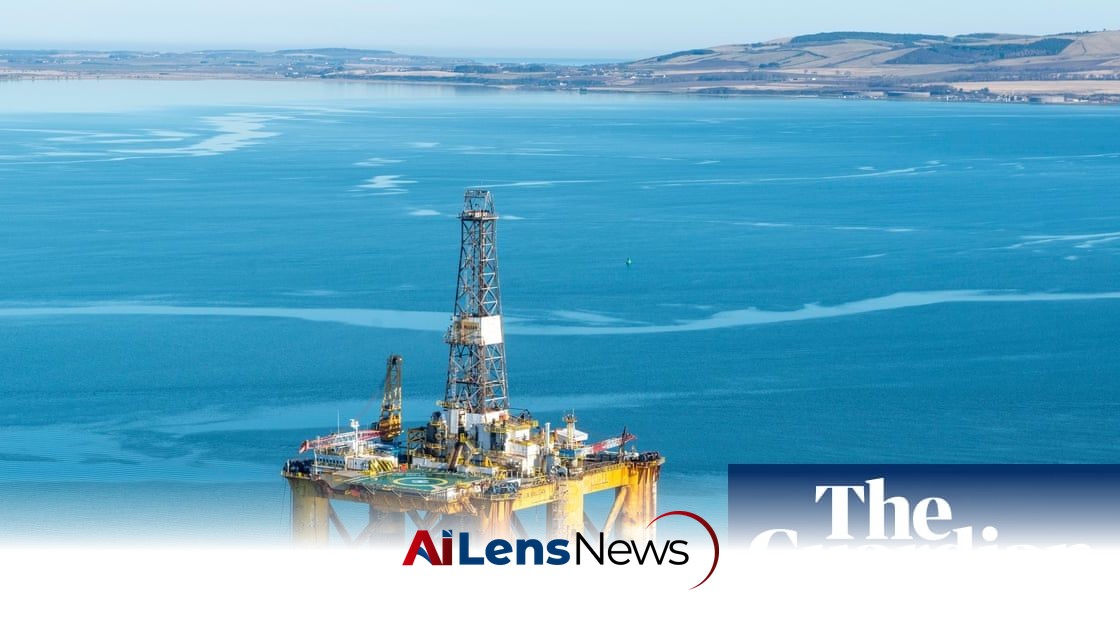


Experts call on Prime Minister to maintain climate commitments and reject controversial North Sea oil drilling, emphasizing the urgency of climate action amid rising temperatures.
New Delhi, India Jul 27, 2026 ALN: Leading climate scientists are urging Prime Minister Rishi Sunak to uphold the carbon neutral commitments made by Greater Manchester's Mayor, Andy Burnham, and to unequivocally reject new oil drilling in the North Sea. This call comes in light of alarming reports suggesting that the government may approve drilling in the Jackdaw and Rosebank oilfields, which have been under scrutiny due to their potential al impact. The implications of such approvals extend beyond local concerns, resonating with global climate commitments and the UK’s role in international climate leadership.
In a letter addressed to the Prime Minister, the scientists, including Professor Kevin Anderson from the Tyndall Centre at the University of Manchester, expressed their concerns regarding the implications of such approvals. They highlighted that Burnham had previously championed one of the UK’s most ambitious local climate programs aimed at achieving carbon neutrality by 2038. This program encompasses critical areas such as housing, green growth, and public transport, all essential components of a sustainable urban .
Reports emerged over the weekend indicating that Burnham might give the green light for new drilling activities in the North Sea, specifically for the Jackdaw and Rosebank oilfields. These projects had initially received approval under the previous Conservative government but were halted due to legal challenges that called for a more detailed al assessment. The court ruling emphasized the need to evaluate the climate impacts of burning fossil fuels extracted from these fields, reflecting a growing acknowledgment of the legal and ethical responsibilities associated with fossil fuel extraction.
The scientists warned that moving forward with these drilling projects would send a detrimental message globally, suggesting that the UK is retreating from its international climate commitments. They stated, "To do so would send a signal around the world that the UK was backtracking on its international climate commitments." This sentiment echoes the broader concerns about the UK’s role in leading global climate action, particularly as it seeks to position itself as a leader in sustainability and green technologies.
Burnham’s Labour party had previously committed to not issuing new oil and gas licenses, but the Jackdaw and Rosebank projects were already in the pipeline before the last general election. A consultation period for the Jackdaw project is set to conclude on August 8, raising further urgency for a decision. The political landscape surrounding climate commitments is complex, with various stakeholders advocating for different approaches to energy security and al responsibility.
The scientists pointed out that with extreme heat and wildfires affecting the UK and Europe this summer, the urgency for action has never been clearer. They noted that global emissions must be reduced by 8% annually to meet the Paris Agreement's goal of limiting temperature rise to 2°C. This target is critical for preventing the most catastrophic effects of climate change, which include severe weather events, rising sea levels, and loss of biodiversity. They urged Burnham to adhere to the commitments he made when announcing the carbon neutral policy for Greater Manchester, emphasizing the need for local leaders to act decisively in the face of global challenges.
As the climate crisis intensifies, the scientists emphasized that the scientific evidence supporting the need for immediate action has only strengthened. They referenced the alarming rise in global temperatures, which have already reached the lower limit of the Paris Agreement's temperature range of 1.5°C. The letter stated, "Extreme weather events are becoming increasingly evident across the UK, most vividly the widespread moorland fires driving air quality to unsafe levels in Greater Manchester." Such events underscore the urgent need for a shift in policy and practice to mitigate the impacts of climate change.
The scientists concluded their letter by urging Burnham to demonstrate the same commitment to scientific evidence and political courage that he exhibited during his leadership in Greater Manchester. They warned that future generations will judge governments not by their justifications for expanding fossil fuel production but by their actions in response to clear scientific evidence and international commitments. This perspective highlights the moral responsibility of current leaders to prioritize sustainable practices that will benefit not only the present population but also future generations.
In light of these developments, the pressure is mounting on the Prime Minister and local leaders to prioritize climate action and uphold the commitments made to ensure a sustainable future. The ramifications of approving new drilling projects extend beyond immediate economic benefits, potentially jeopardizing the UK’s long-term climate goals and its credibility on the international stage.
The debate surrounding fossil fuel extraction is not merely a local issue; it reflects broader global tensions between economic development and al sustainability. Many countries are grappling with similar dilemmas, balancing the need for energy security with the imperative of reducing carbon emissions. The UK, having hosted the COP26 climate conference in Glasgow, is in a pivotal position to influence global climate policy. The decisions made now will resonate far beyond the shores of the North Sea, impacting international climate negotiations and the collective efforts to combat climate change.
Furthermore, the scientific community continues to advocate for a transition towards renewable energy sources as a viable alternative to fossil fuels. Investments in wind, solar, and other renewable technologies are seen as essential for achieving carbon neutrality and fostering economic resilience in the face of climate change. The shift towards a greener economy not only addresses al concerns but also presents opportunities for job creation and innovation.
As the dialogue around climate action evolves, the role of local leaders like Andy Burnham becomes increasingly significant. Their decisions can inspire grassroots movements and influence public opinion, galvanizing support for sustainable policies. The collaboration between scientists, policymakers, and the public is crucial for driving the necessary changes to mitigate climate impacts.
In conclusion, the call from climate scientists for the Prime Minister to uphold Greater Manchester's carbon neutrality pledge and reject new North Sea drilling is a reflection of the urgent need for cohesive action on climate change. The stakes are high, and the implications of these decisions will reverberate through time, shaping the legacy of current leaders and the future of the planet. As the climate crisis continues to unfold, the commitment to sustainable practices must remain at the forefront of political agendas, ensuring that the actions taken today will lead to a habitable world for generations to come.
To learn more about the latest developments in Environmental Policy, stay updated with our exclusive reports and analyses on AiLensNews.

