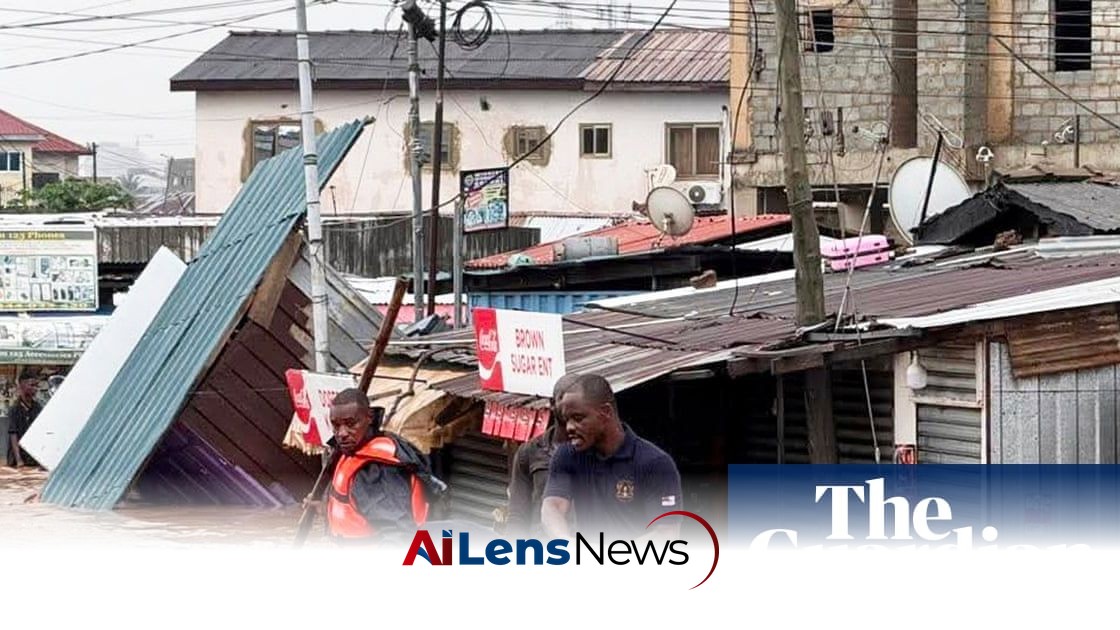


Recent floods in West Africa, exacerbated by climate change, have caused widespread devastation, prompting urgent calls for adaptation and emission reductions.
New Delhi, India Jul 16, 2026 ALN: Dozens of people drowned, hundreds had to be rescued, and thousands were displaced when floods struck the coasts of West Africa last month. Scientists have concluded that the rains that caused these floods were supercharged by climate breakdown. Global heating, they say, turned what should have been a routine weather event into a climate catastrophe.
They also warn that the countries affected must adapt to a frightening new reality. “The climate is changing faster than most nations can adapt,” said Friederike Otto, a professor of climate science at Imperial College London.
“Adapting to these now common events is critical, but so is reducing emissions much further and faster, to allow us time to keep up with the changes we’ve already put into motion. Quite simply, until emissions stop, these extremes will only grow worse.”
Residents on the Gulf of Guinea coast expect rain this time of year, as the rainy season runs from May until the end of July. However, this year’s rainfall had been particularly heavy, and what began on June 20 caught people by surprise.
Over the course of 72 hours, intense rainfall drenched the densely populated coastal regions of Côte d’Ivoire, Ghana, Togo, and Nigeria. More than 140mm of rain fell in some cities in less than a day, overwhelming drainage systems and triggering a series of flash floods. This sudden and severe weather event was not just an anomaly; it was a stark reminder of the changing climate patterns that are increasingly becoming the norm.
From Lagos to Monrovia in Liberia, the overflow inundated neighborhoods and washed away markets. It submerged roads and swamped infrastructure. At least 34 people died in Ghana, while five died in Togo, and 59 have died in Côte d’Ivoire as a result of floods since May. The death toll underscores the immediate human cost of such climatic events, which are expected to become more frequent and severe.
This tragic event has not only led to loss of life but has also had devastating effects on local economies. Many small businesses, especially those reliant on outdoor markets, have been severely impacted. The agricultural sector, vital for food security in these regions, has also suffered as fields were flooded, destroying crops and making it difficult for farmers to access their land. The loss of crops and livelihoods poses a long-term threat to food security, which is already precarious in many parts of West Africa.
Moreover, the displacement of thousands has created a humanitarian crisis, with many families losing their homes and livelihoods. Emergency shelters have been set up, but resources are limited, and the need for food, clean water, and medical assistance is acute. The flooding has also raised concerns about waterborne diseases, as stagnant water can become a breeding ground for pathogens. The risk of cholera and other infectious diseases could rise significantly, putting additional strain on already overburdened healthcare systems in these nations.
On Thursday, Otto and the World Weather Attribution team stated that such a deluge is five times more likely in today’s climate. Heavy, three-day downpours in the region have increased in intensity by roughly 23% since record-keeping began. The alarming frequency of these extreme weather events is indicative of the broader trends associated with climate change, which include rising temperatures and shifting precipitation patterns.
It will not be long until something similar occurs again, they warned. With the climate 1.4C hotter than before the industrial use of fossil fuels, they expect rainfall of a similar scale to occur above the Gulf of Guinea every two to four years. This prediction highlights the urgent need for both immediate and long-term strategies to mitigate the impacts of climate change.
To quantify the role the climate crisis played in the disaster, scientists compared historical weather observations with climate model simulations, focusing specifically on the three most extreme days of rainfall. This rigorous scientific analysis is crucial for understanding the extent to which human activity has influenced weather patterns and contributed to the severity of such events.
Despite climate models often struggling to recreate similar events in regions in the global south, they showed that climate change had caused a 4% increase in intensity. The researchers expressed confidence that greenhouse gas emissions had intensified the event. This finding aligns with broader research indicating that climate change is making extreme weather events more common and severe around the world. The implications of these findings are significant, as they underscore the urgent need for both local and global action to mitigate climate impacts.
Joyce Kimutai, who researches extreme weather and climate change at Imperial College London, was the lead author on the study. She stated, “Climate models typically struggle to capture the full scale of tropical precipitation trends when we look at extreme events like this one.”
“As such, the fact that we found such a role for climate change is significant. Combined with the very wetter trend in the observational data, it’s clear that human-caused warming made this event worse and wetter, with devastating impacts.”
“This study is a clear example of the need for international cooperation on climate justice. Industrialized nations have a responsibility to help nations like Togo, Côte d’Ivoire, and Ghana adapt to a worsening problem that they didn’t cause.”
Climate justice advocates argue that the countries most affected by climate change are often those that have contributed the least to greenhouse gas emissions. This disparity raises ethical questions about responsibility and reparations. The need for developed nations to support developing countries in their adaptation efforts is becoming increasingly urgent as the impacts of climate change continue to escalate. This call for climate justice is not merely a matter of ethics; it is also a matter of global stability and security, as the consequences of climate change could lead to increased migration, conflict over resources, and further humanitarian crises.
As the impacts of climate change continue to escalate, the urgency for both adaptation strategies and emission reductions becomes increasingly critical. The recent floods serve as a stark reminder of the challenges faced by vulnerable regions and the need for global action to address the climate crisis. Local governments in West Africa are often ill-equipped to handle such disasters, lacking the necessary infrastructure and resources to effectively respond to and recover from flooding events.
In conclusion, the floods in West Africa are not merely a local disaster but a reflection of a global issue exacerbated by climate change. The scientific community's findings highlight the interconnectedness of climate systems and the urgent need for collective action. Without significant changes in global emissions and comprehensive support for adaptation, regions like West Africa will continue to face devastating consequences from climate-related disasters in the future. The path forward will require collaboration across borders, investment in resilient infrastructure, and a commitment to reducing greenhouse gas emissions globally. Only through such concerted efforts can the world hope to mitigate the impacts of climate change and protect vulnerable populations from its worst effects.
To learn more about the latest developments in Climate Change, stay updated with our exclusive reports and analyses on AiLensNews.

