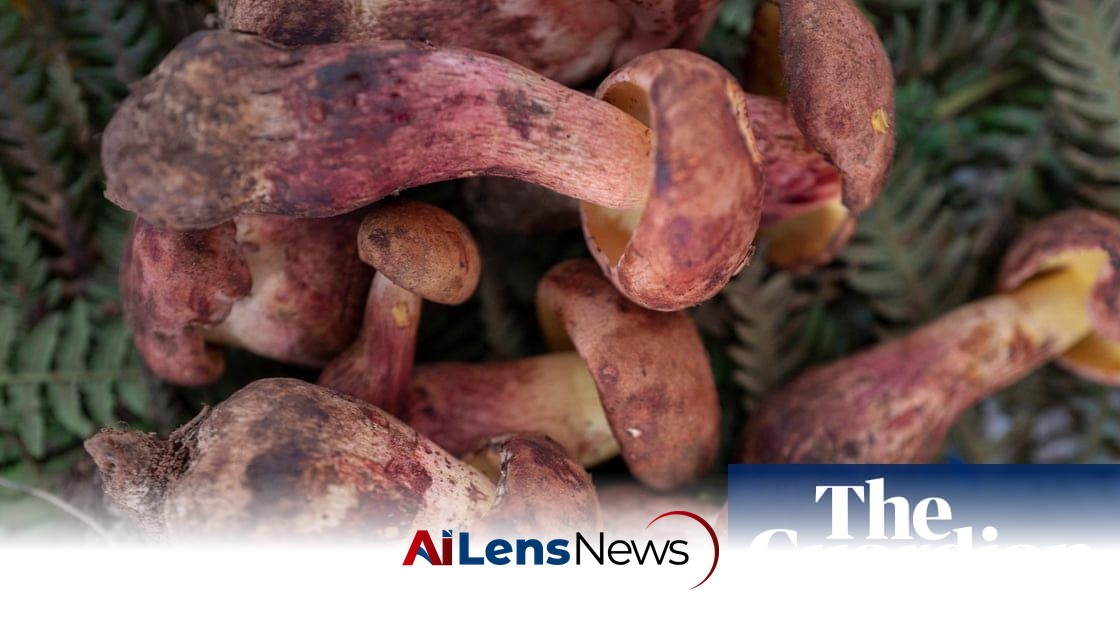


Lanmaoa asiatica, a prized mushroom in Yunnan, China, can induce vivid hallucinations of tiny people. Caution is advised for those who consume it.
New Delhi, India Jul 15, 2026 ALN: Lanmaoa asiatica is a unique bolete mushroom that has gained popularity in Yunnan province, China, due to its delicious taste. However, this mushroom comes with a caveat: it can induce powerful hallucinations that feature tiny people, approximately 2cm tall, dressed in brightly colored clothing. These hallucinations depict the tiny figures engaging in various playful activities such as jumping, running, and climbing in a normal, real-world setting. The vividness and consistency of these hallucinations have sparked both curiosity and caution among those who encounter this intriguing fungus.
The visions triggered by Lanmaoa asiatica are reminiscent of the small characters from the BBC series Small Prophets, albeit without any psychic abilities. This comparison highlights the whimsical nature of the hallucinations, which can present a stark contrast to the often more intense and sometimes disturbing experiences associated with other hallucinogenic substances. Despite its hallucinogenic properties, it is important to note that Lanmaoa is not related to Psilocybes, commonly known as "magic mushrooms," which are known for inducing a wide range of hallucinations due to the presence of the chemical psilocybin. This distinction is significant, as it suggests that the mechanisms by which Lanmaoa asiatica induces its effects may be entirely different from those of other hallucinogenic fungi.
The specific hallucinogenic compound found in Lanmaoa asiatica remains unidentified. Colin Domnauer, a researcher at the University of Utah, is currently investigating the mushroom's properties. His research is crucial not only for understanding the mushroom’s effects but also for exploring its potential applications in medicine and psychology. What is known is that the hallucinations consistently feature tiny people and can persist for several days, leading to a prolonged experience that may affect the daily lives of those who consume the mushroom. Interestingly, cooking the mushroom for 15 minutes can eliminate the hallucinogenic effects, making it safe for consumption. This finding is particularly relevant for culinary enthusiasts who wish to enjoy the flavor of Lanmaoa asiatica without the associated risks of hallucination.
The implications of this research extend beyond mere curiosity about the mushroom's effects. Understanding the active compounds in Lanmaoa asiatica could contribute to the broader field of psychopharmacology, which studies how various substances affect the mind and behavior. If the hallucinogenic properties of this mushroom can be harnessed or replicated, it could lead to new therapeutic avenues for treating mental health conditions, including anxiety, depression, and PTSD, where altered states of consciousness may provide relief or insight. Furthermore, the study of Lanmaoa asiatica may also pave the way for the discovery of other psychoactive compounds found in lesser-known fungi, potentially enriching the field of natural product chemistry.
Aside from its prevalence in Yunnan, Lanmaoa asiatica has only been documented in one other location: the Philippines. This limited geographical distribution adds to the intrigue surrounding the mushroom, making it a subject of interest for both culinary enthusiasts and researchers alike. The fact that this mushroom is not widely found elsewhere suggests that it may have evolved unique properties suited to its specific ecological conditions. The ecological factors that contribute to its growth, such as soil composition, climate, and associated flora, are areas ripe for exploration.
The cultural significance of mushrooms in both Yunnan and the Philippines also cannot be overlooked. In many cultures, mushrooms are not just food; they hold symbolic meanings and are often intertwined with local folklore and traditions. The discovery of a hallucinogenic mushroom like Lanmaoa asiatica could lead to a reevaluation of how such fungi are perceived in these societies, potentially influencing culinary practices, medicinal uses, and even spiritual beliefs. For instance, in Yunnan, mushrooms have long been a staple in local cuisine, and the introduction of a hallucinogenic variant could spark interest in new culinary trends or even rituals centered around the mushroom. In the Philippines, where indigenous practices often celebrate the natural world, the presence of Lanmaoa asiatica could reinvigorate traditional uses of mushrooms in local healing practices.
While Lanmaoa asiatica is celebrated for its flavor, consumers should exercise caution due to its potential to induce vivid hallucinations. The dual nature of this mushroom—as both a culinary delight and a source of powerful hallucinations—presents a unique challenge for those who wish to explore its offerings. Understanding the effects and preparation methods can help mitigate the risks associated with this fascinating mushroom. As research continues, it is hoped that further insights will be gained into the properties of Lanmaoa asiatica, potentially unlocking new culinary and therapeutic possibilities. The story of this mushroom is still unfolding, and its impact on both local cultures and the broader scientific community remains to be fully realized.
As the interest in Lanmaoa asiatica grows, it is essential for both consumers and researchers to approach this mushroom with a balanced perspective. Education about its effects, preparation methods, and cultural significance can facilitate a more informed dialogue surrounding its use. Additionally, the mushroom's unique properties may inspire further scientific inquiries into the vast world of fungi, which holds untapped potential for both culinary and medicinal applications. The future of Lanmaoa asiatica may very well depend on the ongoing collaboration between local communities, culinary experts, and scientific researchers, all of whom play a role in understanding and appreciating this remarkable organism.
To learn more about the latest developments in Biodiversity, stay updated with our exclusive reports and analyses on AiLensNews.

