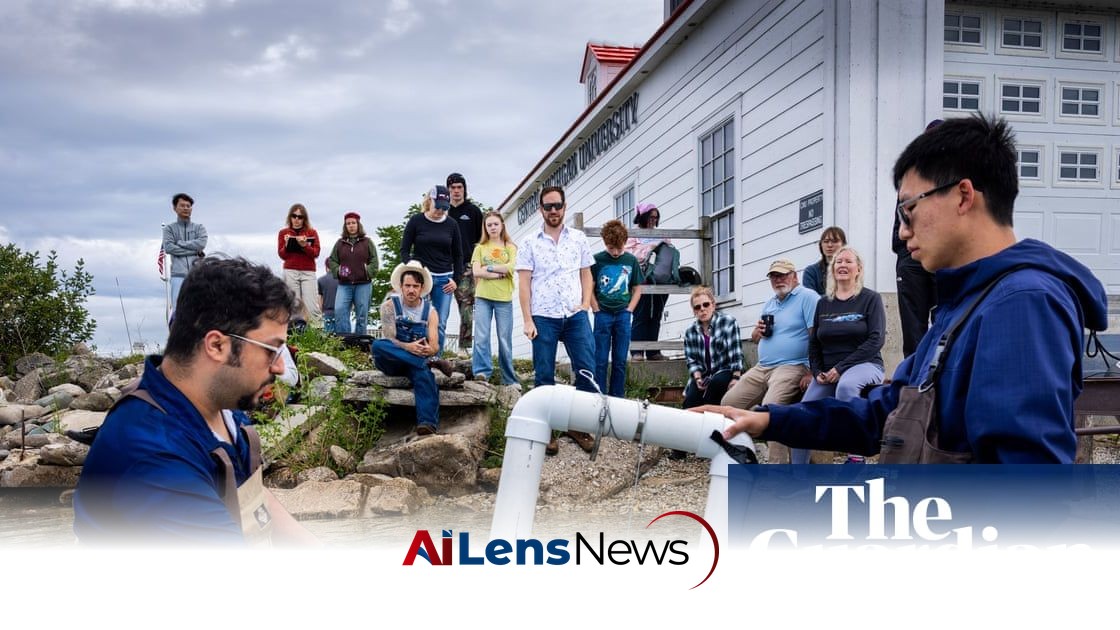


Beaver Island, located in Lake Michigan, is exploring wave energy as a reliable power source to enhance energy security for its residents.
New Delhi, India Jul 9, 2026 ALN: Beaver Island sits in the middle of the northernmost end of Lake Michigan, about 70 miles from the maritime border with Canada. This forested island, which is just a little larger than San Francisco in size, is a popular summer destination for tourists and home to approximately 600 permanent residents. Access to the island is limited, requiring either a boat or a plane ride, which adds to its charm but also complicates logistics, especially when it comes to essential services like electricity.
Electricity supply to Beaver Island is fraught with challenges. The power is transmitted from mainland Michigan through cables that cross roughly 30 miles of lake bed. This reliance on a single source makes the island vulnerable to outages, particularly during extreme weather conditions or when there are issues with the sensitive underwater cables. A notable example of this vulnerability occurred last year when a devastating ice storm swept through the state, leaving the island without power for weeks. Such outages not only disrupt daily life but also pose risks to health and safety, especially during winter months when heating is crucial.
In light of these challenges, some residents are advocating for a more reliable and locally generated source of power. Fortunately, there is an abundant and underutilized resource right at their doorstep: the waves that surround the island. The potential for harnessing wave energy has garnered attention, leading to innovative projects aimed at improving energy security for remote communities like Beaver Island.
In June, researchers from the University of Michigan gathered on the shoreline to deploy two experimental devices designed to convert the kinetic energy of waves into electricity. These prototypes, which resemble small boats framed with PVC pipes and are roughly the size of a yoga ball, demonstrated their potential by successfully powering a lightbulb and charging a mobile phone. This initial success highlights the feasibility of wave energy as a supplemental power source for the island.
The project is part of a broader initiative across the United States to explore alternative energy sources that can enhance reliability in remote locations. For Beaver Island, the researchers spent two years engaging with residents to understand their energy needs, with a particular emphasis on ensuring a dependable power supply for the local airport—an essential hub for transportation and emergency services. “We need to work with the community together to identify the need and design together with them,” said Lei Zuo, an engineering professor at the University of Michigan and the lead researcher on the project. This collaborative approach underscores the importance of community involvement in energy projects, ensuring that solutions are tailored to local requirements.
Many residents of Beaver Island are already exploring renewable energy options. Some have installed solar panels or utilized geothermal energy to power their homes and businesses. In previous years, the island has also received federal funding aimed at improving access to renewable energy sources. However, the future of such programs has come into question, particularly following the cancellation of grants and initiatives by the Trump administration, raising concerns about how these projects will be funded moving forward.
Efforts to enhance energy reliability are not unique to Beaver Island; similar initiatives are underway in remote communities across the country. For instance, Galena, a town in Alaska, is investing in solar and biomass energy solutions to reduce its reliance on diesel fuel and to create a buffer against extreme weather conditions. Beaver Island hopes to similarly bolster its energy independence and resilience against outages.
“It’s a combination of looking at cost savings and also wanting to be independent and not dependent on the mainland for everything,” said Seamus Norgaard, who spends his summers on the island. This sentiment reflects a growing desire among many remote communities to establish greater self-sufficiency in energy production, especially in light of the challenges posed by climate change and the increasing frequency of severe weather events.
Beaver Island is not alone in its quest for energy independence. Residents of Adjuntas, Puerto Rico, for example, developed a community-owned solar microgrid in the aftermath of Hurricane Maria. This system has proven invaluable, allowing electricity to continue flowing even when the island's traditional grid fails. The success of such microgrids serves as a model for other communities seeking to improve reliability through locally generated power.
Despite the promising potential of wave energy, experts caution that it is unlikely to serve as a sole source of power. Dan Hellin, the director of PacWave, an offshore testing facility in Oregon, notes that “finding something that works within the region is critical.” He emphasizes the importance of developing a diverse suite of renewable energy sources tailored to local conditions, which could include solar, wind, and wave energy working in tandem.
However, the adoption of wave energy technology faces several hurdles, including high costs and deployment challenges. As a relatively new field, there is still no standardized design for wave energy converters, which adds to the complexity of implementation. Funding remains a significant obstacle as well; most wave energy projects in the United States rely on federal support. The Michigan experiment is backed by National Science Foundation grants awarded two years ago, but the landscape for marine energy funding is uncertain. While the Trump administration's policies have been generally unfavorable toward renewable energy, hydropower, including marine energy, has not faced the same level of scrutiny. Early in his second term, President Trump prioritized hydropower as a domestic energy source, indicating a potential avenue for future support.
The University of Michigan's wave energy project aligns with similar efforts across the country aimed at advancing wave power technology toward commercialization. The research team is also involved in a comparable project in North Carolina’s Outer Banks. Beyond Michigan, companies like CalWave have tested wave energy devices off the California coast, and Hawaii has hosted a dedicated testing site for over a decade, indicating a growing interest in harnessing marine energy.
While the waves on the Great Lakes are generally smaller and more seasonal than those found in ocean s, researchers believe that studying these inland seas could contribute significantly to the advancement of wave energy technology as a whole. Saeid Bayat of the University of Michigan describes the Great Lakes as an "ideal experimental bathtub," offering real-world wave conditions that are easier, safer, and less expensive to access than most ocean sites. This unique setting provides a valuable opportunity for researchers to refine their designs and improve the efficiency of wave energy converters.
Back on Beaver Island, the research team plans to continue improving the prototype and aims to install a final version in the coming years. Community members, including Norgaard, are eager to see this technology come to fruition. “There is that excitement about these new futures and cleaner sources, and more locally produced, dependable sources of energy,” he said. This enthusiasm reflects a broader trend toward embracing renewable energy solutions that not only offer al benefits but also enhance local resilience and independence.
As the world grapples with the effects of climate change and the need for sustainable energy solutions, projects like the one on Beaver Island serve as important examples of how communities can harness local resources to meet their energy needs. By exploring wave energy and other renewable sources, Beaver Island is taking proactive steps toward a more sustainable and resilient future, setting a precedent for similar efforts in remote communities across the globe.
To learn more about the latest developments in Renewable Energy, stay updated with our exclusive reports and analyses on AiLensNews.

