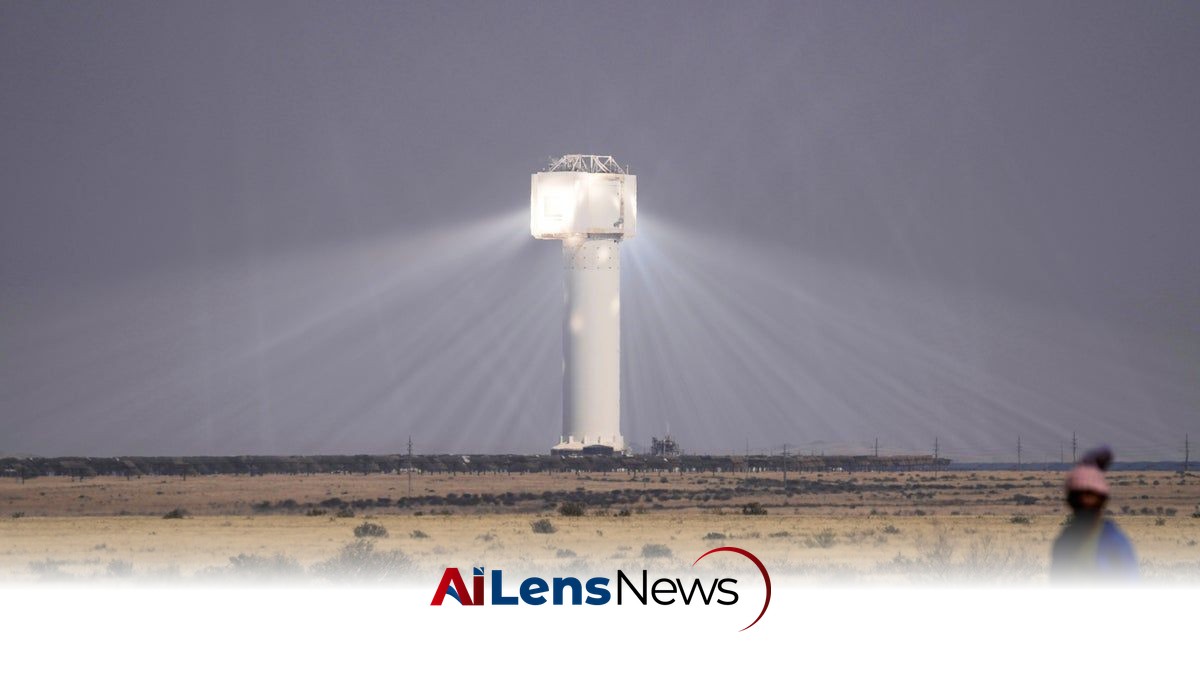


Africa's renewable energy transition is shifting towards establishing the necessary institutions to deploy clean energy at scale, addressing regulatory and market challenges.
London, United Kingdom Jul 12, 2026 ALN: Africa's energy landscape is undergoing a significant transformation as the continent grapples with the pressing need to build robust institutions capable of supporting the rapid deployment of renewable energy. This shift in focus comes at a time when the global clean energy sector is witnessing unprecedented growth, with renewables generating 34% of the world's electricity in 2025, surpassing coal's 33% share. The implications of this shift are profound, particularly for a continent where approximately 600 million people still lack access to electricity.
The transition to renewable energy in Africa is not merely about the availability of resources or technology; it is increasingly recognized as a challenge of institutional capacity. The need for effective regulatory frameworks, market structures, and financial systems has become paramount as the demand for energy continues to rise due to factors such as industrialization, electrification, and advancements in artificial intelligence. Experts assert that the bottleneck in the energy transition has evolved from technological constraints to the systems that underpin energy delivery.
The recognition of this shift was underscored by former New York City Mayor Michael R. Bloomberg, who serves as the U.N. Secretary-General's Special Envoy on Climate Ambition and Solutions. In a recent announcement, Bloomberg unveiled a new initiative backed by Bloomberg Philanthropies, allocating $285 million to bolster clean energy industries in emerging and developing economies. He emphasized that while clean energy has become more affordable than fossil fuels in nearly every part of the world, fixable obstacles still impede its deployment. Bloomberg's initiative aims to address these barriers by investing in enhancing market design, regulatory capacity, technical expertise, and industry institutions.
The focus on institutional strengthening reflects a growing consensus among experts and stakeholders that Africa's energy transition is less constrained by a lack of renewable resources than by the institutional frameworks necessary to translate these resources into viable energy projects. Many renewable energy projects in Africa face significant delays due to weak market designs, fragmented regulatory systems, and cumbersome permitting processes. These challenges hinder the ability of projects to secure funding and connect to national power grids.
Saliem Fakir, the executive director of the African Climate Foundation, articulated this sentiment, stating, "What has been missing is not the potential, but the institutional infrastructure and capabilities to unlock it." He highlighted the importance of targeted philanthropic efforts that address these gaps, suggesting that such interventions could significantly alter the trajectory of the continent's energy system.
As the costs of renewable energy technologies continue to decline and investment interest grows, many investors express concerns about the policy uncertainties and regulatory challenges that persist. Wangari Muchiri, the founder and chief executive of RE.Think Energy, noted that the commitment to institutional development signals a critical shift in the energy transition narrative. She stated, "The next phase of the energy transition is not about proving clean energy works; it’s about removing the barriers preventing it from scaling fast enough." This perspective underscores the urgency of addressing institutional weaknesses to unlock the full potential of renewable energy in Africa.
The Bloomberg initiative aims to go beyond setting ambitious renewable energy targets. It seeks to facilitate the attraction of long-term investments and ensure that renewable energy projects can connect to national grids effectively. By focusing on the institutional frameworks that support these projects, the initiative recognizes that the next chapter in Africa's renewable energy story will be defined not only by the projects constructed but also by the institutions that enable their success.
Historically, Africa has been rich in renewable energy resources, including solar, wind, hydro, and geothermal energy. However, the continent's energy transition has often been hampered by a lack of coordinated policies and regulatory frameworks that can attract and sustain investment. The African Union and various regional bodies have made strides in promoting renewable energy, but the implementation of these initiatives has been inconsistent across different countries. This inconsistency creates an environment of uncertainty for investors, who are often wary of committing capital to projects in regions where the regulatory landscape is unclear.
The need for stronger institutions is particularly critical in light of the increasing demand for electricity driven by population growth and economic development. As urbanization accelerates, cities across Africa are experiencing significant increases in energy consumption. Without a robust institutional framework to manage this demand and facilitate the integration of renewable energy sources, the continent risks falling further behind in its energy goals.
Moreover, the implications of strengthening institutions extend beyond mere energy access. A more resilient energy system can contribute to economic growth, job creation, and improved quality of life for millions of Africans. By investing in the necessary institutional infrastructure, stakeholders can foster an environment that not only supports renewable energy development but also enhances overall economic stability and resilience against climate change impacts.
In conclusion, the transition to renewable energy in Africa is at a pivotal moment. While the continent possesses abundant resources and a growing appetite for investment, the path forward requires a concerted effort to build the institutional frameworks that can support sustainable energy development. The initiatives such as those led by Bloomberg Philanthropies represent a crucial step in addressing these challenges, ensuring that Africa can harness its renewable energy potential for the benefit of its people and the planet. As the world continues to shift towards cleaner energy sources, the role of strong institutions in Africa will be essential in determining the success of this transition and the ability to provide reliable energy access for all.
To learn more about the latest developments in Renewable Energy, stay updated with our exclusive reports and analyses on AiLensNews.

