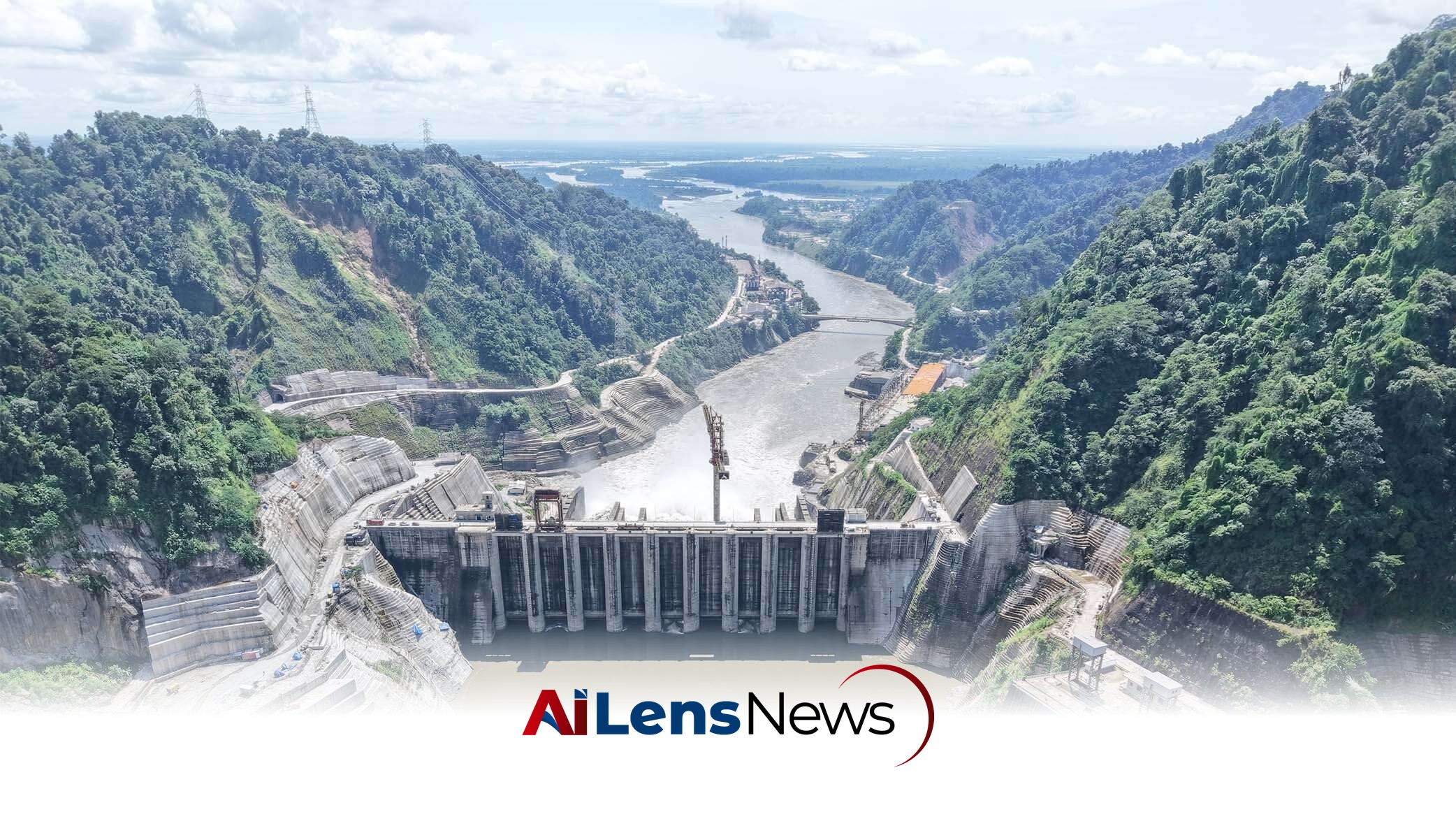


The Subansiri Lower Hydroelectric Project is on track for completion by March, featuring a flood cushion to manage excess water during monsoons.
Shillong, India Jul 12, 2026 ALN: The Subansiri Lower Hydroelectric Project (SLHEP) is a significant infrastructure initiative in India, poised to be completed by March next year. This project, which is located on the Subansiri River in the northeastern state of Assam, is designed not only to generate hydroelectric power but also to incorporate provisions for flood management through the implementation of a flood cushion.
The SLHEP is part of a broader strategy to harness the hydropower potential of the North-Eastern region of India, which is endowed with abundant river systems and rainfall. The project aims to contribute to the country's energy security while also addressing the challenges posed by seasonal flooding, a recurrent issue in many parts of Assam and the surrounding areas. The region's unique topography, characterized by hilly terrains and numerous rivers, makes it an ideal location for hydroelectric projects. However, it also presents challenges related to water management, particularly during the monsoon season when heavy rains can lead to significant flooding.
According to AN Mohammed, the project's technical consultant, four of the eight generating units are currently operational, marking a significant milestone in the project’s timeline. The commissioning of the fifth unit is expected in August, with the sixth unit anticipated to be operational within the next couple of months. This gradual ramp-up of operational capacity is crucial for meeting the energy demands of the region, particularly during peak usage hours. The SLHEP, once fully operational, is expected to generate approximately 2,000 megawatts of electricity, significantly contributing to the national grid and helping to alleviate power shortages in the region.
The reservoir associated with the SLHEP boasts a substantial storage capacity of 1,365 million cubic metres. A notable feature of this reservoir is its flood cushion, which is designed to manage excess water during the monsoon season. Mohammed highlighted that during this time, approximately 15 metres of storage will be kept vacant at the top of the reservoir, allowing it to absorb excess water generated by normal rainfall. This flood cushion is an essential component of the project, as it aims to mitigate the risk of flooding downstream, which has historically affected communities and agriculture in the region. The flood cushion not only serves to protect human settlements but also plays a vital role in preserving local ecosystems that could be disrupted by sudden changes in water levels.
In terms of hydrological management, Mohammed explained that the Subansiri River has a safe carrying capacity of around 7,000 cubic metres of water per second. The operational strategy for the SLHEP will involve carefully regulating water releases from the reservoir during the rainy season, taking into account this capacity to prevent downstream flooding. However, it is important to note that in the event of exceptionally heavy rainfall, which is statistically expected to occur roughly once every ten years, the project cannot be held accountable for flooding downstream. This highlights the challenges of managing water resources in the context of climate variability and extreme weather events, which have become increasingly common due to climate change. The unpredictability of weather patterns necessitates a robust and flexible management strategy that can adapt to varying conditions.
During the winter months, the dynamics of the reservoir will shift, as there is typically little rainfall during this period. The reservoir is expected to remain full, and in the lean season, many of the generating units will be shut down during the daytime to allow for water accumulation. This strategy is designed to maximize the efficiency of power generation during peak demand hours, specifically from 5 PM to 10 PM, when electricity usage tends to surge. The ability to store water during low-demand periods and release it during peak times is a critical aspect of hydroelectric power generation, ensuring that the energy produced aligns with consumption patterns.
In addressing concerns related to flooding in downstream areas, Mohammed provided insights into the operational challenges faced by other hydroelectric projects, such as the Ranganadi dam and the Kurichu dam in Bhutan. He noted that these projects have relatively small reservoirs, which fill up quickly during heavy rainfall, leading to water spilling over the dams and exacerbating flooding in downstream regions. This comparison underscores the importance of reservoir capacity and management in flood prevention strategies. The SLHEP, with its larger reservoir and flood cushion, aims to implement lessons learned from these other projects, seeking to optimize water management practices to minimize adverse impacts on downstream communities.
The implications of the SLHEP extend beyond energy generation and flood management; they also encompass socio-economic dimensions for the local communities. The project is expected to create job opportunities during its construction and operational phases, contributing to the local economy. Furthermore, the reliable supply of electricity from the project can facilitate industrial growth and improve the quality of life for residents by providing access to modern amenities. Increased access to electricity can lead to enhanced educational opportunities, improved healthcare services, and greater overall economic development in the region, which has historically lagged behind other parts of India in terms of infrastructure and development.
However, large-scale hydroelectric projects often face scrutiny and opposition from environmentalists and local communities concerned about ecological impacts and displacement issues. The Subansiri Lower Hydroelectric Project has been no exception, with various stakeholders raising concerns about the potential effects on local ecosystems, fisheries, and the livelihoods of those dependent on the river. The construction of the dam and reservoir can alter the natural flow of the river, impacting fish migration patterns and the health of aquatic ecosystems. It is crucial for project developers and government authorities to engage with these communities, addressing their concerns and ensuring that environmental safeguards are implemented. This includes conducting thorough environmental impact assessments and involving local stakeholders in the decision-making process to foster transparency and build trust.
In conclusion, the Subansiri Lower Hydroelectric Project represents a significant advancement in India's efforts to harness renewable energy while addressing the perennial issue of flooding in the region. As the project moves closer to completion, its success will depend on effective management practices, stakeholder engagement, and the ability to adapt to the challenges posed by climate change and extreme weather patterns. The integration of a flood cushion into the design of the project is a proactive measure that reflects a growing recognition of the need for sustainable water resource management in the face of increasing environmental uncertainties. The project stands as a testament to the potential of hydropower in contributing to a sustainable energy future, provided that it is implemented with careful consideration of ecological and social impacts.
To learn more about the latest developments in Renewable Energy, stay updated with our exclusive reports and analyses on AiLensNews.

