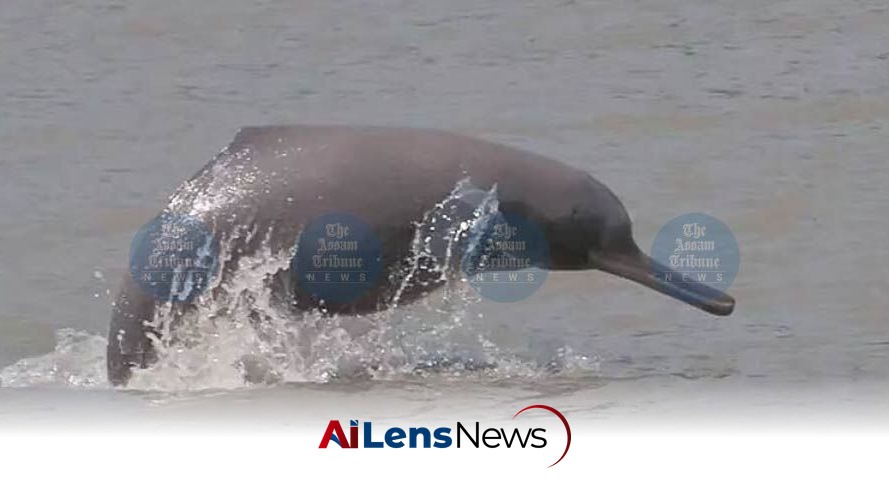


The National CAMPA has approved a conservation plan to protect the endangered Gangetic river dolphins, focusing on the Brahmaputra river system.
Imphal, India Jul 12, 2026 ALN: In a significant boost to India's freshwater biodiversity conservation efforts, the governing body of the National Compensatory Afforestation Fund Management and Planning Authority (CAMPA) has approved a study to prepare a conservation and recovery action plan for river dolphins. This initiative represents a critical step in the ongoing efforts to protect the Gangetic river dolphin, a species that plays a vital role in the ecological health of freshwater ecosystems.
The Gangetic river dolphin, scientifically known as Platanista gangetica, is classified as endangered by the International Union for Conservation of Nature (IUCN). This species is primarily found in the rivers of the Indian subcontinent, particularly in the Ganges and Brahmaputra river systems. The approval of the recovery plan is particularly pertinent given the increasing threats faced by these dolphins, which are largely attributed to human activities and environmental changes.
The proposal, cleared during the seventh meeting of the National CAMPA Governing Body chaired by Union Environment Minister Bhupender Yadav, forms part of a broader package of wildlife conservation initiatives. This package also includes Project Snow Leopard Phase II, a conservation action plan for the greater one-horned rhinoceros, a nationwide strategy for wild water buffalo conservation, and continued support for the protection of the Sangai deer. These initiatives collectively highlight the Indian government's commitment to preserving its rich biodiversity, particularly in regions that are home to a multitude of endangered species.
The decision to focus on the Gangetic river dolphin is particularly significant for Assam and the northeastern region of India, where the Brahmaputra and its tributaries support one of the country's largest remaining populations of these dolphins. Conservationists have long maintained that while legal protection for the species exists, the absence of an integrated, basin-level recovery strategy has limited efforts to reverse its population decline. The new recovery plan is expected to address these gaps and implement a more cohesive approach to conservation.
Experts involved in the conservation of aquatic ecosystems suggest that the proposed conservation and recovery plan will identify critical dolphin habitats, strengthen scientific population monitoring, recommend habitat restoration measures, and improve coordination among various agencies, including those responsible for forest management, fisheries, inland waterways, and pollution control. This multi-faceted approach aims to tackle the diverse challenges faced by the river dolphin population.
One of the primary threats to the Brahmaputra's dolphins is human-induced mortality, which is exacerbated by increasing pressure on their habitats. Rapid expansion of infrastructure along riverbanks, accidental entanglement in fishing nets, illegal fishing practices, sand and gravel mining, and increasing vessel traffic have all contributed to the fragmentation of their habitats. Additionally, riverbank erosion, shrinking dry-season flows, and pollution have affected breeding and feeding grounds, making the need for a recovery plan all the more urgent.
Climate change further complicates the conservation landscape, as it induces alterations in river flow patterns and sediment dynamics that can adversely affect dolphin habitats. As a result, the proposed recovery plan will likely incorporate strategies to mitigate the impacts of climate change on the river ecosystem.
Unlike marine dolphins, Gangetic river dolphins are almost blind and rely on sophisticated echolocation to navigate the often muddy waters of the Brahmaputra. This unique adaptation makes them particularly vulnerable to underwater noise generated by mechanized boats and dredging activities, which can interfere with their ability to locate prey and communicate effectively. Conservationists have emphasized the need to address these acoustic disturbances as part of the recovery strategy.
Assam has emerged as one of the most important strongholds for the species, with significant dolphin populations recorded in stretches of the Brahmaputra, Kulsi, Subansiri, and several other tributaries. The state has already established protected river stretches and has initiated Vikramshila-like dolphin conservation initiatives in selected habitats. However, experts believe that a nationally coordinated recovery framework backed by CAMPA resources could substantially improve long-term conservation outcomes for the Gangetic river dolphin.
The approval of the recovery plan also reflects a broader shift in CAMPA's priorities from conventional compensatory afforestation to landscape-based ecological restoration and species-specific conservation. This evolution in focus highlights a growing recognition of the interconnectedness of various ecological components and the importance of targeted conservation efforts.
During the meeting, the Governing Body also reviewed digital monitoring systems, geospatial surveillance mechanisms, and the expansion of afforestation programs, signaling a greater emphasis on technology-driven conservation. The integration of advanced monitoring techniques will likely enhance the effectiveness of conservation initiatives and provide valuable data for ongoing assessments of dolphin populations and their habitats.
For the Brahmaputra's endangered dolphins, the proposed recovery action plan offers an opportunity to translate scientific knowledge into coordinated field action. However, conservationists have pointed out that the plan's success will depend not only on government funding and monitoring but also on the active participation of fishing communities, local administrations, and river-dependent populations. Engaging these stakeholders is crucial for fostering a sense of ownership and responsibility towards the conservation of one of India's most charismatic and ecologically significant freshwater species.
In conclusion, the approval of the recovery plan for the Gangetic river dolphin in the Brahmaputra river system marks a pivotal moment in India's conservation efforts. By addressing the myriad challenges faced by this endangered species through a comprehensive and collaborative approach, there is hope for the future of the Gangetic river dolphin and the health of the aquatic ecosystems they inhabit. The success of this initiative will not only benefit the dolphins but will also contribute to the overall biodiversity and ecological integrity of the region, ensuring that future generations can enjoy the rich natural heritage of the Brahmaputra and its tributaries.
To learn more about the latest developments in Conservation, stay updated with our exclusive reports and analyses on AiLensNews.

