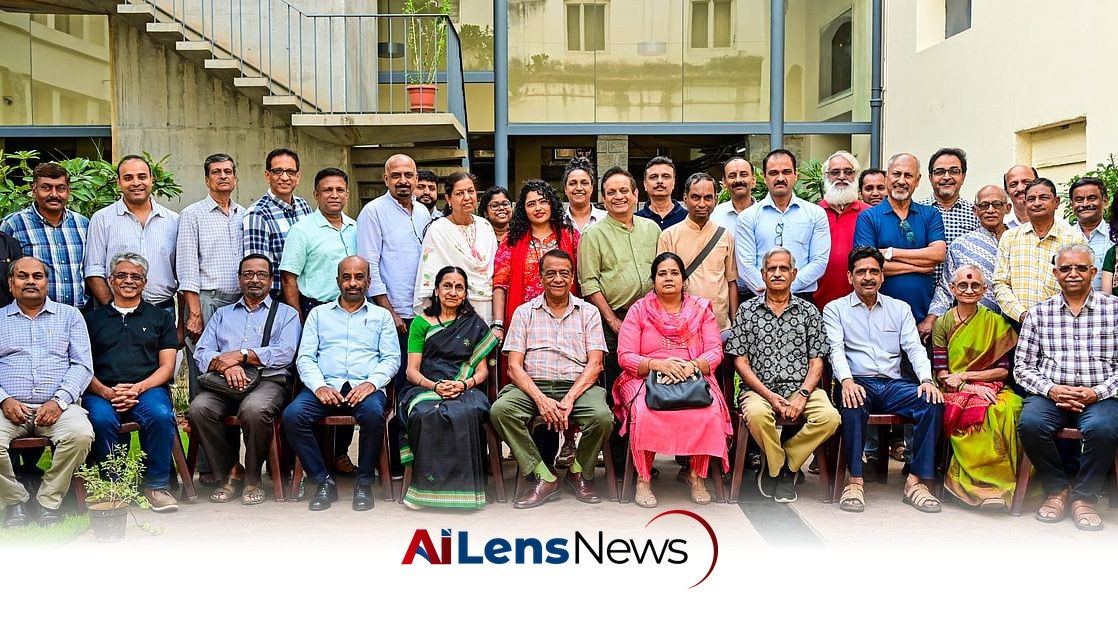


Residents’ welfare associations in Bengaluru are pushing for improved garbage collection and composting initiatives to tackle waste management challenges.
New Delhi, India Jul 12, 2026 ALN: Bengaluru: In a significant gathering on Saturday, residents’ welfare associations (RWAs) from across Bengaluru convened to advocate for improved waste management practices, particularly focusing on enhancing garbage collection and promoting source composting. This meeting was part of the second edition of the Citizen Connect initiative, which was organized by Deccan Herald and Prajavani. The initiative aims to bridge the gap between civic authorities and residents, fostering a collaborative approach to address urban challenges.
The discussion was attended by representatives from various RWAs, who shared their experiences and proposed practical solutions to tackle the persistent issue of garbage blackspots in the city. The participants emphasized the need for a more systematic approach to waste management that not only addresses collection but also encourages residents to take responsibility for their waste.
Among the key suggestions made during the meeting, Amith Nigli and Vinod Jacob proposed the introduction of a ward-ranking system. This system would create a framework for healthy competition among residents and civic officials, motivating them to maintain cleanliness in their neighborhoods. The idea is to foster a sense of community ownership and pride, which could lead to more proactive engagement in waste management practices.
Nigli also proposed the development of an online dashboard that would feature a public feedback mechanism. This would allow residents to monitor cleanliness levels and civic performance in real-time, thereby increasing transparency in waste management operations. By leveraging technology, the initiative aims to empower citizens, enabling them to voice their concerns and suggestions directly to the authorities.
Raja Shanmugam of the Cooke Town Residents Association shared a compelling success story from his locality. He recounted how citizen monitoring played a pivotal role in improving garbage collection in his neighborhood. “When our neighborhood was plagued by garbage blackspots, one member of the association began visiting the auto-tipper attendance point at 5:30 am every day. Once attendance started being monitored, the number of vehicles operating in the area rose from five or six to about 11 or 12. Garbage collection improved significantly, and the blackspots disappeared,” he said. This anecdote underscores the potential impact of community involvement in enhancing civic services.
Rajesh from Malleswaram echoed this sentiment, sharing a similar experience. He noted that Sampige Road, which was once strewn with garbage, saw a turnaround after residents raised their concerns with the civic body. In response, the authorities increased the frequency of waste-collection trips at different hours of the day, effectively mitigating the issue of garbage piling up. Alexander James, another resident, noted that similar community-driven initiatives had yielded positive results in his locality, highlighting the importance of active citizen participation in urban governance.
However, residents from the city’s outskirts reported that the waste management problem is particularly severe in rapidly growing peripheral areas. Vinod V Joshi from Huskur Main Road expressed his frustration with irregular garbage collection in panchayat areas, which are experiencing a surge in apartment construction. HR Sreenivasa Rao of Thanisandra shared similar concerns, indicating that civic resources and funding were not being distributed equitably across the expanding city. This disparity in service provision raises questions about the adequacy of urban planning and resource allocation in response to the city’s rapid growth.
Subhash Shetty of Nagasandra highlighted another critical issue: uncollected garbage not only creates blackspots but also clogs stormwater drains, leading to flooding and environmental degradation. He pointed out that these problems eventually culminate in pollution of local lakes, exacerbating the city’s ecological challenges. V Shisharjan, Chief Executive Officer of Path Watch, emphasized the fragmented nature of waste management responsibilities across multiple agencies. He noted that while auto tippers are responsible for collecting municipal solid waste, other types of waste, such as leaves and construction debris, are managed by different entities. This lack of coordination can lead to inefficiencies and gaps in service delivery.
Christopher Cruz raised concerns about zoning violations, which he argued have further aggravated the waste management problem. He explained that many residential properties now house multiple dwelling units or commercial establishments in violation of planning norms. As a result, auto tippers often fill up after visiting only a few buildings, leading to a mismatch between waste generation and collection capacity. Cruz’s insights point to the need for stricter enforcement of zoning regulations to ensure that waste management systems can keep pace with the city’s evolving landscape.
In light of these challenges, Poornima Shetty insisted that civic bodies must become active partners in the initiative. She stressed the importance of collaboration between residents and authorities to develop effective waste management strategies. Prakash DR of Osborne Road suggested that the civic body should provide standardized garbage drums or bins to households, thereby facilitating better waste segregation at the source. This suggestion was echoed by Vijayalakshmi of Rustam Bagh, who noted that many apartment complexes already utilize drums for waste disposal. She proposed that the civic body collaborate with manufacturers to develop standardized three-bin systems, which would improve segregation and ensure that recyclable materials are properly processed.
The implications of these discussions are significant for Bengaluru’s waste management landscape. As the city continues to grow, the challenges associated with waste management are likely to intensify. The collaborative approach advocated by RWAs and civic authorities could serve as a model for other urban centers facing similar issues. By fostering a culture of accountability and transparency, Bengaluru can work towards a more sustainable and efficient waste management system that benefits all residents.
In conclusion, the call for enhanced waste solutions and source composting by Bengaluru’s RWAs reflects a broader movement towards community engagement in urban governance. As residents take an active role in monitoring and advocating for better services, the potential for meaningful change in waste management practices becomes increasingly attainable. With the right support and collaboration from civic authorities, Bengaluru can pave the way for a cleaner, greener future.
To learn more about the latest developments in Pollution & Waste, stay updated with our exclusive reports and analyses on AiLensNews.

