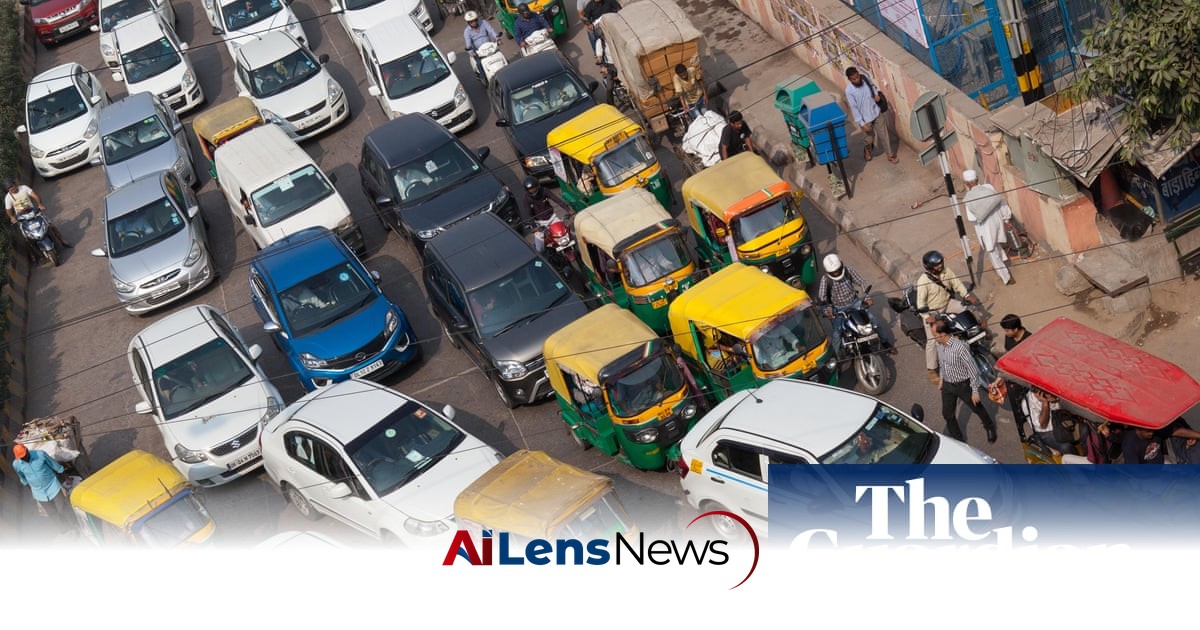


Delhi's government aims to replace petrol vehicles with electric ones to combat air pollution, targeting 30% electrification of its fleet by 2030.
New Delhi, India Jul 1, 2026 ALN: The chaotic streets of Delhi, filled with rickshaws and scooters, are set to undergo a significant transformation as the city’s government announces plans to ban petrol-powered vehicles. This initiative aims to combat the alarming levels of air pollution that have plagued the capital for years.
On Monday, the Delhi government revealed its ambitious strategy to phase out petrol scooters, motorbikes, and autorickshaws in favor of electric alternatives. The goal is to reduce the dangerously high pollution levels in the city by the end of the decade.
The new policy will gradually eliminate the registration of new petrol and gas-powered scooters, trucks, and buses over the next two years. alists have hailed this move as a potential “gamechanger” in the fight against toxic emissions.
Transport has been identified as one of the primary contributors to Delhi’s air pollution, which consistently reaches levels hazardous to human health. This pollution crisis is linked to tens of thousands of premature deaths each year.
Scooters and rickshaws, which predominantly run on petrol and compressed fossil gas, make up over two-thirds of the millions of vehicles on Delhi's roads. Under the new regulations, the city will only issue new license plates for electric small trucks and three-wheelers, known as e-rickshaws, starting in 2027, followed by e-scooters and electric motorbikes in 2028.
The Delhi government aims for at least 30% of the capital's vehicle fleet to be electric by 2030. In a statement, the government emphasized that the policy focuses on pure electric vehicles (EVs), which provide significant al benefits as zero-emission vehicles.
Amit Bhatt, managing director of the International Council on Clean Transportation, remarked, “The proposed phaseout of two- and three-wheelers could be a gamechanger in Delhi’s fight against air pollution.” He highlighted that transitioning to zero-emission vehicles can drastically reduce vehicular emissions, improve public health, and facilitate a broader shift towards sustainable transport.
Despite the optimism surrounding the policy, the Delhi government, led by the Bharatiya Janata Party, has faced criticism for its previous inaction regarding pollution levels. Protests erupted last winter as citizens demanded more effective measures to address the air quality crisis.
According to government data, vehicle emissions account for approximately 23% of air pollutants, making it the largest single source of emissions, particularly during winter months when smog envelops the city.
While e-rickshaws have gained popularity in recent years, the lack of charging infrastructure has deterred many drivers from making the switch. The new policy includes a commitment to establish over 30,000 public charging points across Delhi to facilitate this transition.
Vikas Nimesh, an assistant professor at the School of Public Policy at IIT Delhi, echoed the sentiment of a “gamechanger.” He noted that the availability of affordable electric vehicles is rapidly increasing, with Delhi being the largest market in India. Nimesh expressed hope that the policy would encourage manufacturers to invest in green technology and develop more electric vehicle models.
However, many auto-rickshaw drivers remain unaware of the policy changes. Rajesh Gopi, a 37-year-old rickshaw driver, expressed skepticism about the feasibility of transitioning to electric vehicles within two years. He raised concerns about the potential loss of income due to the charging requirements of e-rickshaws.
“I have heard that the e-rickshaws need charging a lot and can’t travel as far as we can on gas,” Gopi stated. “If I have to wait one or two hours every day for charging, that’s lost income for me that I can’t afford.”
Despite his reservations, Gopi acknowledged the severe pollution problem in Delhi. “I am not against change and making the air clean, but I hope we are not the ones to pay the price,” he added.
The policy also introduces significant tax exemptions for individuals purchasing new electric vehicles, aiming to incentivize the switch to cleaner options. However, critics argue that two years is an insufficient timeframe to phase out petrol vehicles while ensuring adequate consumer choice.
Some experts suggest that the policy should extend beyond private vehicles to include improvements in public transportation. Bhavreen Kandhari, an alist, emphasized the need for a comprehensive approach to tackle traffic congestion and pollution.
“More cars on the road is not a solution,” Kandhari stated. “To reduce traffic jams and dust in the city, the government should focus on enhancing public transport and last-mile connectivity with green solutions. This EV policy falls short on that aspect.”
In conclusion, while Delhi's initiative to ban petrol rickshaws and scooters marks a significant step towards reducing air pollution, the success of this policy will depend on effective implementation, infrastructure development, and addressing the concerns of the affected communities.
To learn more about the latest developments in Pollution & Waste, stay updated with our exclusive reports and analyses on AiLensNews.

